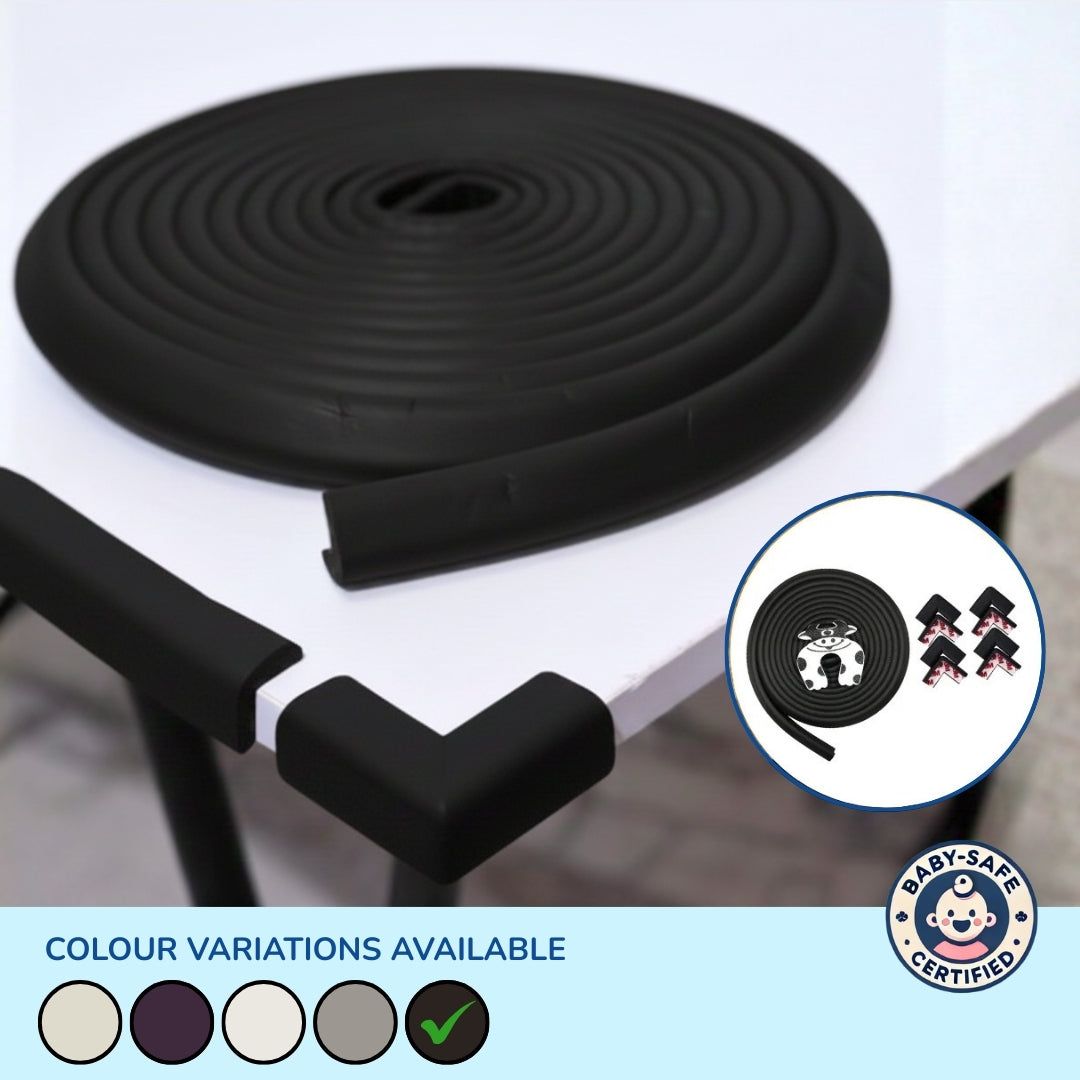
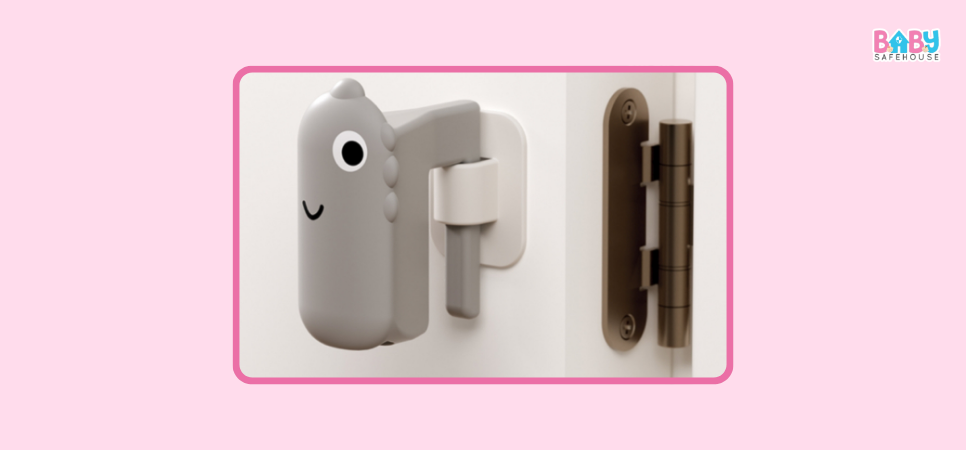
Creating a safe home for a toddler is one of the most important responsibilities for parents. However, many families unknowingly make baby proofing mistakes that leave hidden dangers around the house. Babies are naturally curious, and once they start crawling or walking, everyday household items can quickly become safety hazards. From unsecured furniture to overlooked electrical outlets, small oversights can lead to accidents. Understanding the most common baby proofing mistakes helps parents create a safer home while still allowing children to explore safely.
Why Baby Proofing Requires More Than Basic Safety Measures
Many parents assume installing a few safety gates and cabinet locks is enough. In reality, effective baby proofing requires a broader safety approach.
Children develop new abilities quickly. A drawer that seemed out of reach last month might suddenly become accessible. Because of this rapid development, some baby proofing mistakes happen when parents underestimate how fast toddlers learn to climb and open things.
1. Waiting Too Long to Start Baby Proofing
One of the most common baby proofing mistakes is beginning only after the baby starts walking.
Babies typically begin crawling between six and nine months, which is when exploration begins.
How to avoid it:
-
Start baby proofing when the baby begins rolling or crawling
-
Install gates and locks early
-
Check floor-level hazards throughout the house
Early preparation helps reduce unexpected accidents.
2. Ignoring Furniture Tip-Over Risks
Heavy furniture such as bookshelves, dressers, and televisions can tip over if a toddler attempts to climb them.
How to avoid it:
-
Anchor heavy furniture to the wall
-
Secure televisions with anti-tip straps
-
Avoid placing climbable objects near shelves
Preventing tip-over hazards helps avoid baby proofing mistakes.
3. Leaving Electrical Outlets Uncovered
Electrical outlets attract toddlers because they are easily reachable.
How to avoid it:
-
Install outlet covers or sliding protectors
-
Use tamper-resistant outlets where possible
-
Keep electrical cords organized and away from children
These steps reduce electrical risks.
4. Overlooking Kitchen Hazards
The kitchen contains dangers such as sharp tools, hot surfaces, and cleaning products.
How to avoid it:
Proper kitchen safety prevents baby proofing mistakes.
5. Forgetting About Window Safety
Windows are often overlooked during baby proofing. Toddlers may climb furniture placed near them.
How to avoid it:
-
Install window guards or stops
-
Move furniture away from windows
-
Keep blind cords out of reach
Window protection helps avoid dangerous baby proofing mistakes.
6. Using Unsafe Baby Gates
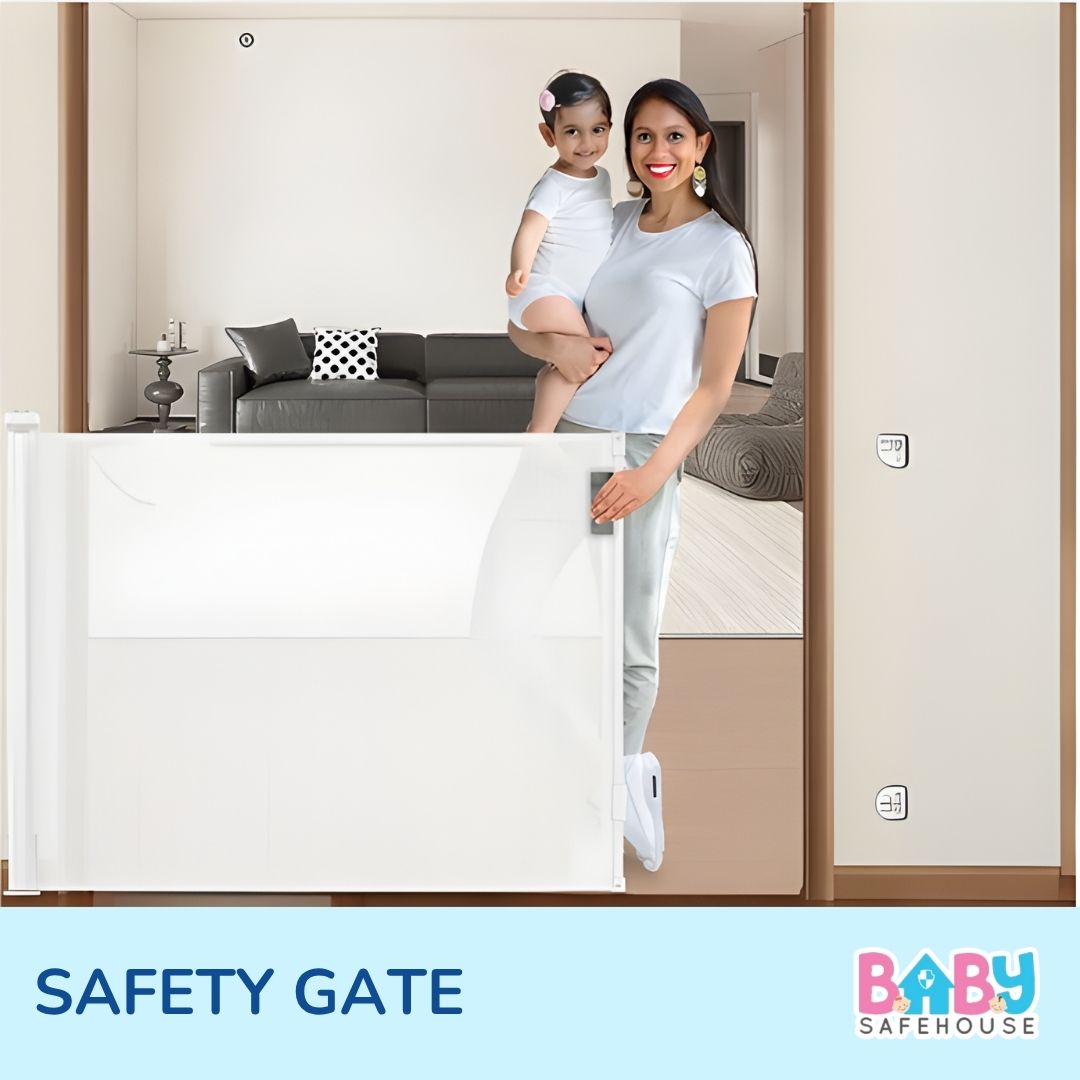
Not every baby gate works for every location. Pressure-mounted gates may not be safe at the top of stairs.
How to avoid it:
-
Use hardware-mounted gates for staircases
-
Ensure gates are tightly secured
-
Check gate stability regularly
7. Leaving Small Objects Within Reach
Toddlers explore by putting objects in their mouths. Small items can quickly become choking hazards.
How to avoid it:
-
Keep coins, batteries, and buttons out of reach
-
Check floors regularly for small objects
-
Store toys with small parts carefully
Reducing choking hazards prevents baby proofing mistakes.
8. Ignoring Bathroom Safety
Bathrooms contain water, medications, and slippery surfaces.
How to avoid it:
9. Not Securing Cleaning Products
Cleaning chemicals can be dangerous if swallowed.
How to avoid it:
-
Use cabinet locks under sinks
-
Store chemicals on high shelves
-
Choose child-safe containers where possible
These precautions help families avoid baby proofing mistakes.
10. Forgetting Door Safety
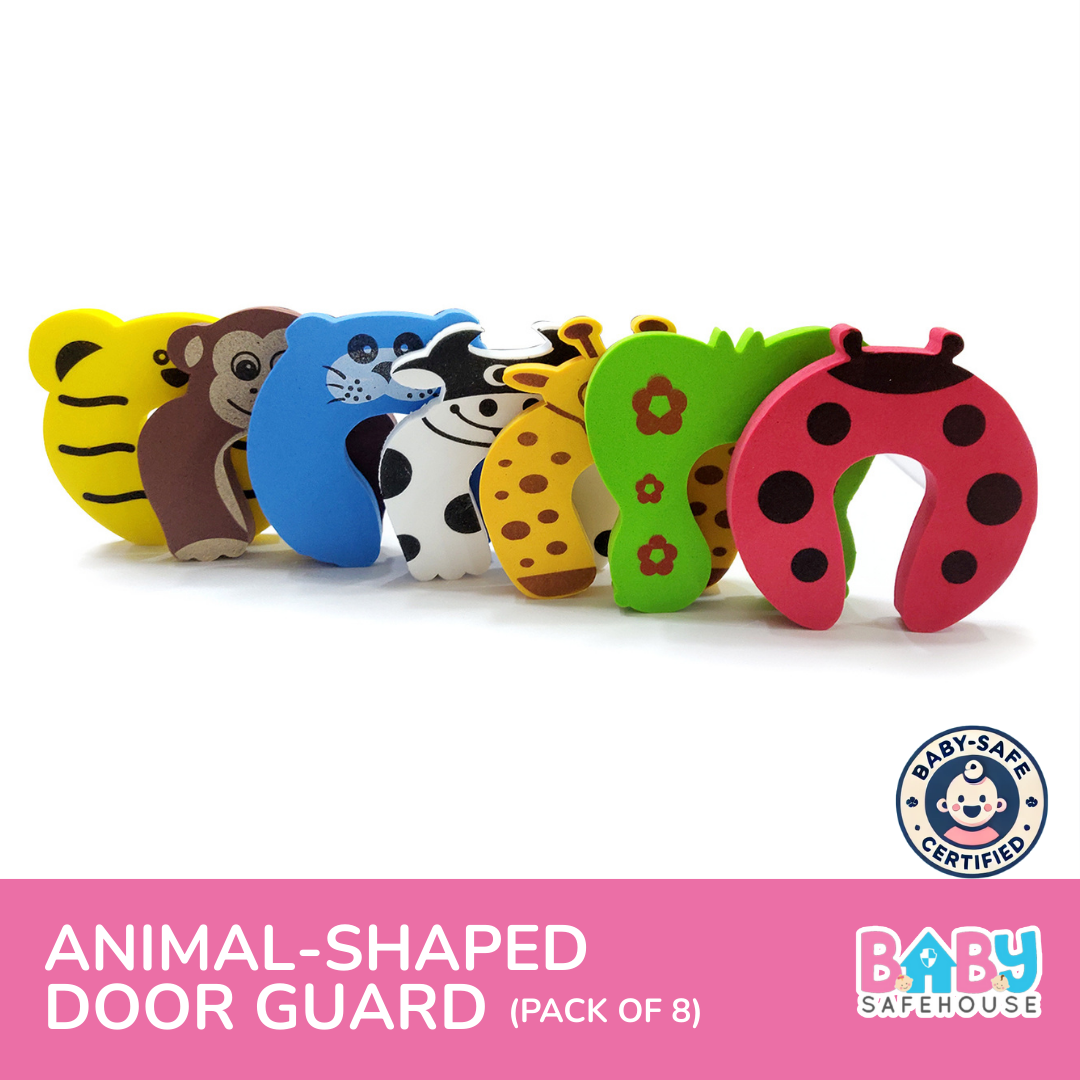
Doors can easily cause finger injuries for toddlers.
How to avoid it:
11. Not Checking Floor-Level Hazards
Toddlers spend most of their time close to the floor, making ground-level hazards important.
How to avoid it:
12. Overlooking Balcony and Staircase Risks
Open railings and stairs can become serious hazards.
How to avoid it:
-
Install safety rail guards
-
Use stair gates at both ends
-
Supervise children near balconies
13. Assuming Supervision Alone Is Enough
Many parents believe supervision alone will prevent accidents. However, incidents can happen quickly.
How to avoid it:
Ignoring safety equipment can lead to baby proofing mistakes.
14. Not Updating Safety Measures as the Child Grows
Baby proofing is not a one-time task. As toddlers grow, they gain new abilities such as climbing or opening doors.
How to avoid it:
-
Reassess safety every few months
-
Upgrade locks and gates when needed
-
Observe how children interact with their surroundings
15. Ignoring Professional Baby Proofing Advice
Some families rely only on guesswork rather than expert guidance.
How to avoid it:
-
Follow recommended safety standards
-
Research reliable baby safety solutions
-
Seek professional advice when necessary
Expert guidance helps reduce baby proofing mistakes.
Frequently Asked Questions
When should parents start baby proofing their home?
Parents should begin baby proofing before the baby starts crawling, usually around six months of age.
Which areas require the most baby proofing?
Kitchens, bathrooms, stairs, and living rooms usually need the most attention because they contain appliances and furniture.
Are baby proofing products necessary?
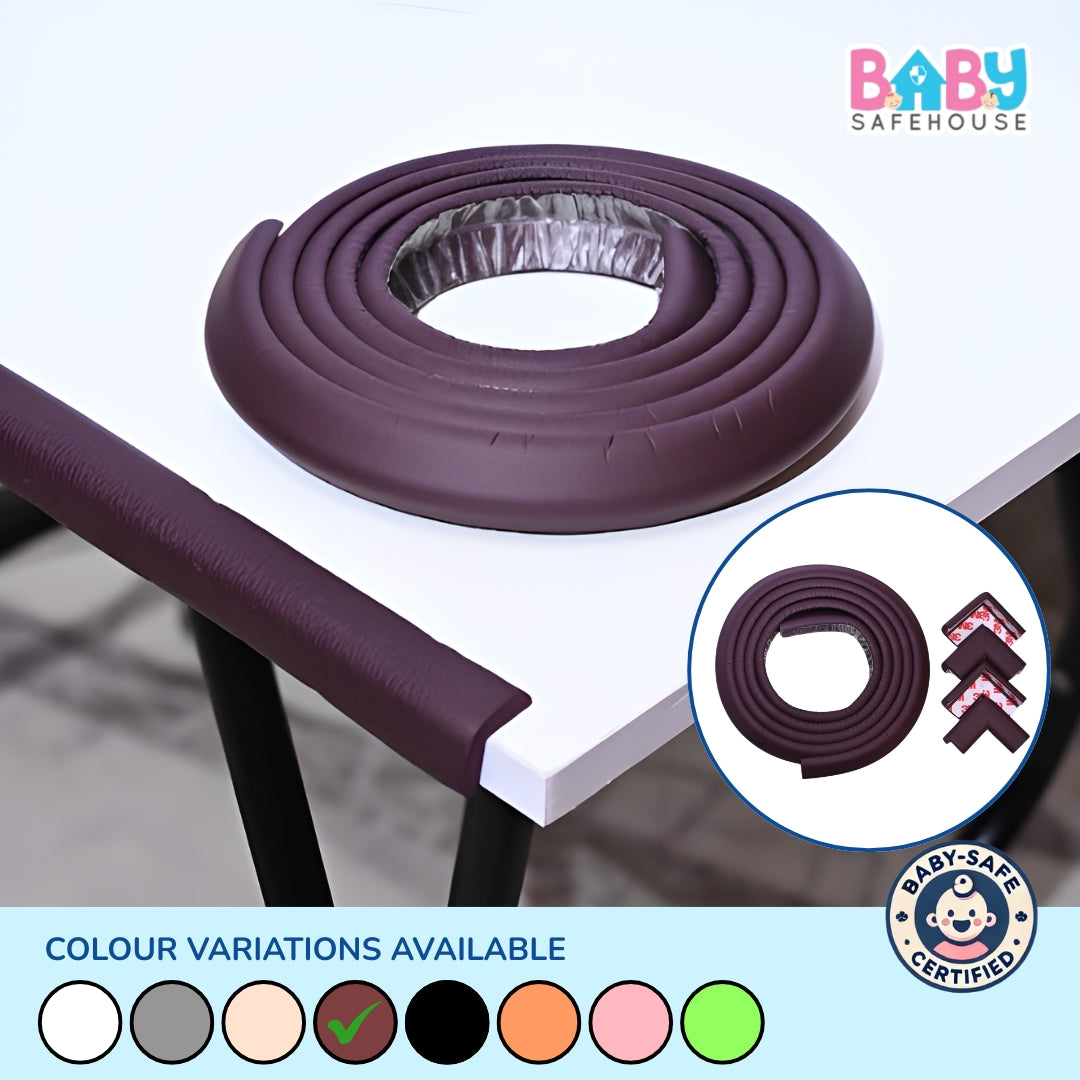
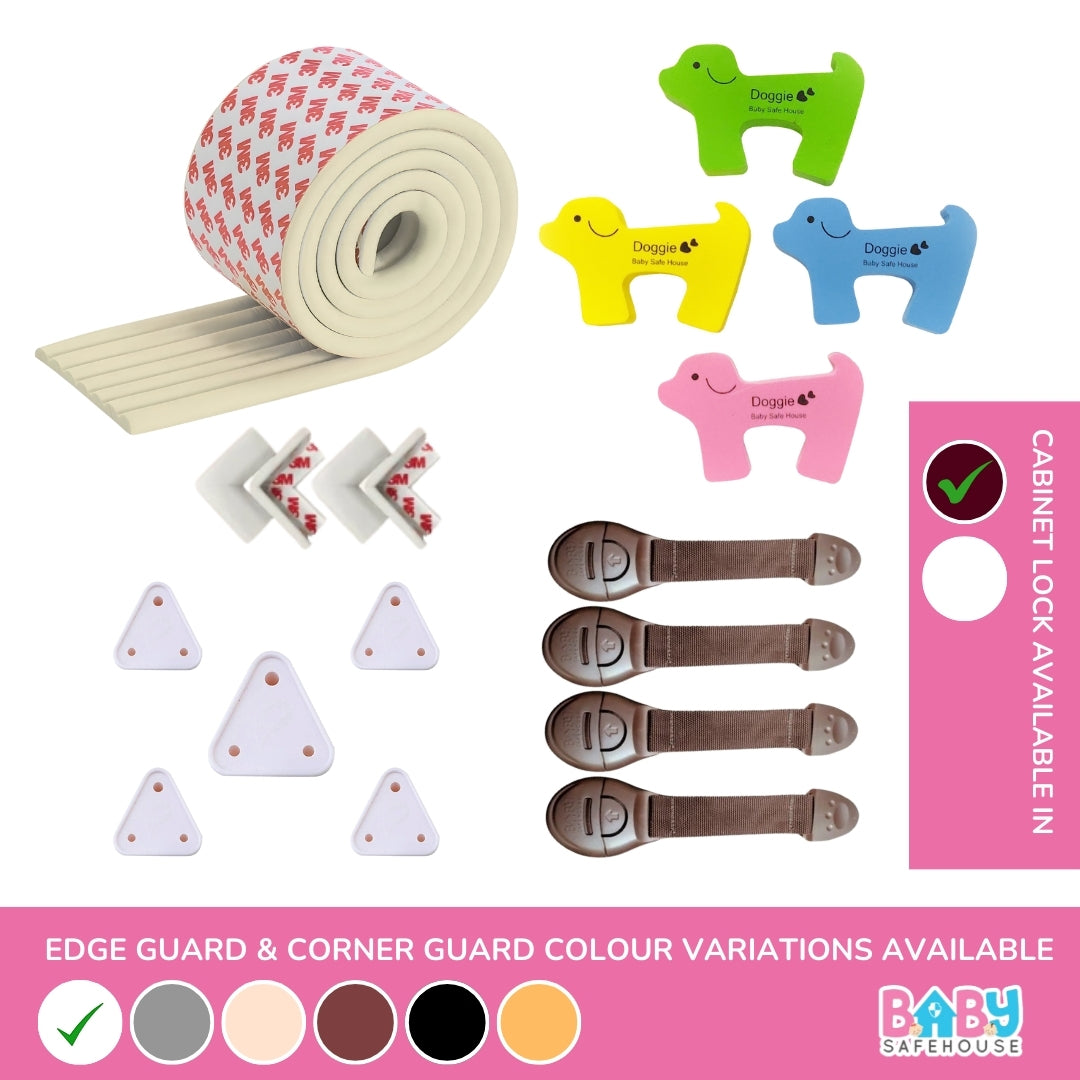
Yes. Safety tools such as cabinet locks, outlet covers, and safety gates reduce risks and provide additional protection.
How often should baby proofing be reviewed?
Parents should review safety measures every few months as children grow.
Conclusion
Creating a safe home environment requires awareness and planning. Many accidents occur because of small oversights. By recognizing common baby proofing mistakes, parents can identify risks early and take preventive steps. Securing furniture, covering outlets, and installing safety locks can significantly reduce household dangers.
Families looking for trusted child safety solutions can explore expert guidance and reliable products from BabySafeHouse, helping create homes where children can explore safely while parents enjoy greater peace of mind.