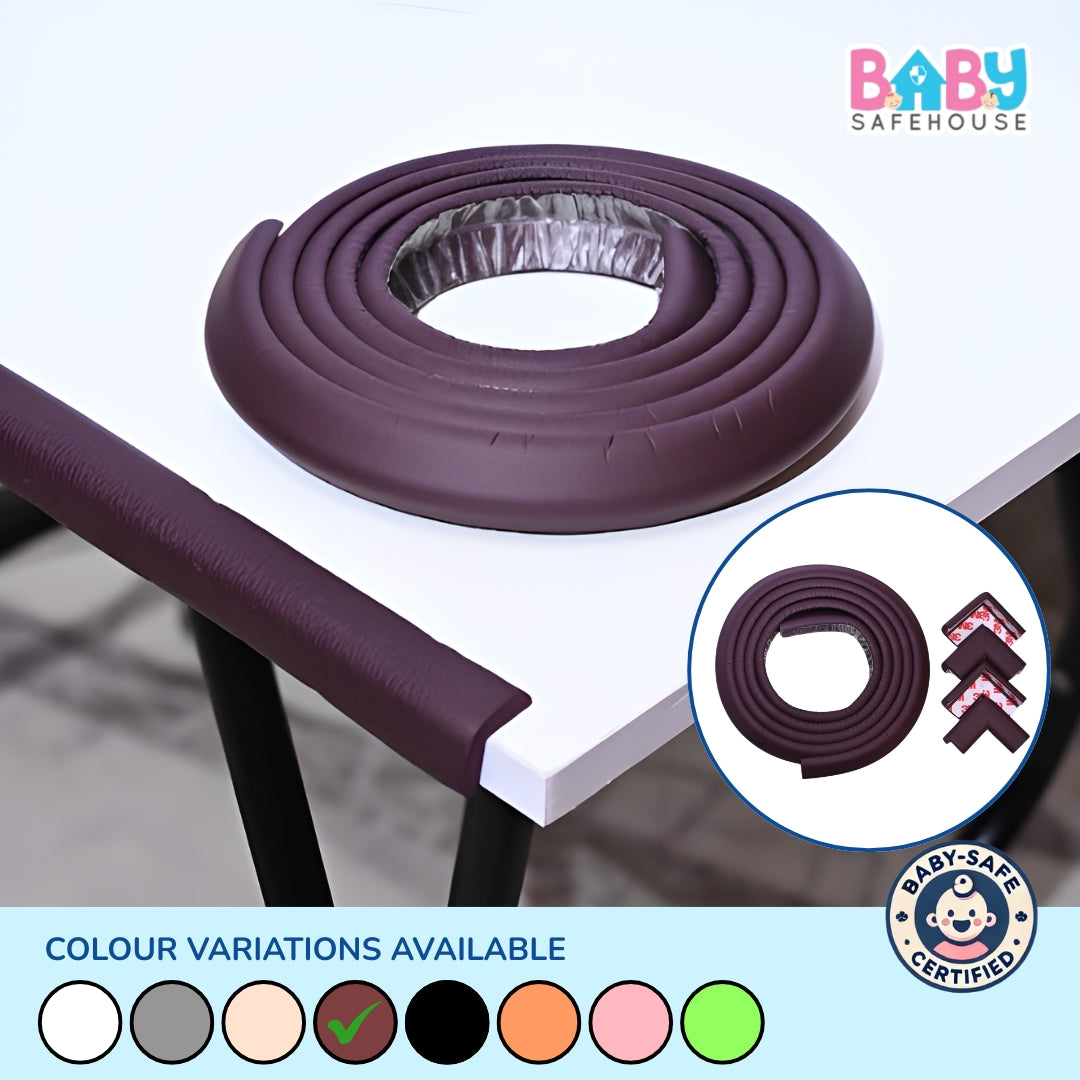
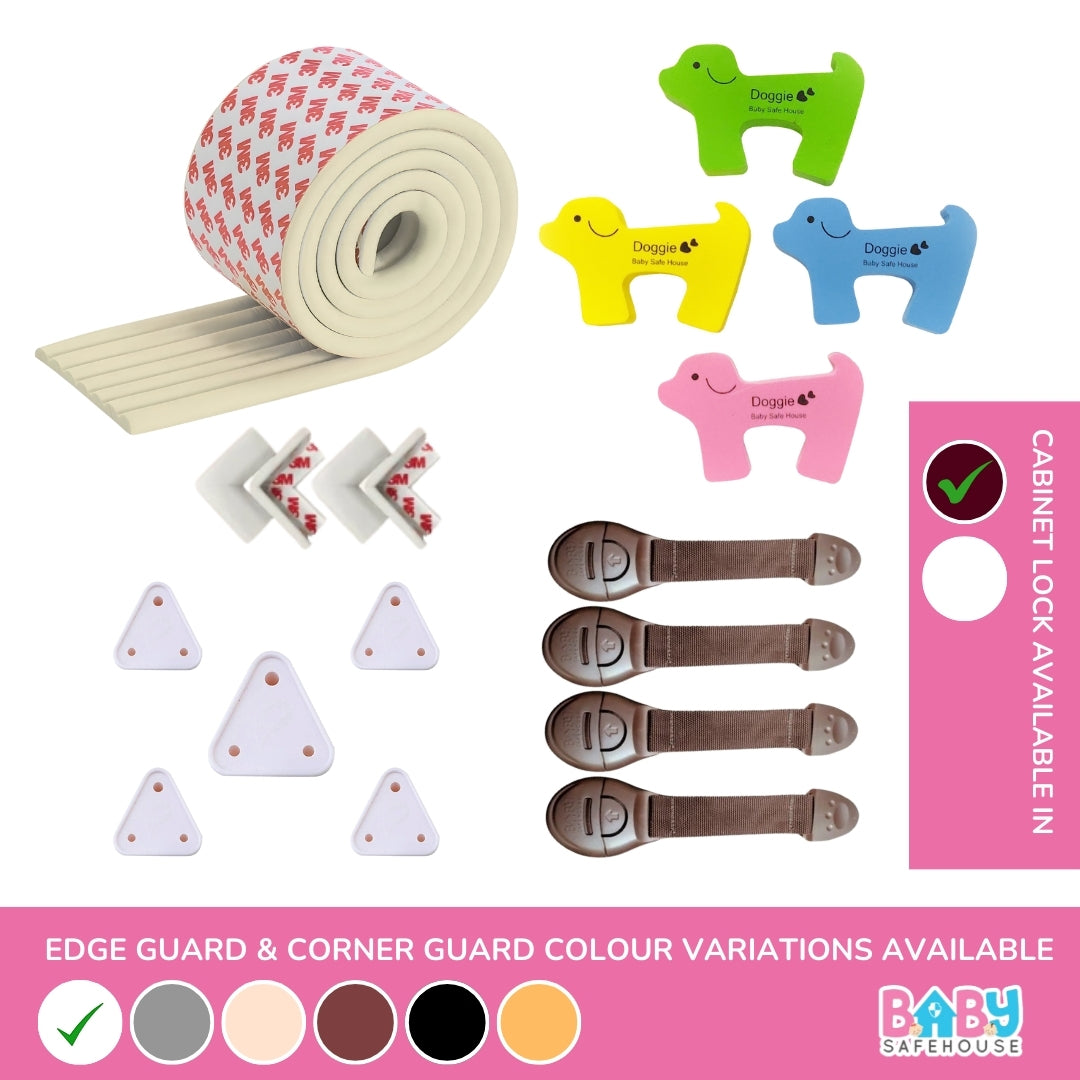
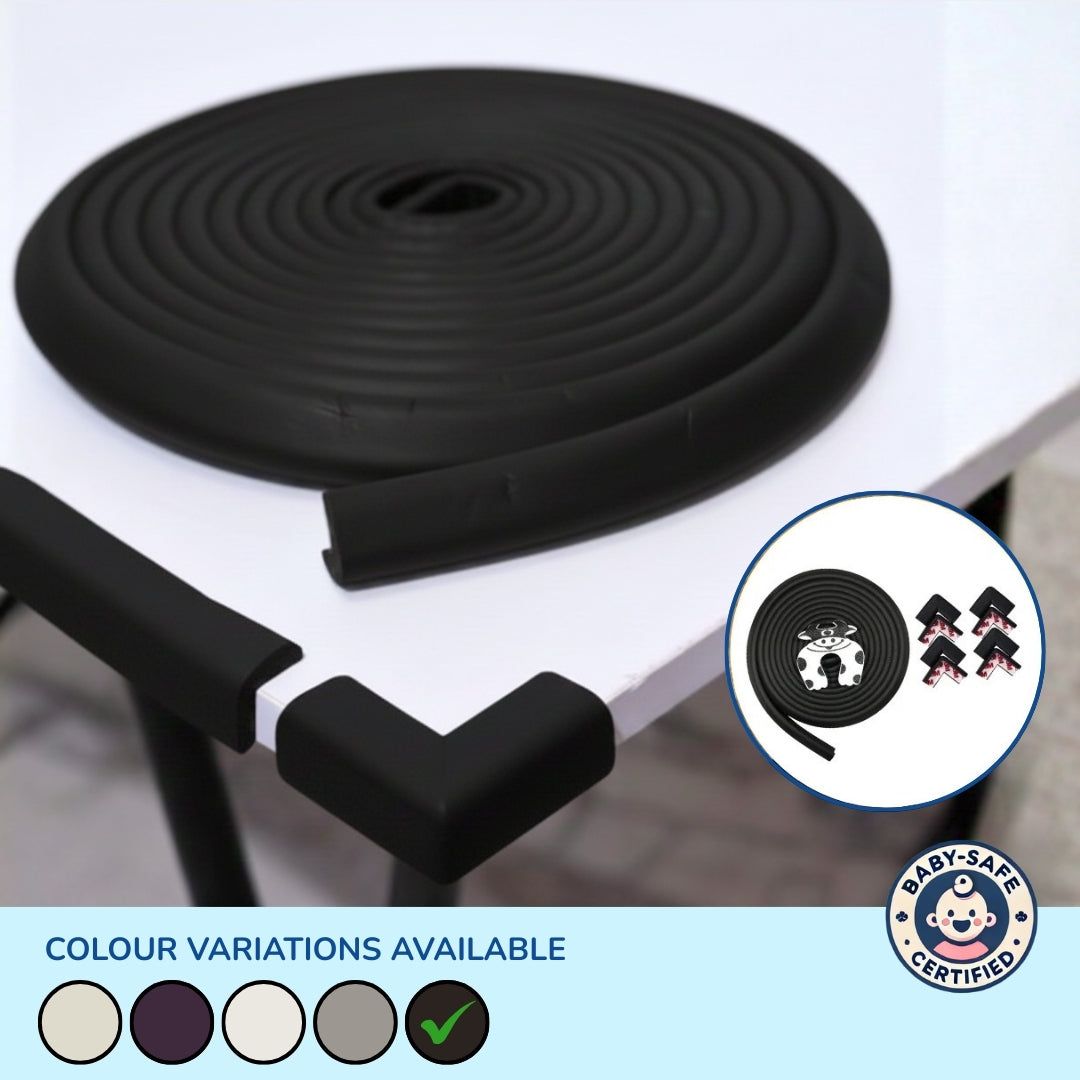
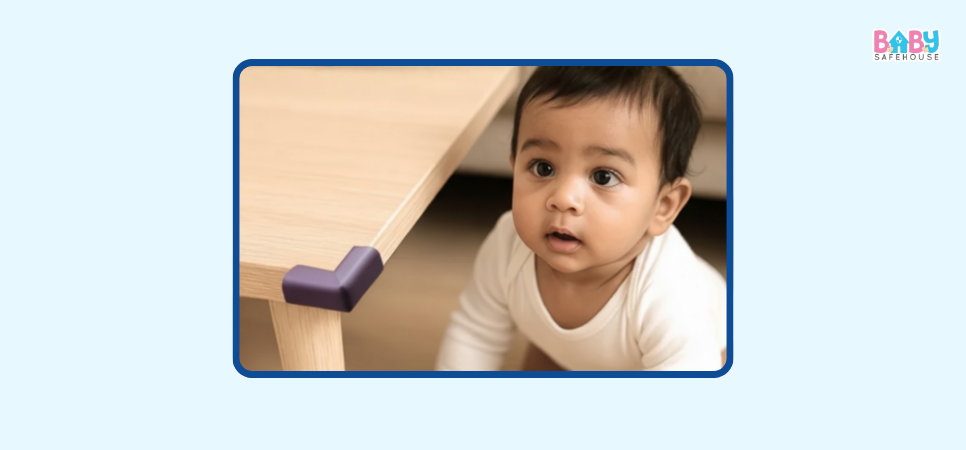
Keeping a home safe for a growing child requires attention to small but important details. One common hazard parents often overlook is sharp furniture edges. A corner protector for babies helps soften these edges and reduces the chances of injuries when babies begin crawling, standing, and exploring. Since infants are curious and still developing balance, hard corners around the house can quickly become dangerous.
Installing a corner protector for babies is a simple way to improve safety without changing your home setup. From tables to cabinets, many everyday objects have corners positioned exactly at a baby’s head height. Knowing where protection is needed most helps parents create a safer living environment.
Why Sharp Corners Are a Common Safety Risk for Babies
Babies explore their surroundings by crawling, pulling themselves up, and eventually walking. During this stage, they often bump into furniture. Because babies cannot judge distance well, they frequently lose balance.
Sharp corners can lead to:
-
Head bumps when babies fall while standing
-
Facial cuts from hard edges
-
Bruises when crawling into low corners
Using a corner protector for the baby helps cushion these edges and reduces the impact if a baby bumps into them.
Coffee Tables and Center Tables
Coffee tables are one of the most common sources of injuries for toddlers. These tables are usually placed in the center of the living room and have edges directly at a baby’s head level.
Babies often crawl toward these tables because toys or remote controls are placed on them. When they try to stand using the table for support, they can easily hit the corner.
Installing a corner protector for baby on coffee tables reduces this risk.
Key reasons to protect coffee table corners:
-
Located in high-traffic areas
-
Positioned at toddler head height
-
Babies often pull themselves up using them
Soft corner protectors absorb impact and make the living room safer.
TV Units and Entertainment Consoles
Television stands and entertainment units usually have several sharp edges. Since these units hold electronics and decorative items, they attract curious babies.
A corner protector for baby is important here because toddlers often crawl toward screens or buttons. When they reach the unit, they may lose balance and hit the corners.
Important spots to secure include:
Adding protectors to these areas can prevent painful bumps.
Dining Tables and Chair Corners
Dining areas contain multiple sharp edges. Tables, chairs, and benches all have corners that babies may hit when crawling or walking.
Dining chairs can be risky because babies sometimes hold onto them while trying to stand. If they slip, the corner of the chair can cause injury.
Using a corner protector for baby on these surfaces helps make the dining area safer.
Areas to focus on:
-
Dining table corners
-
Chair backs and armrests
-
Bench seating edges
Bed Frames and Bedroom Furniture
Bedrooms also contain furniture with exposed edges. Bed frames, bedside tables, and wardrobes often have corners within reach of toddlers.
Babies who crawl into bedrooms may attempt to climb onto furniture, increasing the chance of hitting corners.
Common areas that need a corner protector for baby include:
-
Bed frame corners
-
Bedside tables
-
Dressing tables
Adding protectors helps create a safer sleeping and play environment.
Kitchen Cabinets and Counter Edges
Kitchens contain some of the hardest surfaces in a home. Cabinets and counters often have strong wooden or granite edges that can cause injuries if babies bump into them.
Although babies should be supervised in the kitchen, accidents can still happen quickly. Installing a corner protector for baby on lower cabinet edges can reduce risk.
Important areas to secure include:
Study Tables and Work Desks
Work desks or study tables often have pointed corners and are placed near walkways. When babies begin walking, they may bump into these desks while exploring.
A corner protector for baby can make these spaces safer without affecting usability.
Protect desk corners especially if:
Frequently Asked Questions
Do corner protectors prevent injuries?
A corner protector for baby softens hard edges and reduces the severity of bumps. While it cannot eliminate all risks, it helps lower the chances of injuries.
At what age should corner protectors be installed?
Parents usually install a corner protector for baby once the baby starts crawling, usually between six and nine months.
Can corner protectors damage furniture?
Most modern protectors use adhesives designed to avoid damaging furniture when removed carefully.
Conclusion
Creating a safer home for babies involves identifying everyday hazards like sharp furniture edges. Tables, cabinets, desks, and bed frames can all become risky during the early stages of crawling and walking. Installing a corner protector for baby helps cushion these edges and reduces the chances of accidental bumps.
By protecting common areas such as living rooms, dining spaces, bedrooms, and kitchens, parents can make their homes more child-friendly. Simple safety additions like corner guards play an important role in preventing minor injuries as babies explore their surroundings.
For families looking for reliable childproofing solutions, products from BabySafeHouse can help make homes safer while keeping furniture functional and visually appealing.