Most homes aren’t unsafe; they're just not designed at a child’s height.
What looks harmless from an adult’s perspective like a loose cabinet, an open socket, or a slightly raised edge can become a real risk when viewed from 2 feet above the ground. This shift in perspective is exactly why baby safety products for home are no longer seen as optional purchases. They are practical tools that adapt living spaces to match a child’s world, not the other way around.
Instead of constantly saying “no” or restricting movement, parents today are choosing to redesign spaces where children can move freely without turning everyday exploration into a hazard.
The Real Risk Lies in Ordinary Spaces
The biggest misconception is that danger comes from “extreme” situations. In reality, most household injuries happen during routine, predictable moments.
Think about it:
-
A drawer pulled too fast
-
A corner hit during a quick turn
-
A cabinet opened out of curiosity
-
A slippery bathroom floor
These are not rare events; they are part of daily life. And that’s exactly where baby safety products for home make the biggest difference: they reduce risk without disrupting routine.
How Baby Safety Products for Home Work Silently
The best safety solutions don’t demand attention. They blend into the home while preventing accidents before they happen.
Impact Protection Without Changing Furniture
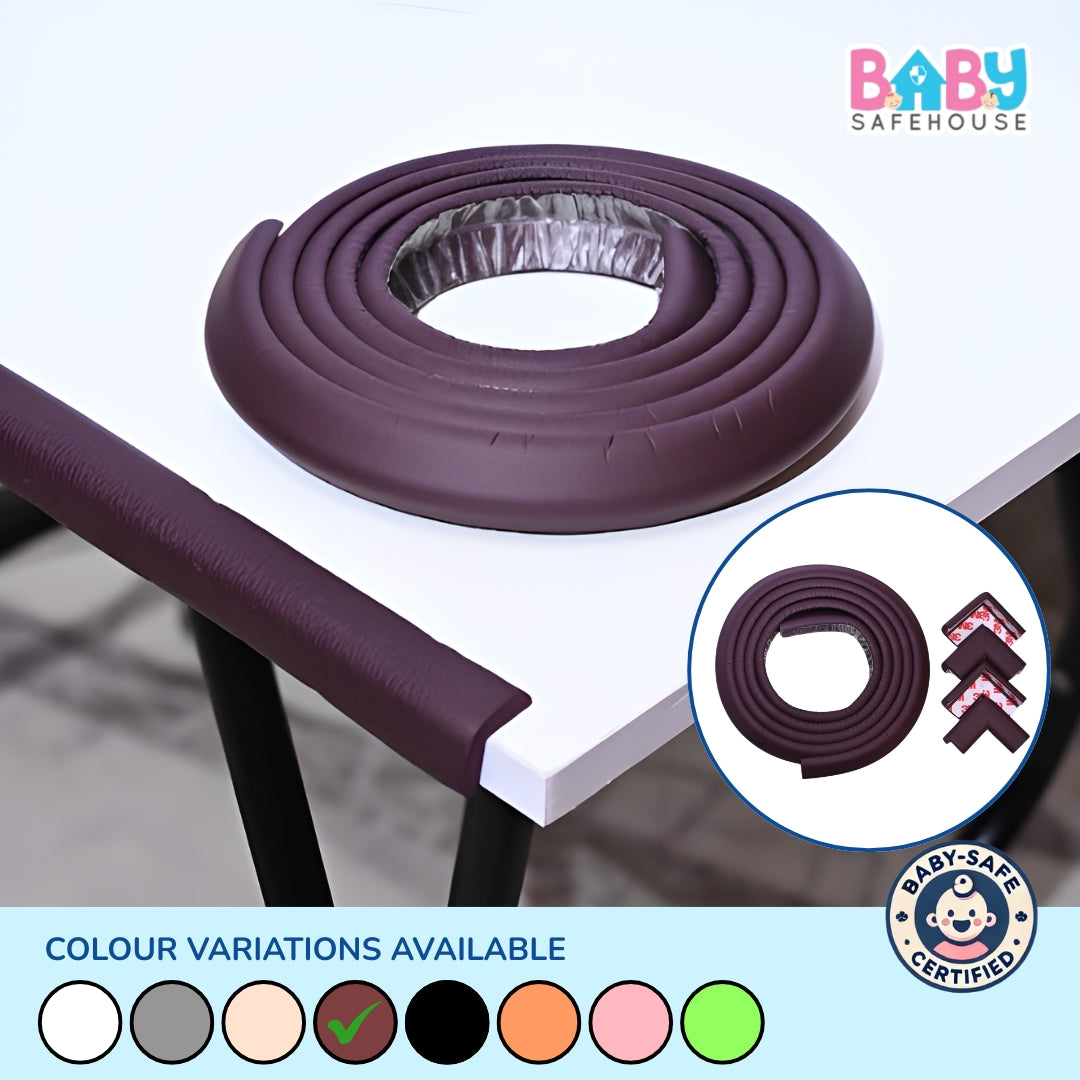
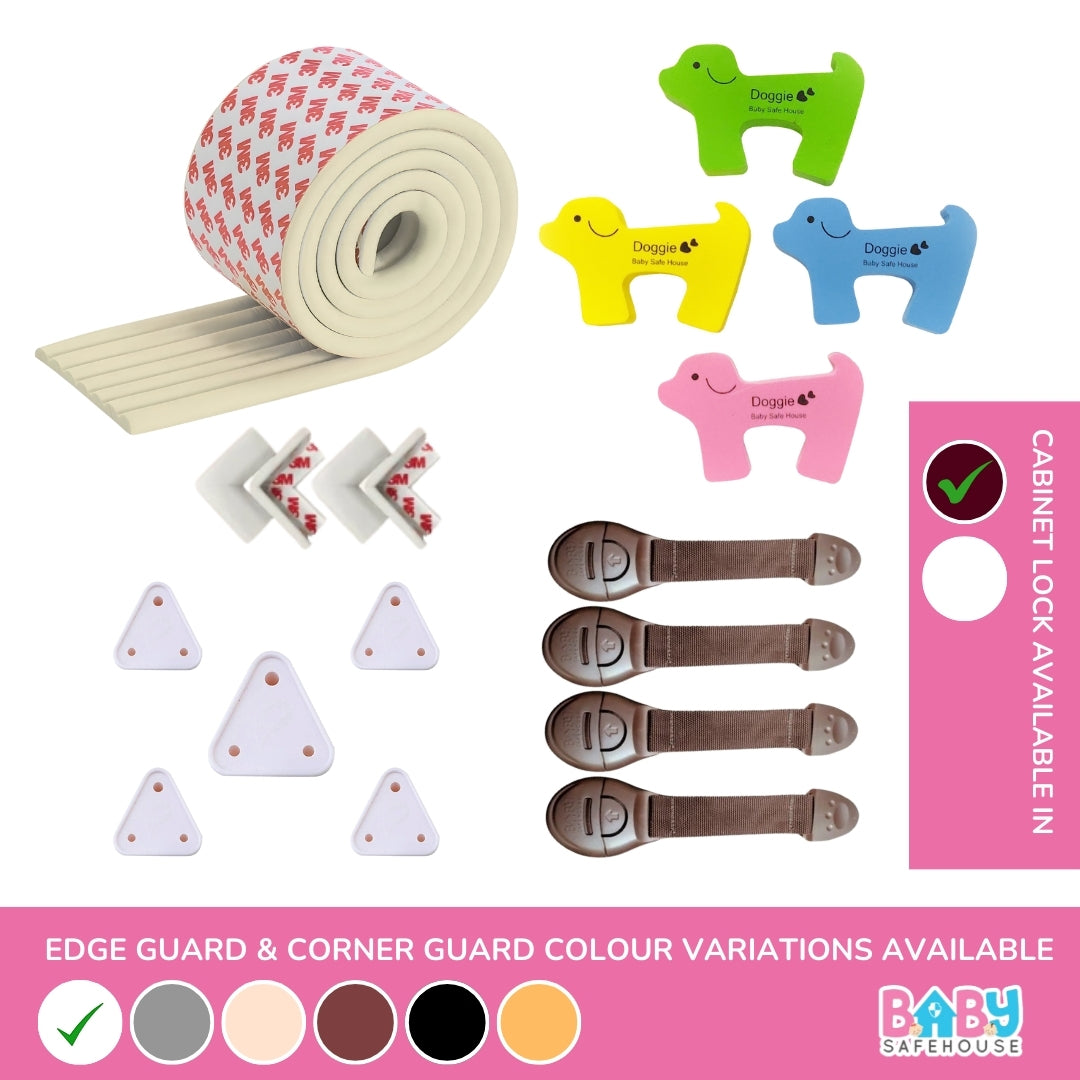
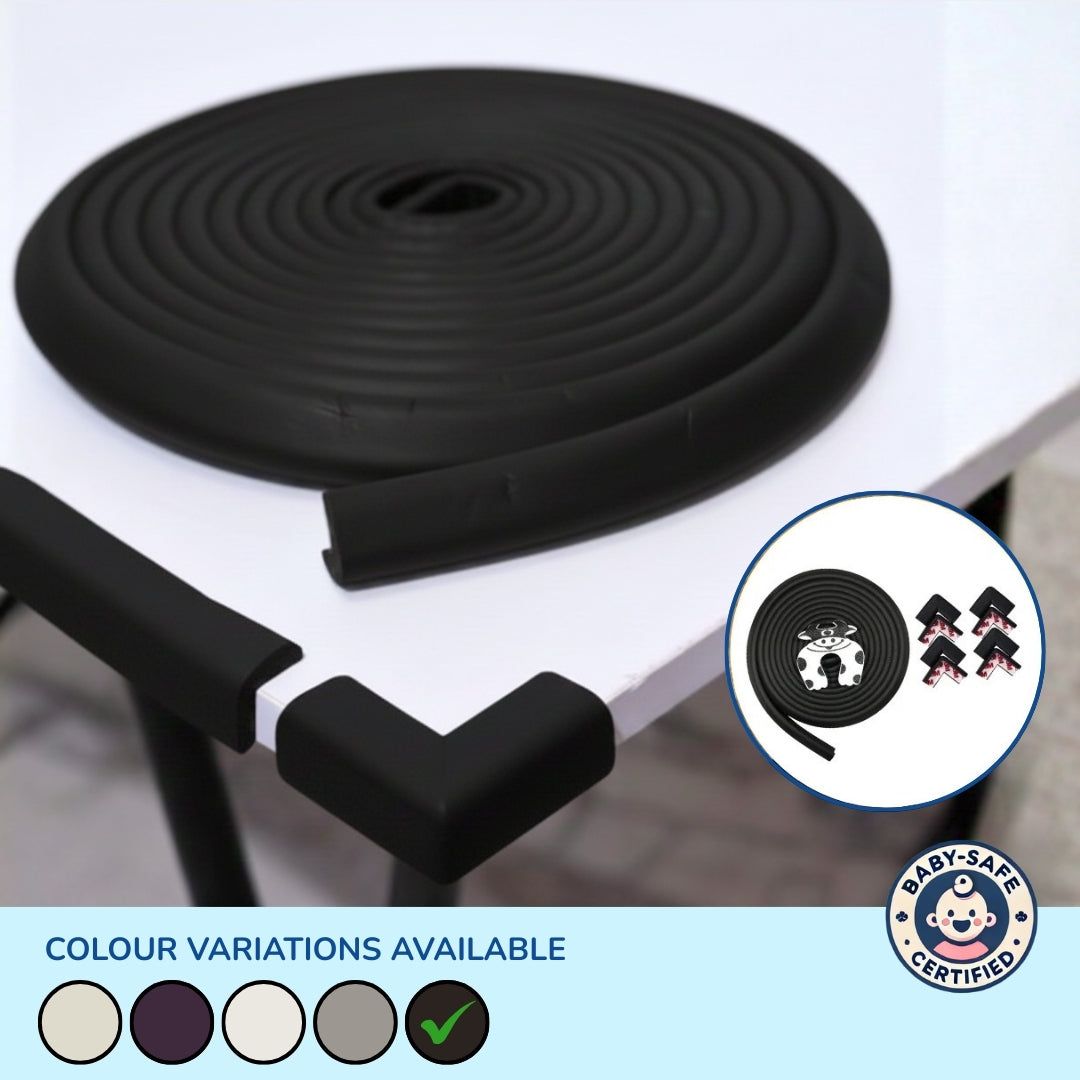
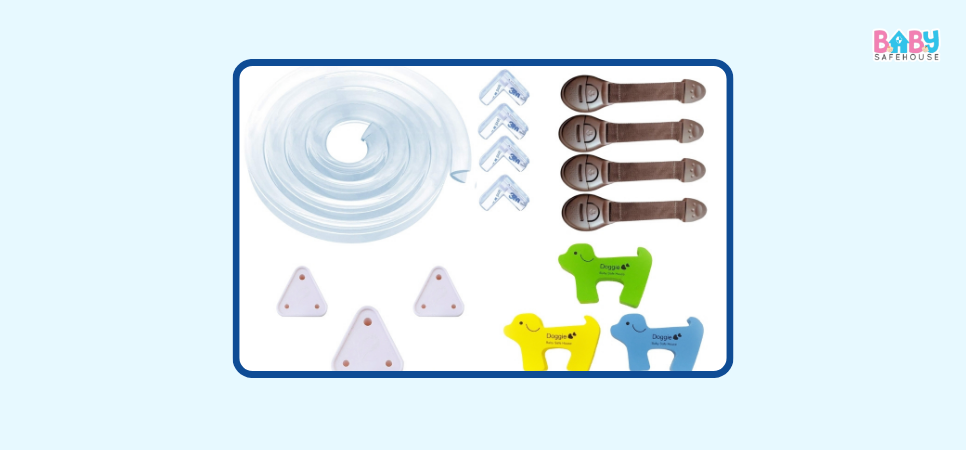
Furniture edges and corners are among the most common causes of minor injuries. Edge guards and corner protectors soften sharp surfaces without altering the look of the home.
This allows children to move freely without every bump turning into a painful experience.
Access Control That Builds Boundaries
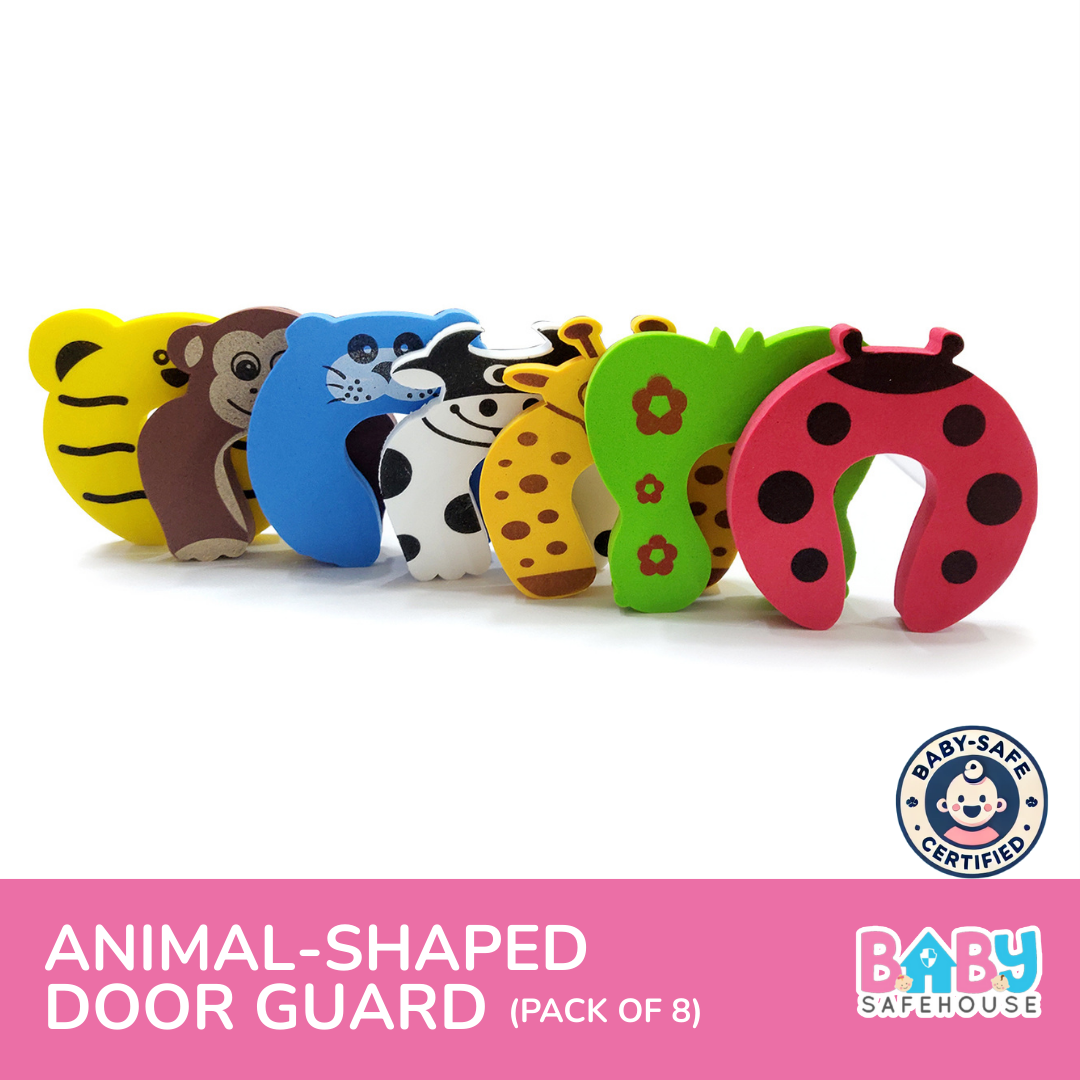
Cabinets, drawers, and appliances often store items that are unsafe for children. Safety locks and latches act as invisible barriers.
Instead of constant supervision or repeated warnings, these tools:
-
Prevent access to harmful items
-
Reduce stress for parents
-
Create consistent boundaries
Over time, children learn limits naturally without frequent intervention.
Electrical Safety That Eliminates Hidden Risks
Power outlets are easy to overlook but highly attractive to children. Socket covers and outlet guards close off this risk entirely.
This is one of the simplest yet most effective upgrades when using baby safety products for home, especially in spaces where supervision may briefly lapse.
Fall Prevention in High-Risk Areas
Falls are one of the most common household incidents involving young children.
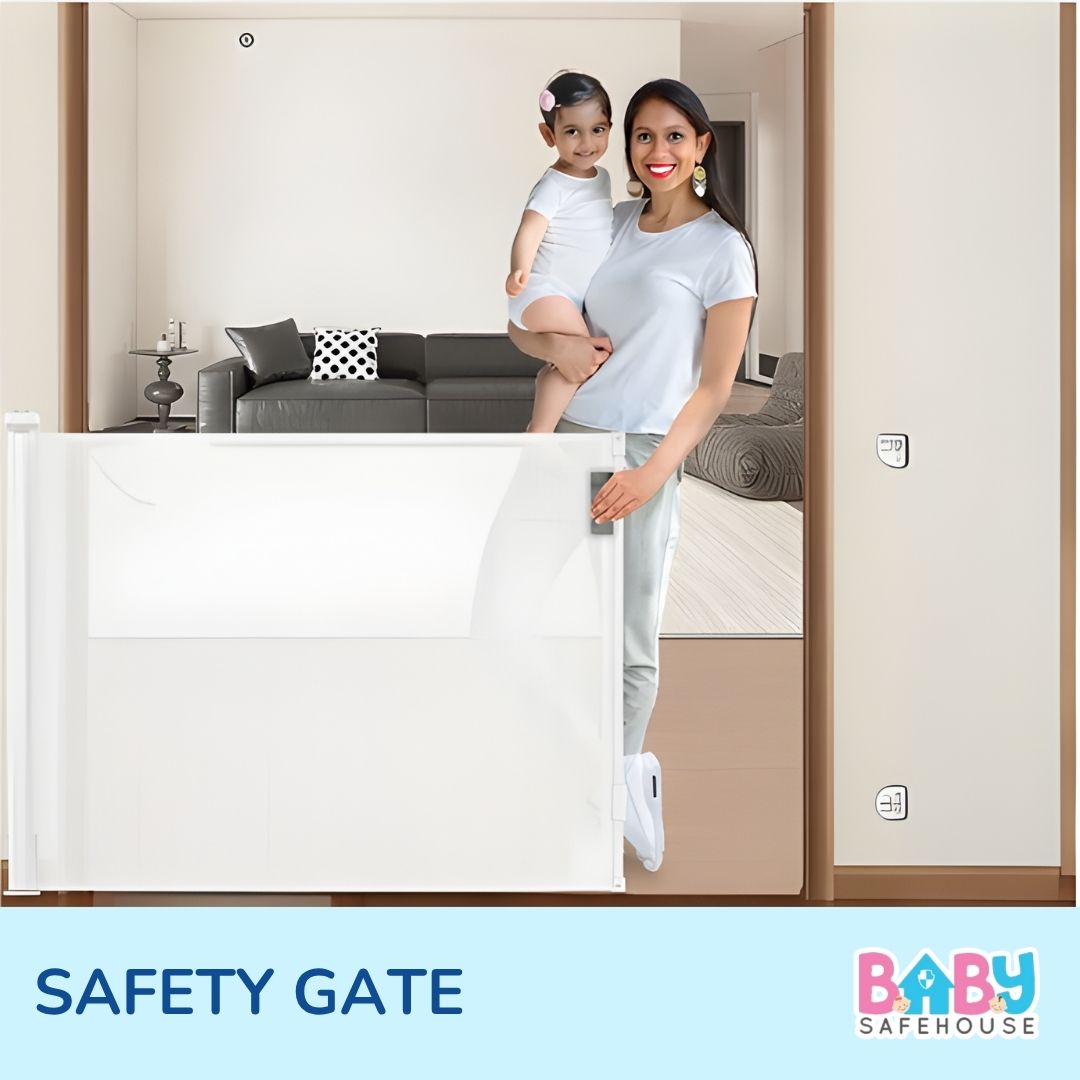
Safety gates and anti-slip solutions:
These solutions don’t restrict movement, they guide it safely.
A Shift from Restriction to Smart Design
Older approaches to child safety often relied on limiting movement blocking rooms, constant monitoring, or repeated warnings.
Today, the mindset has shifted.
Parents are designing homes where:
This is where baby safety products for home play a key role. They don’t stop children from learning, they support safer learning environments.
Psychological Impact: Safety Without Fear
There’s also a less obvious benefit.
When a home is safety-ready:
-
Parents feel less anxious
-
Children experience fewer sudden restrictions
-
Daily interactions become more positive
Instead of constantly reacting (“don’t touch that,” “be careful”), parents can focus on engagement and development.
That subtle shift changes the overall home environment from reactive to relaxed.
Choosing the Right Safety Setup
Not all homes require the same solutions. The key is to identify risk zones based on layout and daily activity.
Focus on:
-
Living areas with furniture edges
-
Kitchens with cabinets and appliances
-
Bathrooms with slippery surfaces
-
Staircases and entry points
A targeted approach works better than overloading the home with unnecessary products.
Common Mistakes to Avoid
Even with the right intent, some safety setups fall short.
Avoid:
-
Installing products without testing durability
-
Ignoring frequently used areas
-
Choosing low-quality materials
-
Removing safety measures too early
Consistency is what makes baby safety products for home truly effective.
FAQ
1. At what stage should safety products be installed?
It’s best to start before increased mobility when a child begins rolling, sitting, or attempting to move independently.
2. Do safety products limit a child’s development?
No. They actually support safer exploration by reducing the chances of injury.
3. Are all safety products necessary for every home?
Not always. The setup should depend on the home layout and specific risk areas.
4. How often should safety products be checked?
Regularly. Wear and tear can reduce effectiveness over time.
Conclusion
Creating a safer home isn’t about removing every risk, it's about managing everyday ones intelligently. Small adjustments can make a significant difference when they are applied consistently and thoughtfully.
With the right baby safety products for home, parents can shift from constant supervision to confident living. It’s not about restricting children, it's about giving them the freedom to grow in a space that quietly protects them.
For families looking to make that transition smoothly, solutions from BabySafeHouse bring together practicality, reliability, and thoughtful design helping homes evolve as children do.