Most parents plan to baby-proof “soon.” But babies become mobile faster than expected, and that gap between intention and action is where accidents happen. So why baby proof your home at all? Because nearly every home injury to a baby is an everyday, preventable one — and a few simple products remove the risk before it ever becomes a problem.
The everyday-moment reality
Home accidents rarely happen during dramatic moments. They happen when a parent steps away to answer the door, stir a pot or take a call — the ordinary gaps that make up any normal day. Your baby is nearby, you're nearby, and in that brief moment curiosity meets an unguarded hazard. Baby-proofing simply means those small, inevitable distractions don't have consequences.
And it happens fast. A baby can cross a room, reach a socket or pull a cord in the few seconds it takes to sign for a delivery. Little ones are quicker and more determined than we expect, and they're drawn to exactly the things that are risky — the shiny switchboard, the dangling wire, the interesting bottle under the sink. That's not carelessness on a parent's part; it's simply how babies explore the world.
The common risks — and their simple fixes
Here are the hazards most homes overlook, each paired with an easy solution. None of this requires renovation:
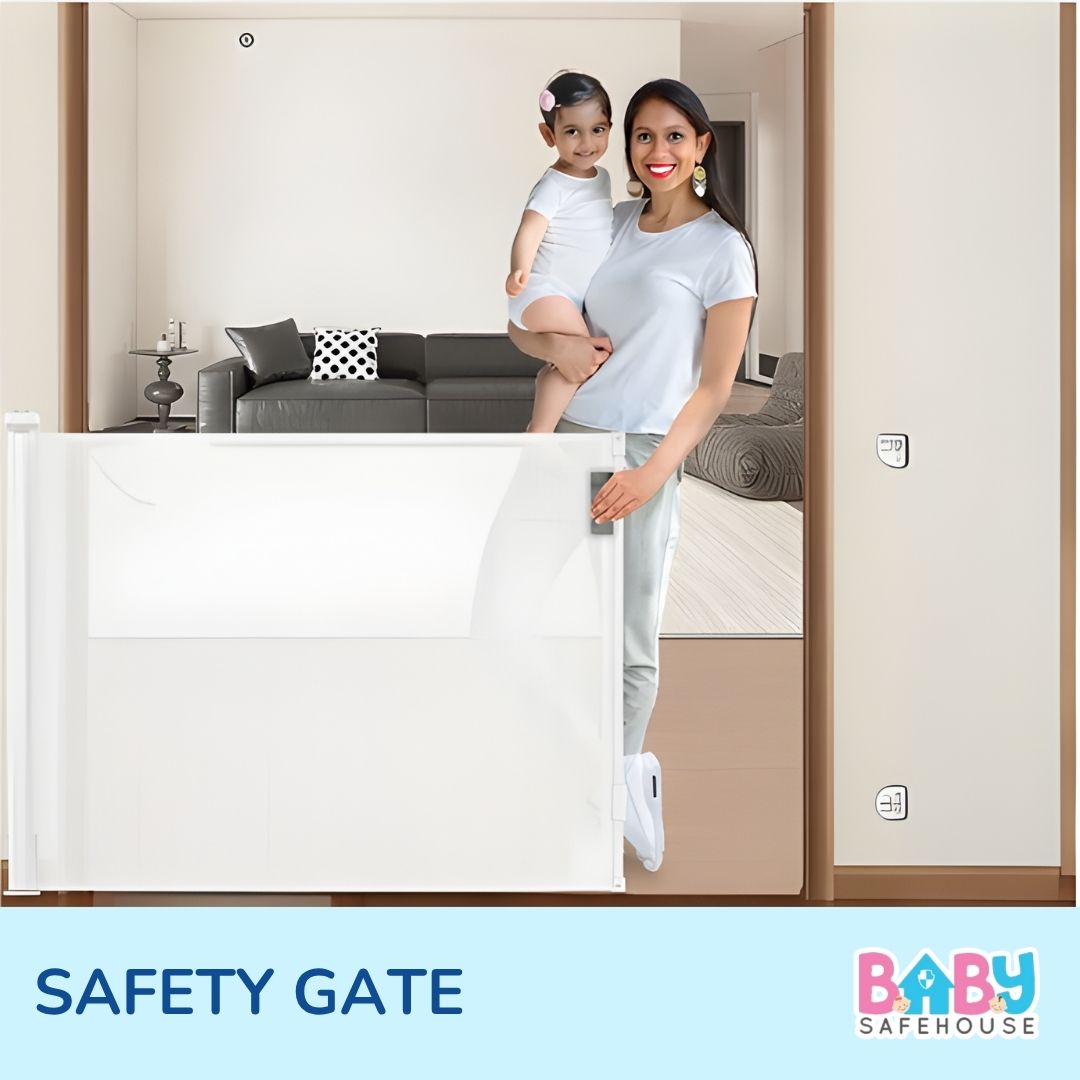
• Falls from stairs, balconies and beds — fitted with a securely-mounted safety gate and balcony netting.
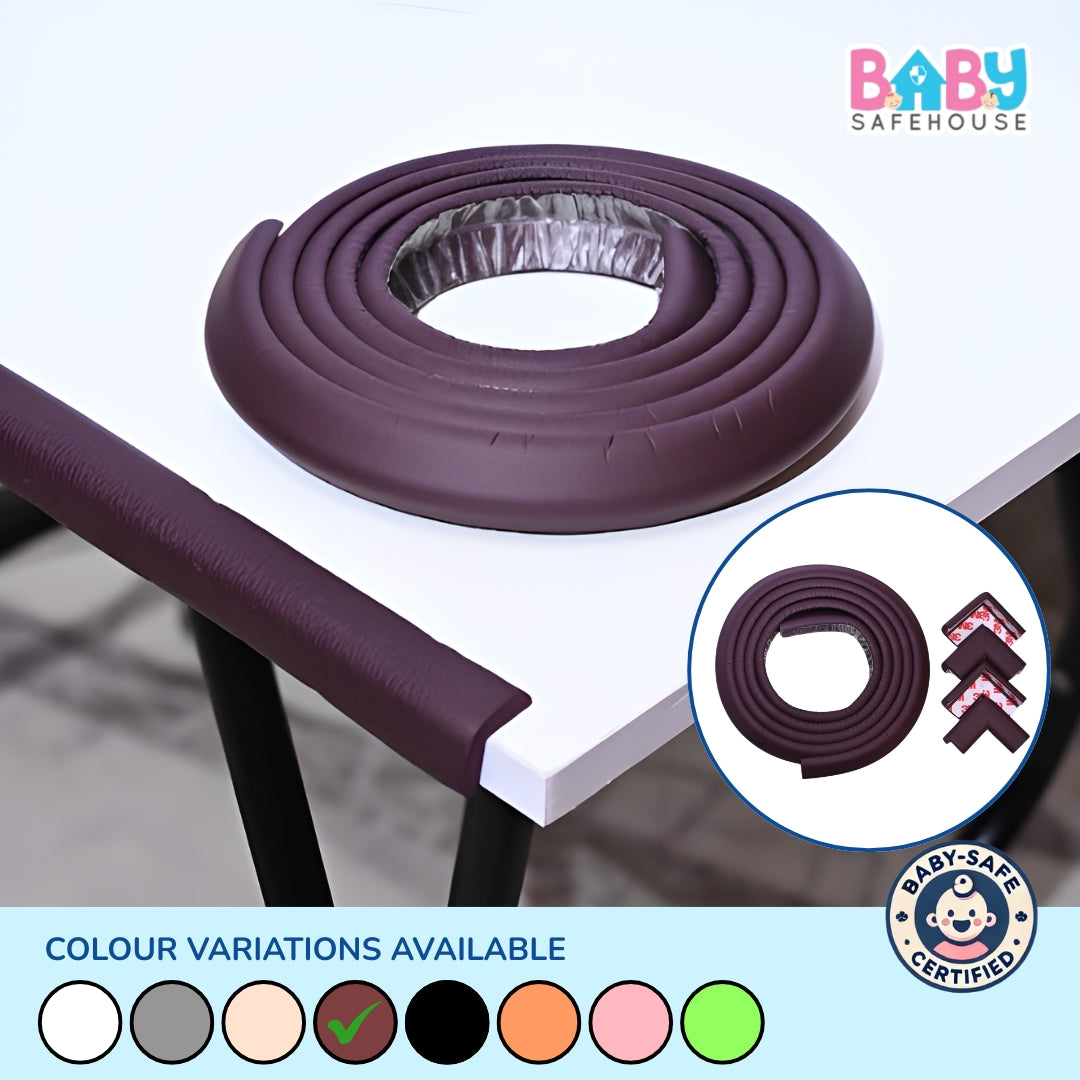
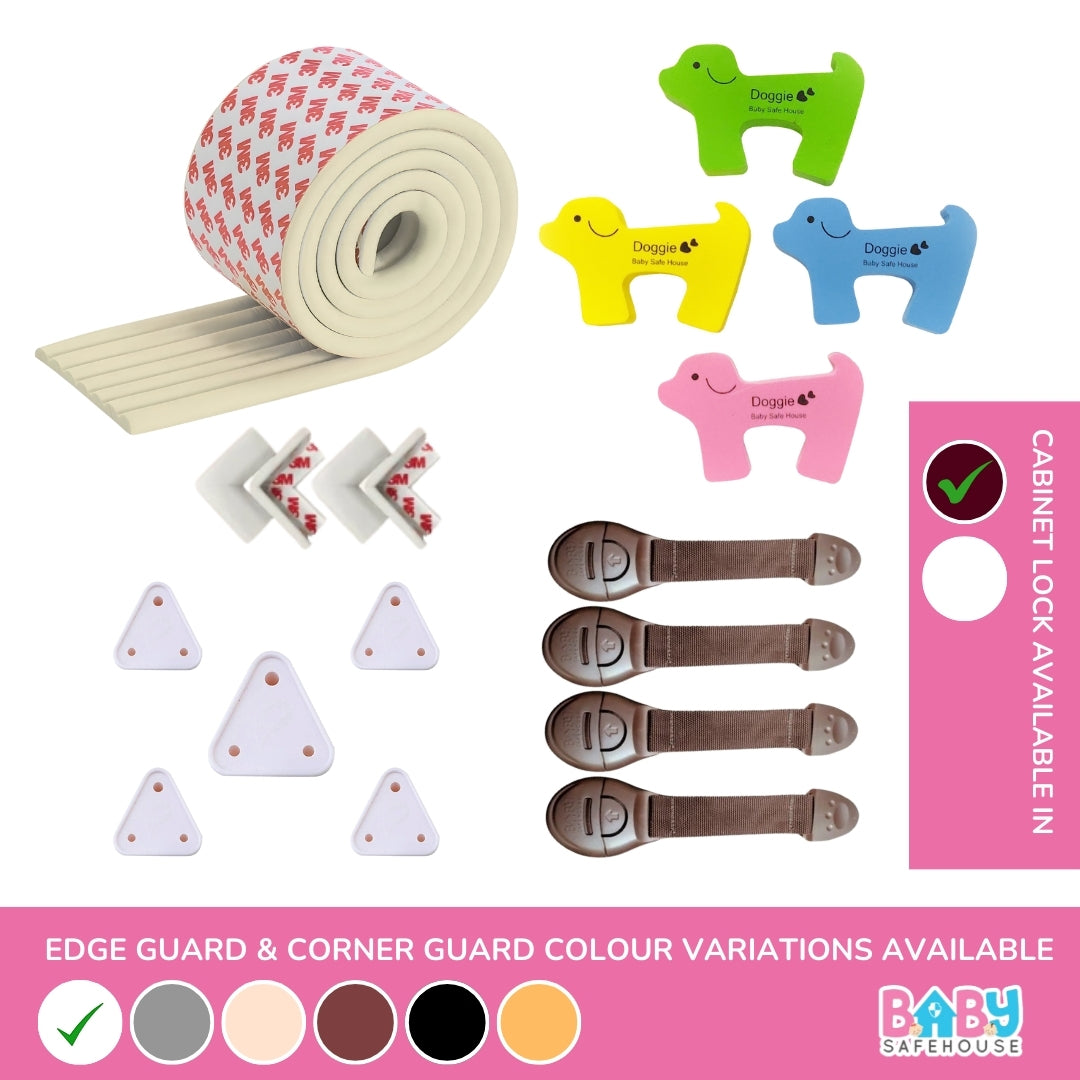
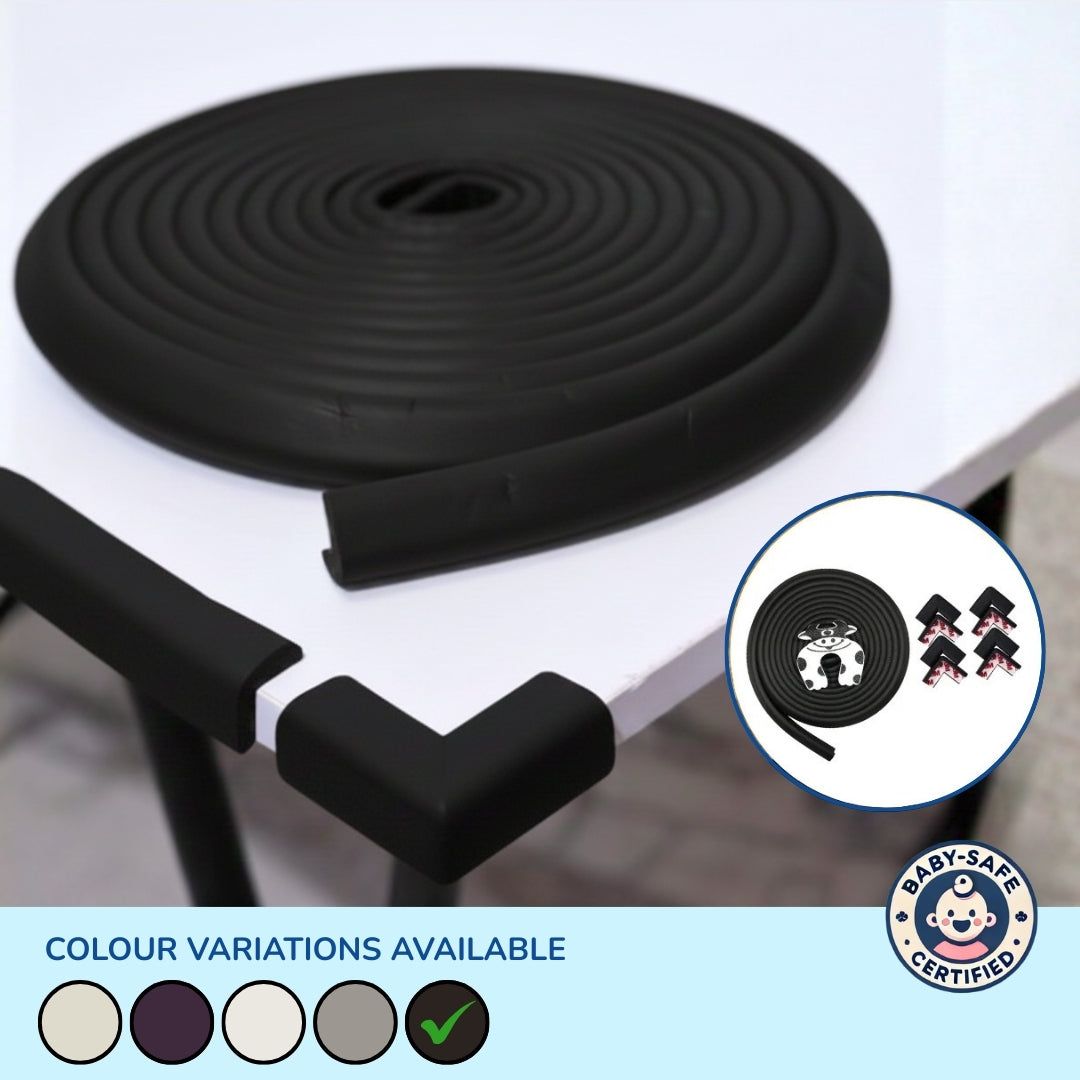
• Sharp-edge injuries on tables, cabinets and beds — softened with edge guards and corner protectors.
• Electric shocks from open sockets — blocked with socket covers.
• Choking on coins, caps and small toys — prevented by a daily floor sweep and keeping small items out of reach.
• Burns and scalds from hot tea, food and geysers — avoided by keeping hot things away from edges and gating the kitchen.
• Poisoning from medicines and cleaning liquids — stopped with cabinet locks and high storage.
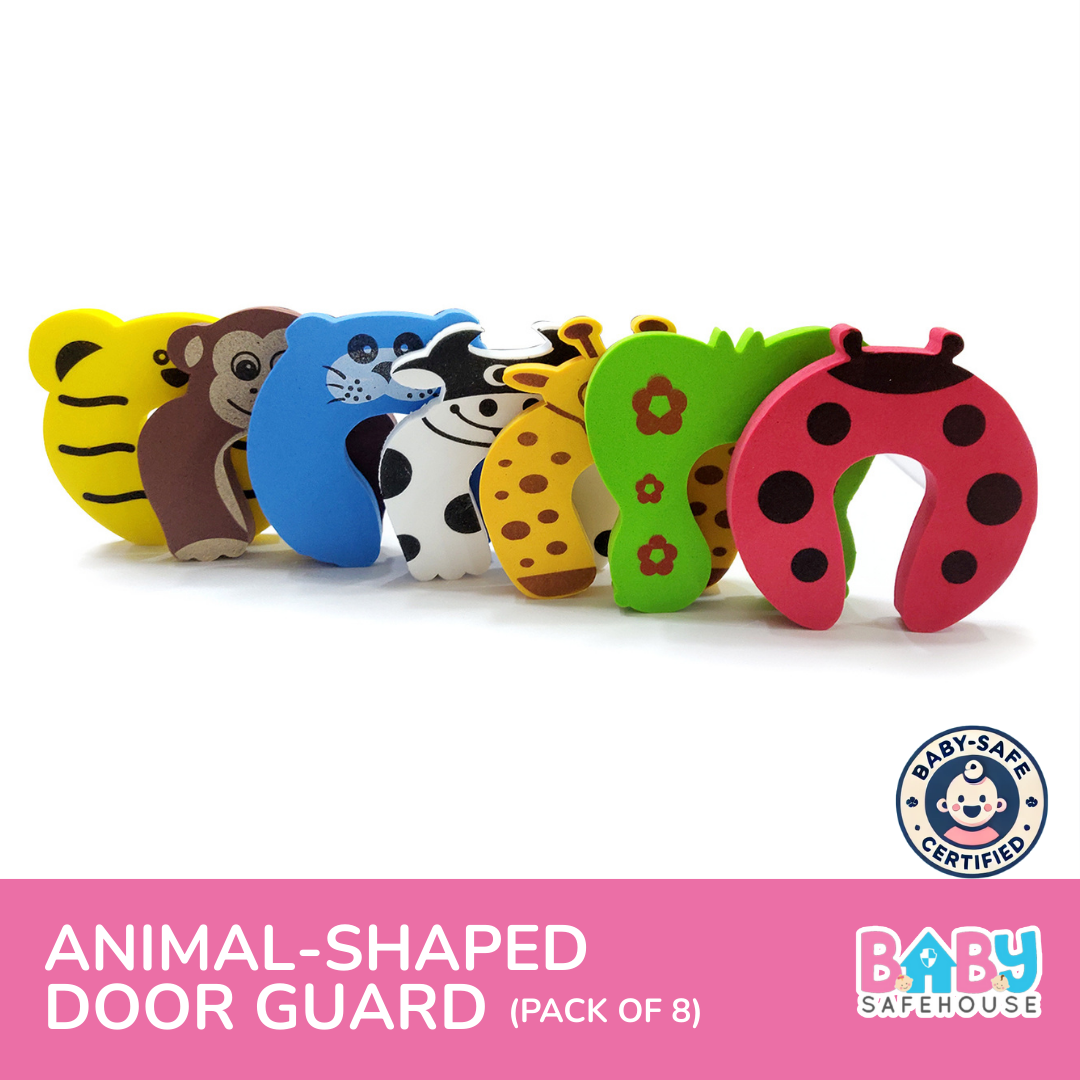
• Finger-pinch injuries from slamming doors — solved with a door stopper.
• Drowning in stored water — prevented by never leaving buckets or tubs standing and unattended.
The “we'll do it later” trap
The most common mistake isn't ignoring safety — it's assuming there's still time. Parents often plan to baby-proof once the baby “starts moving,” but crawling can begin almost overnight, and a baby who couldn't reach the socket yesterday can be at it today. Proofing before your baby is mobile means you're preventing accidents, not reacting to them. This is foresight, not fear.
It also costs far less than most parents imagine. The essentials — edge and corner guards, socket covers, a few cabinet locks, a gate — add up to a modest one-time spend that lasts for years and often covers a second child too. Set against the cost and worry of a preventable injury, it's one of the easiest decisions in early parenting.
Start with the high-risk areas first
If that list feels long, don't worry — you don't have to do everything at once. Begin with the areas where an accident does the most harm: stairs, the balcony, the kitchen and open sockets. Once those are handled, work through sharp edges, cabinets and loose wires at your own pace. Even a single weekend of basic proofing removes the large majority of everyday risk, and you can build on it from there.
The reassuring truth
Here's the part worth remembering: you don't need to turn your home into a fortress, and you don't need dozens of products. A handful of the right ones — edge and corner guards, socket covers, cabinet locks, a gate — prevents the overwhelming majority of everyday accidents. Safety, once set up, quietly does its job in the background while your baby explores freely.
Frequently asked questions
When should I start baby proofing?
Before your baby becomes mobile, usually around 5 to 6 months, because crawling often starts sooner than parents expect.
What are the most common baby accidents at home?
Falls, burns and scalds, choking on small objects, electric shocks from open sockets, poisoning, and drowning in stored water — nearly all of which are preventable.
The simplest place to start is the Safety Starter Combo, which covers the most common household hazards in a single purchase.