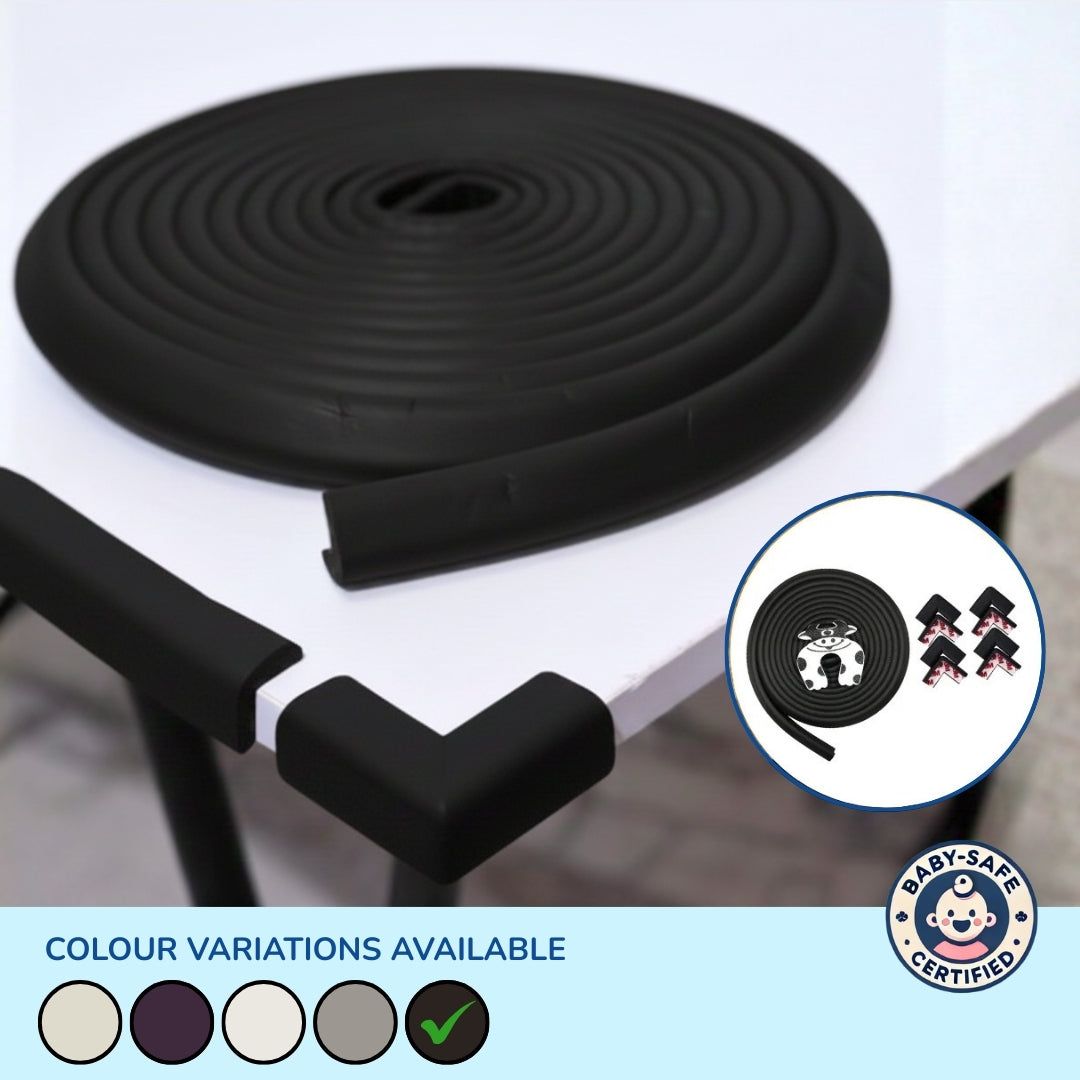
When you have a crawling, cruising baby, your furniture stops being just furniture — it becomes the landscape your child climbs, leans on and bumps into all day. Choosing safe furniture for babies, and making your existing pieces safer, is one of the highest-impact things you can do for home safety. Here's how to tell the risky from the reassuring, and what to do about the pieces you already own.
What makes furniture unsafe
A few features turn ordinary furniture into a hazard for a small child:
- Sharp corners and hard edges — the classic cause of head and face injuries at toddler height.
- Glass tops and panels — centre tables and display units that can crack or shatter.
- Top-heavy or tippable pieces — tall almirahs, open bookshelves and chests of drawers that can topple when a toddler pulls up or climbs.
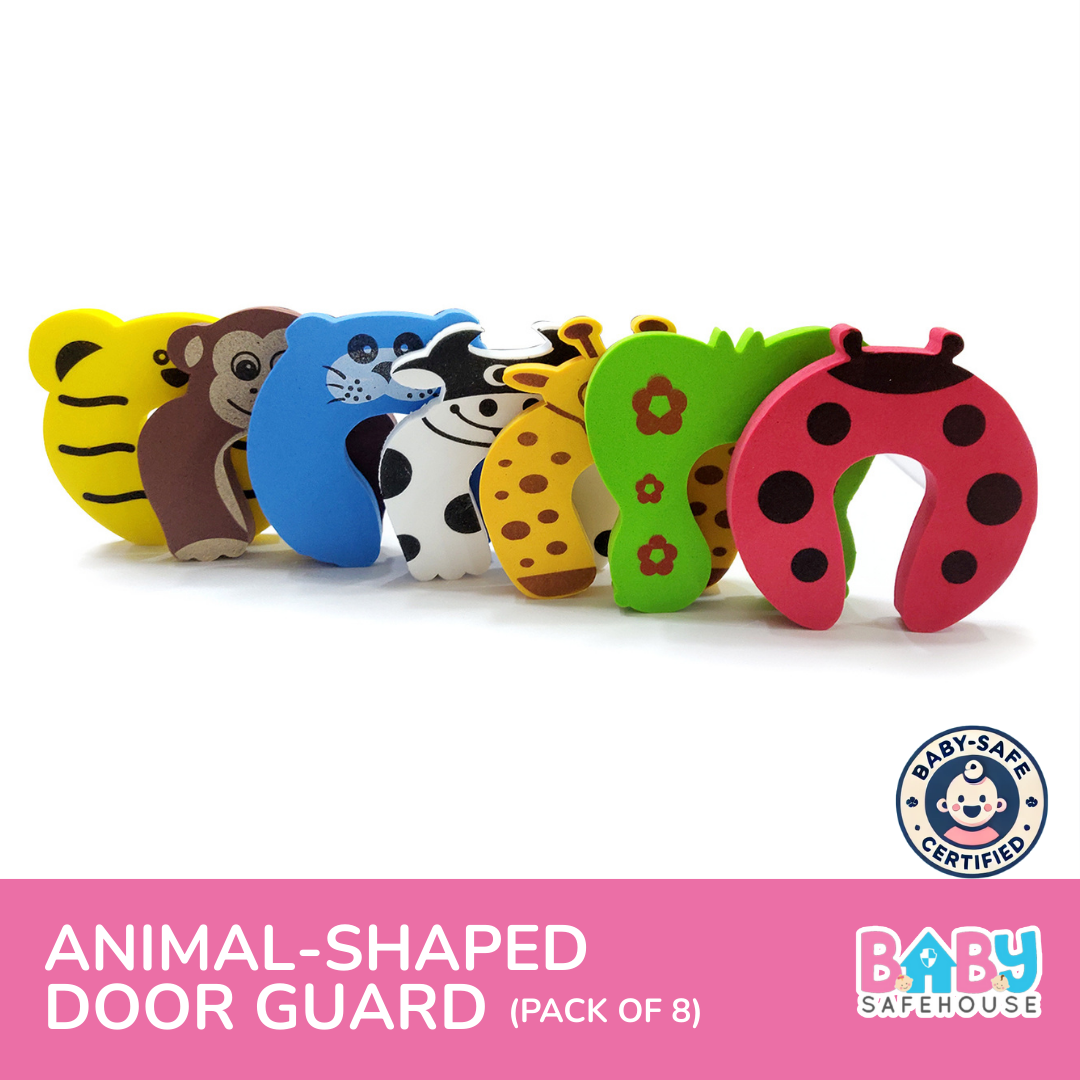
- Heavy doors and lids — wardrobe and cabinet doors that pinch little fingers.
- Trapping gaps — spaces between slats, railings or cushions where an arm or head can get stuck.
- Toxic finishes — cheap paints and coatings that aren't safe if mouthed.
What safer furniture looks like
When you are buying new, lean towards pieces that are forgiving by design:
- Rounded or softened edges and corners rather than sharp 90-degree ones.
- A low centre of gravity — wider, lower units are far harder to tip than tall, narrow ones.
- Stable, well-balanced construction that doesn't wobble when leaned on.
- Non-toxic, child-safe finishes.
- Solid panels instead of wide gaps that can trap limbs.
You don't have to replace everything
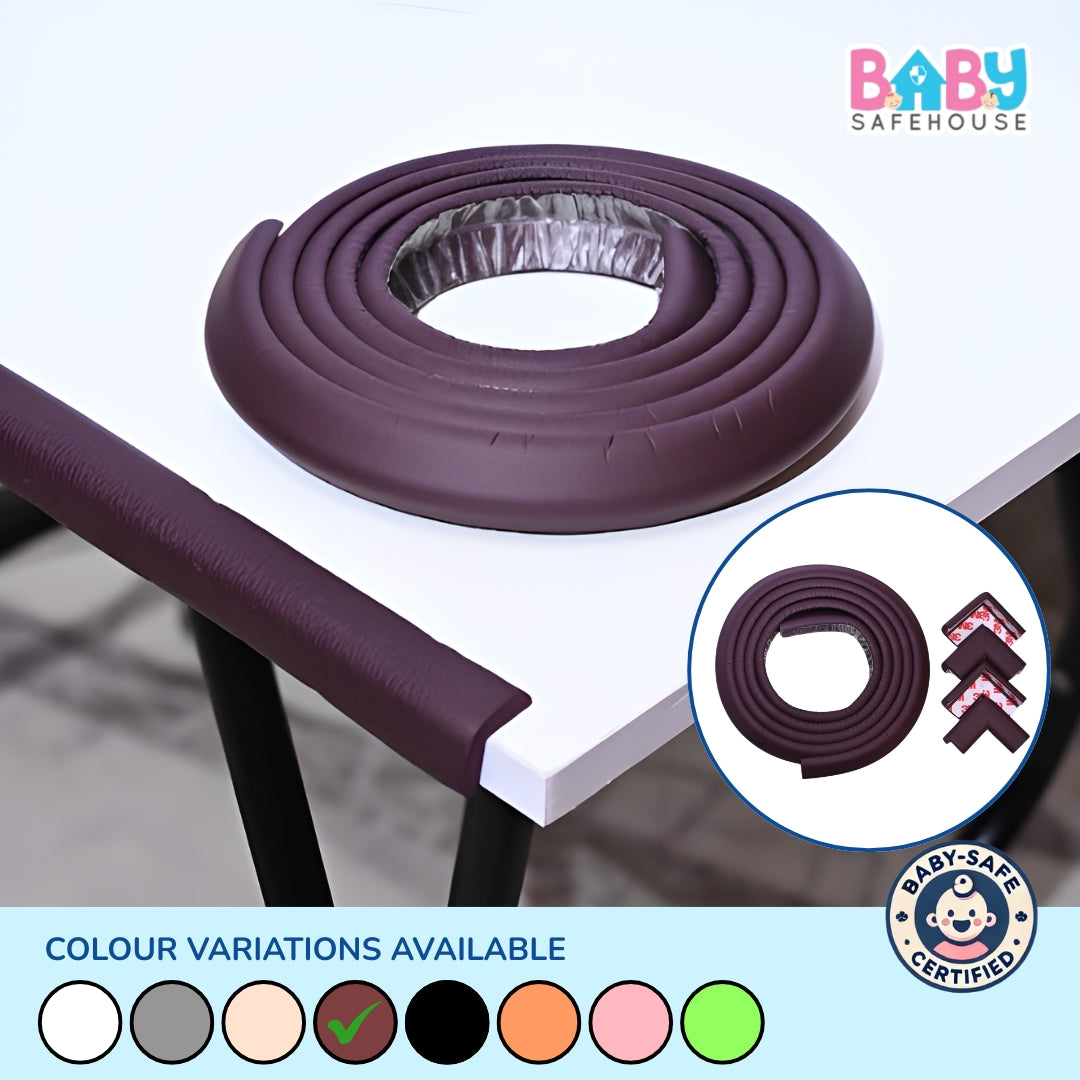
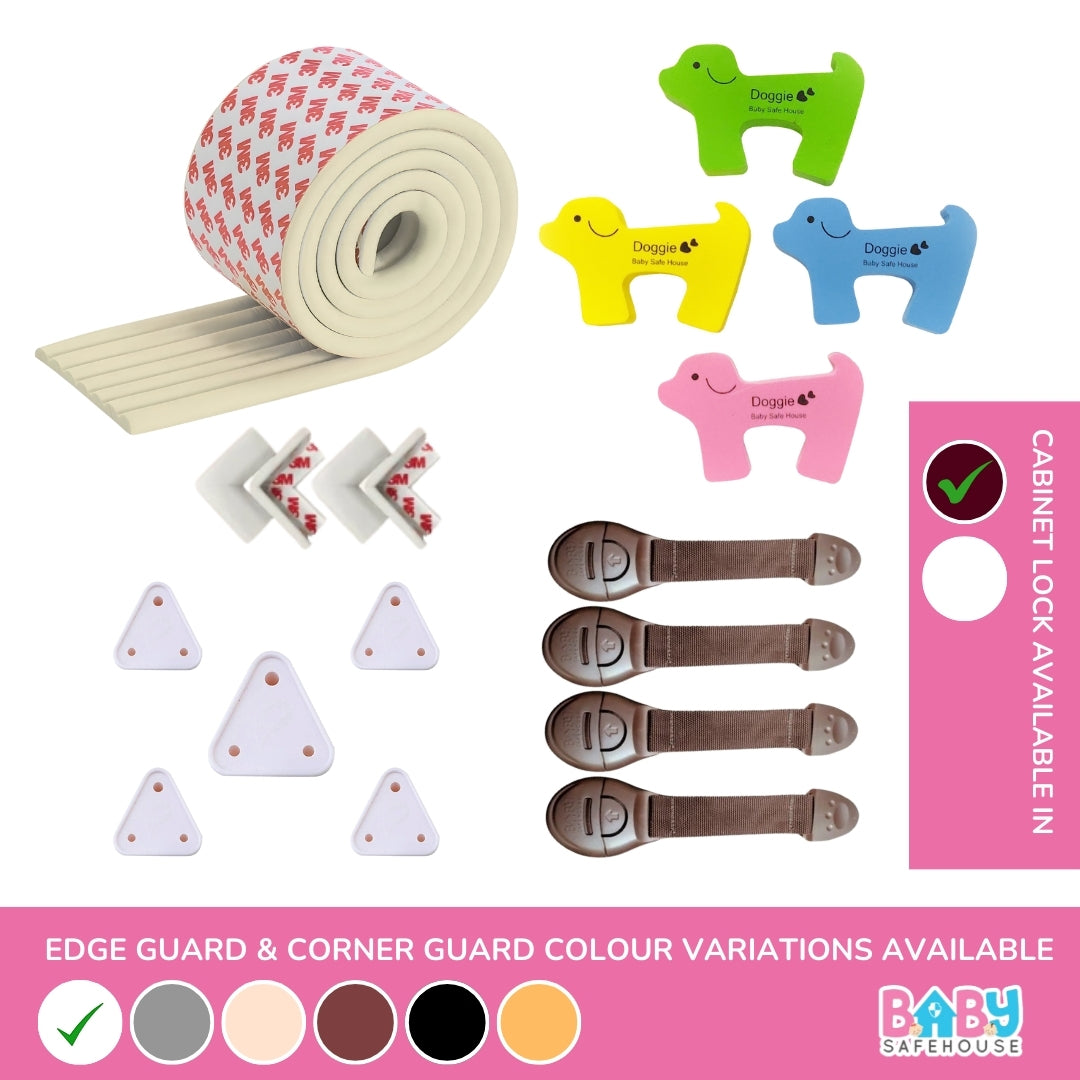
Here's the reassuring part: making your home safe almost never means buying all new furniture. The smarter, cheaper route is to retrofit what you already own. Soft edge guards and corner protectors turn a sharp centre table into a safe one in minutes. Anti-tip straps anchor a tall almirah or bookshelf to the wall. Cabinet locks keep heavy doors and dangerous contents shut. A few well-chosen products do the work of an expensive furniture overhaul.
The Indian-home context
Indian homes have their own furniture profile, and it matters here. Solid teak and sheesham almirahs and beds are heavy and built to last — wonderful, except their edges are hard and their doors are weighty, so edge guards and finger-pinch protection earn their place. Glass-topped centre tables are common in living rooms and sit exactly at a toddler's eye level. Diwans and traditional cots can have gaps that trap limbs. And in compact flats, that big wardrobe is often within arm's reach of where the baby plays. Knowing your specific pieces helps you target the fixes.
Buy new vs make existing safe: a quick guide
- Keep and retrofit if the piece is stable and solid but has sharp edges or a heavy door — add guards, anchors and locks.
- Keep but reposition if it's a glass table or low unit — move it out of the main play zone or pad it well.
- Replace or remove only if a piece is genuinely unstable, badly broken, or has a finish you can't trust — those are worth swapping out.
Your furniture-audit checklist
Walk through each room and check every major piece:
- Are all sharp corners and edges padded?
- Is every tall or top-heavy unit anchored to the wall?
- Are heavy doors and drawers fitted with locks or stops?
- Are glass surfaces out of the play zone or protected?
- Are there any limb-trapping gaps to block?
-
Work through that list once and you'll have turned the furniture you already own into a baby-friendly home. Start with the highest-traffic room — usually the living room — and the right edge guards and corner protectors and cabinet locks will handle most of what you find.
A quick word on hand-me-down furniture
In many Indian families, cots, high chairs and almirahs are passed down or bought second-hand — a lovely tradition, but worth a safety check. Make sure older cots don't have wide slat gaps, that paint and polish are intact and non-toxic, that nothing is cracked or wobbly, and that any hardware is tight. A hand-me-down is perfectly fine once you've confirmed it's stable, intact and finished with something safe to mouth.
Frequently asked questions
Do I really need to anchor my almirah?
If it's tall, heavy and a climbing toddler can reach it, yes. Furniture tip-overs are a serious and preventable hazard, and a simple wall anchor removes the risk entirely.
Are adhesive edge guards strong enough?
Good-quality, pre-taped edge guards hold firmly on clean, dry surfaces and are ideal for rented homes because they leave no damage. Press them down well and let the adhesive set as directed.