Common Household Hazards for Babies in Indian Homes
Babies don’t see a home the way adults do. To them, every corner is an invitation to explore, every object a potential toy, and every sound a reason to move faster. In Indian homes where daily life is active, multi-generational, and deeply functional many risks are woven into routine living. That’s why understanding household hazards for babies is less about fear and more about awareness. The goal is not to turn a home into a sterile space, but to make it safer while preserving comfort and culture.
How Everyday Indian Living Creates Hidden Risks for Babies
Most parents think of hazards as sharp tools or electrical points. In reality, the most common household hazards for babies come from items used every single day. Low-level storage, open layouts, frequent cooking, and flexible furniture arrangements all increase a baby’s access to unsafe areas.
Babies develop mobility before judgment. Crawling infants can reach places adults never notice, while toddlers often overestimate their balance and strength. When these developmental stages meet everyday household routines, accidents become more likely.
Floor-Level Living: Comfort for Adults, Risk for Babies
Floor seating, mattresses on the ground, and low tables are common in many Indian homes. While these offer convenience and cultural familiarity, they can expose babies to several risks.
Common concerns in floor-level spaces
-
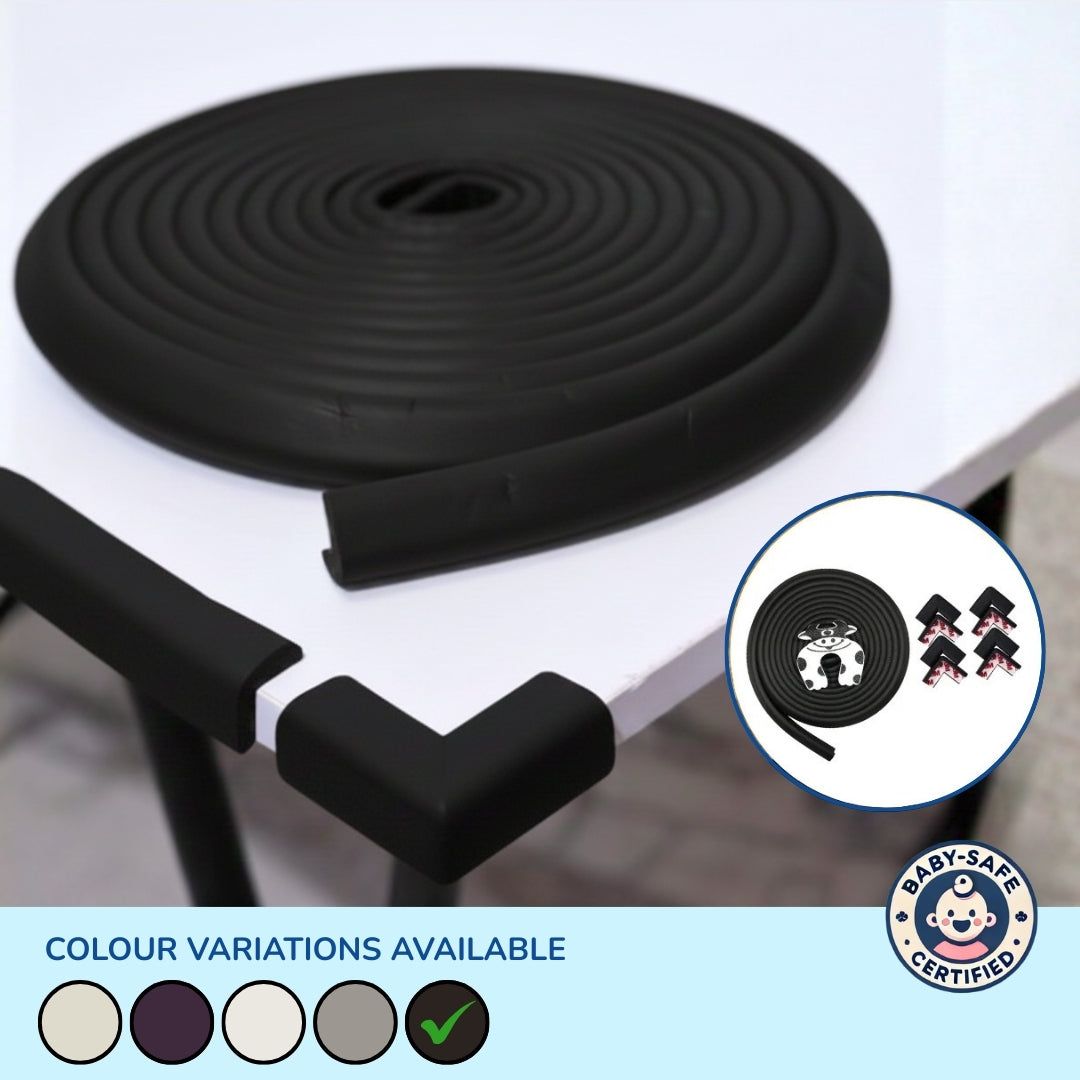
Sharp corners of wooden chowkis or glass-topped tables
-
Heavy cushions or folded mattresses that can topple
-
Small objects like coins, buttons, or pooja items left within reach
-
Floor fans or portable heaters without guards
Since babies spend most of their time on the floor, these areas become the primary source of household hazards for babies, especially during the crawling stage.
Kitchens: The Most Dangerous Room for Curious Babies
Indian kitchens are busy, heat-intensive, and often open or semi-open. Even a few seconds of unsupervised access can be risky.
High-risk kitchen elements
-
Gas stoves with reachable knobs
-
Pressure cookers, kadais, and hot vessels placed low
-
Open shelves with spices, knives, or matchboxes
-
Buckets of water used for cleaning or soaking utensils
Hot oil splashes, gas leaks, or accidental ingestion of spices are serious household hazards for babies. Physical barriers and controlled access matter more than verbal warnings at this age.
Furniture That Grows More Dangerous as Babies Grow
Furniture may look stable to adults, but babies test limits by pulling, climbing, and pushing. Many injuries occur not from falling, but from furniture tipping over.
Furniture-related risks
-
Unanchored wardrobes or bookshelves
-
TV units without wall mounting
-
Glass tables and sharp-edged cabinets
-
Chairs used by babies as climbing steps
As babies transition to standing and walking, furniture becomes one of the most underestimated household hazards for babies.
Electrical Points and Wires: Silent but Serious Threats
Indian homes often have electrical points at low heights, extension cords across rooms, and charging cables within reach.
What increases the risk
Electrical burns and shocks can happen instantly, making these household hazards for babies especially dangerous.
Bathrooms and Wash Areas: Slips, Drowning, and Chemicals
Bathrooms are not just slippery, they are unpredictable. Even a small amount of water can pose a risk.
Key hazards in bathrooms
-
Buckets or tubs filled with water
-
Wet tiles without anti-slip mats
-
Cleaning liquids stored on the floor
-
Open toilet lids
In many Indian homes, bathrooms are also storage spaces. This combination makes them one of the most overlooked household hazards for babies.
Balconies, Windows, and Staircases
Urban Indian homes often include balconies, grills, or internal staircases. These areas demand extra attention as babies grow more adventurous.
Structural risks
-
Balcony railings with wide gaps
-
Furniture placed near windows
-
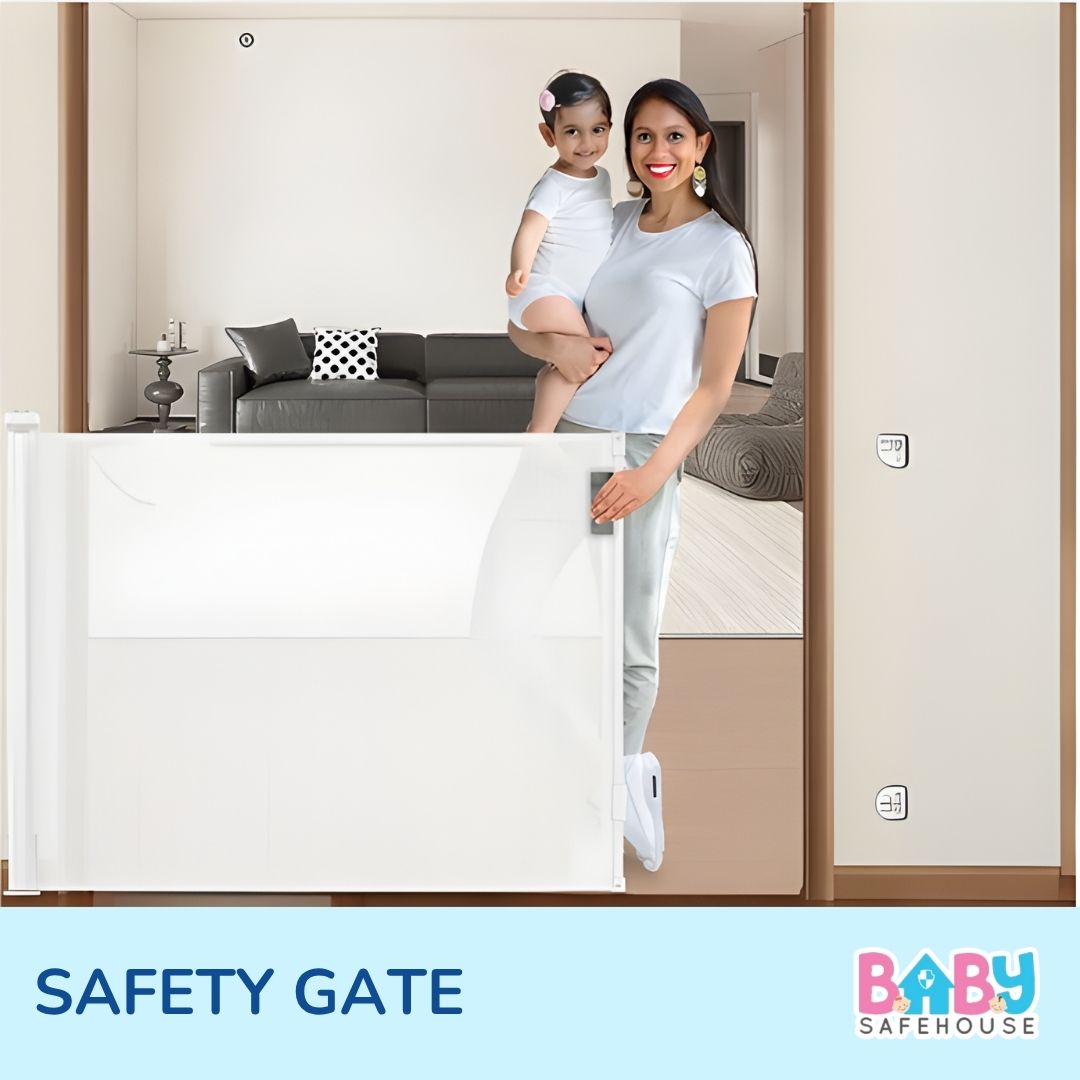
Staircases without safety gates
-
Low window sills
Falls from height are among the most severe household hazards for babies, often occurring during moments when adults assume the child is playing safely.
Cultural and Festive Items That Increase Risk
Indian homes frequently host festivals, poojas, and family gatherings. While joyful, these moments temporarily increase hazards.
Seasonal dangers
-
Diyas, incense sticks, and candles
-
Decorative lights with exposed wires
-
Small offerings like nuts or sweets
-
Extra furniture and floor clutter
During celebrations, supervision drops and unfamiliar objects increase, adding to household hazards for babies.
Simple Safety Habits That Make a Big Difference
Baby safety does not always require major renovations. Small changes in habits can significantly reduce risk.
Practical steps
-
Store daily-use items above baby’s reach
-
Secure heavy furniture to walls
-
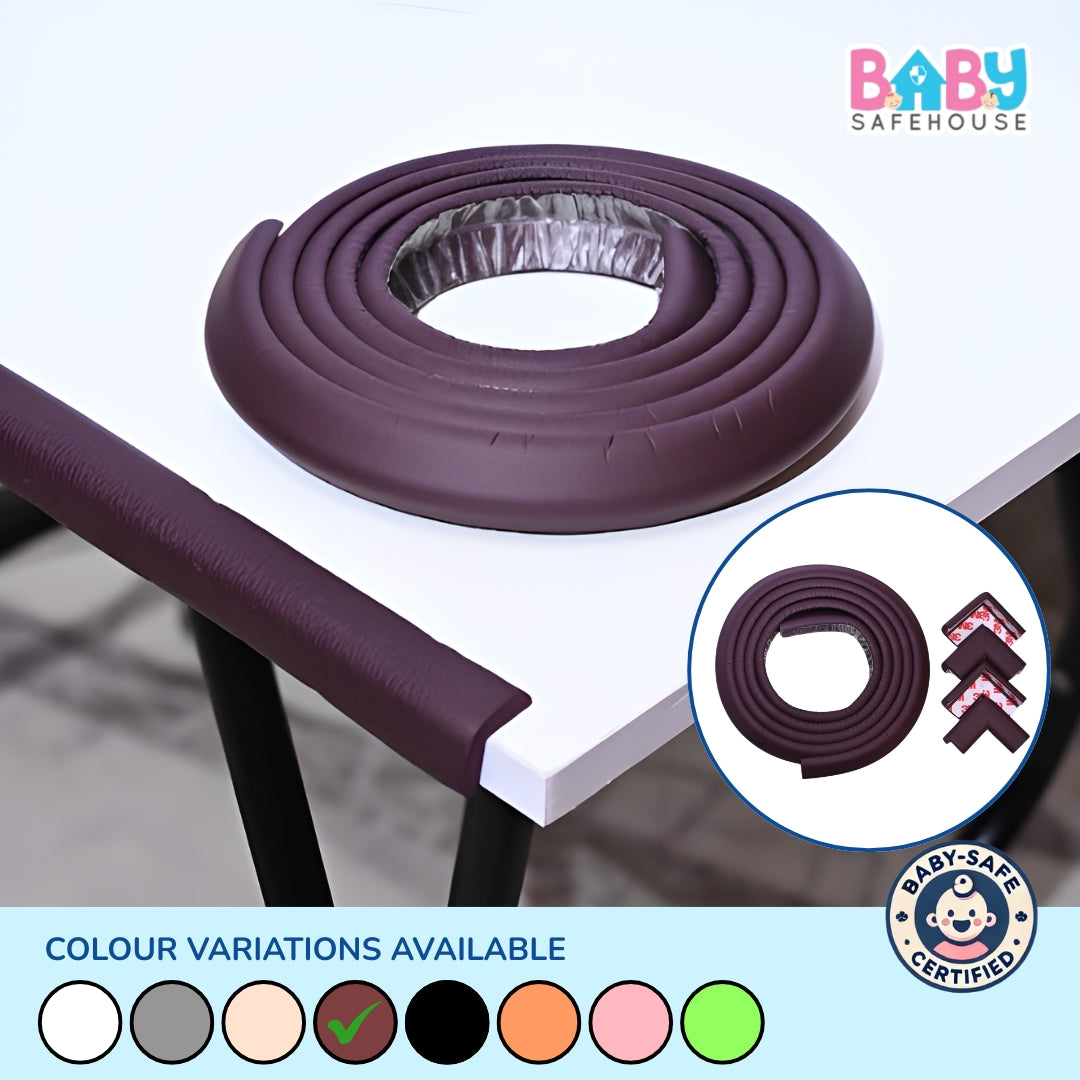
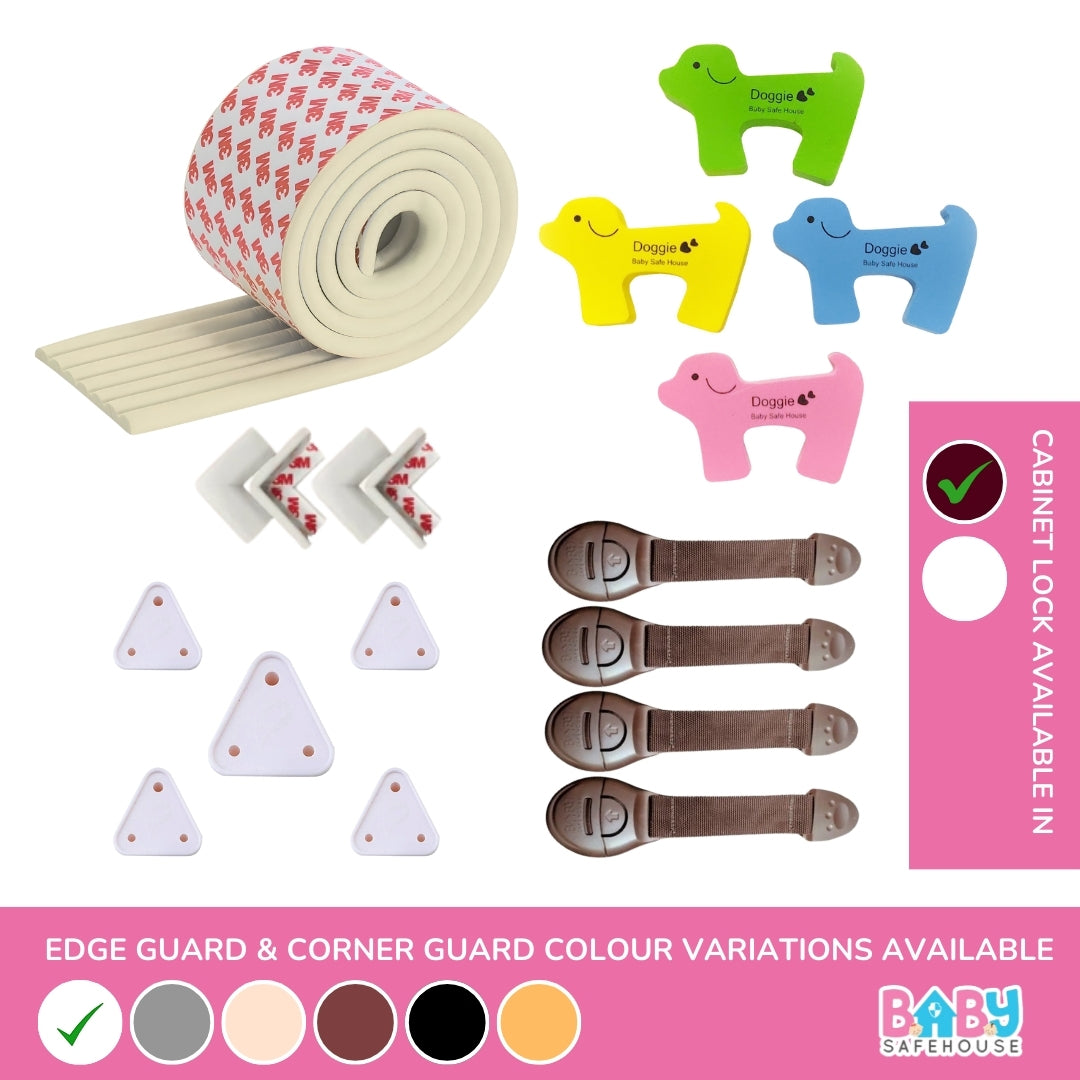
Use corner guards and socket covers
-
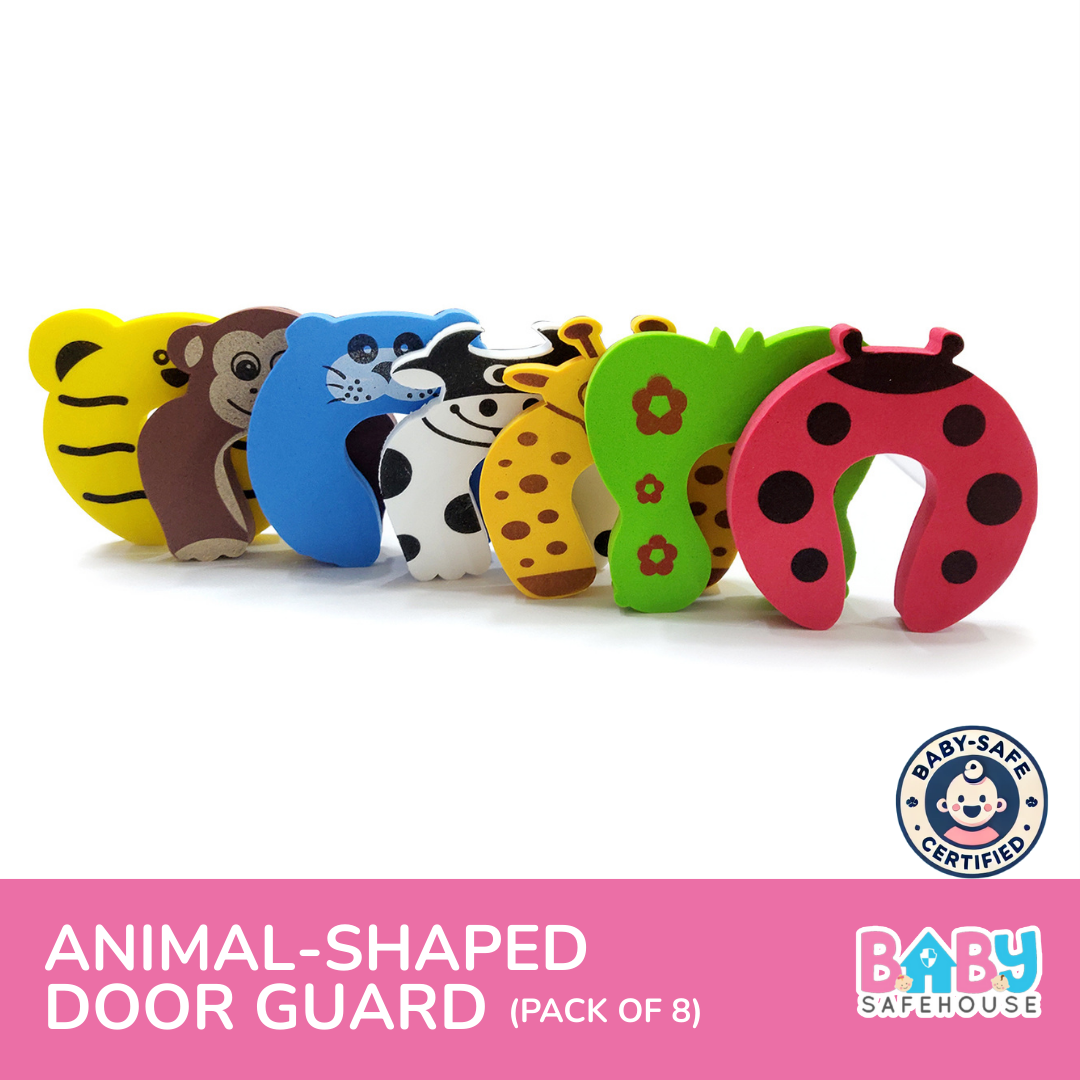
Keep doors to kitchens and bathrooms closed
-
Do frequent floor checks for small objects
Consistency matters more than perfection when reducing household hazards for babies.
Frequently Asked Questions
When should parents start identifying household hazards for babies?
As soon as a baby starts rolling or attempting to crawl. Early awareness prevents rushed changes later.
Are walkers safe for Indian homes?
In homes with uneven flooring, door thresholds, or stairs, walkers can increase the risk of falls.
Is constant supervision enough to prevent accidents?
Supervision helps, but many accidents happen in seconds. Physical safety measures are essential.
Do rented homes require babyproofing?
Yes. Temporary, non-damaging solutions can still reduce major household hazards for babies.
Creating a Home That Grows Safely With Your Baby
A baby-safe home is not built overnight. It evolves as the child grows, learns, and explores new abilities. Recognizing household hazards for babies in Indian homes requires looking at daily life through a child’s eyes low, curious, and fearless. With thoughtful adjustments and reliable safety solutions, families can preserve the warmth of their homes while protecting what matters most.
Parents looking for practical, child-friendly safety products that suit Indian homes can explore thoughtfully designed solutions from BabySafeHouse, where everyday living and baby safety are designed to work together, not against each other.