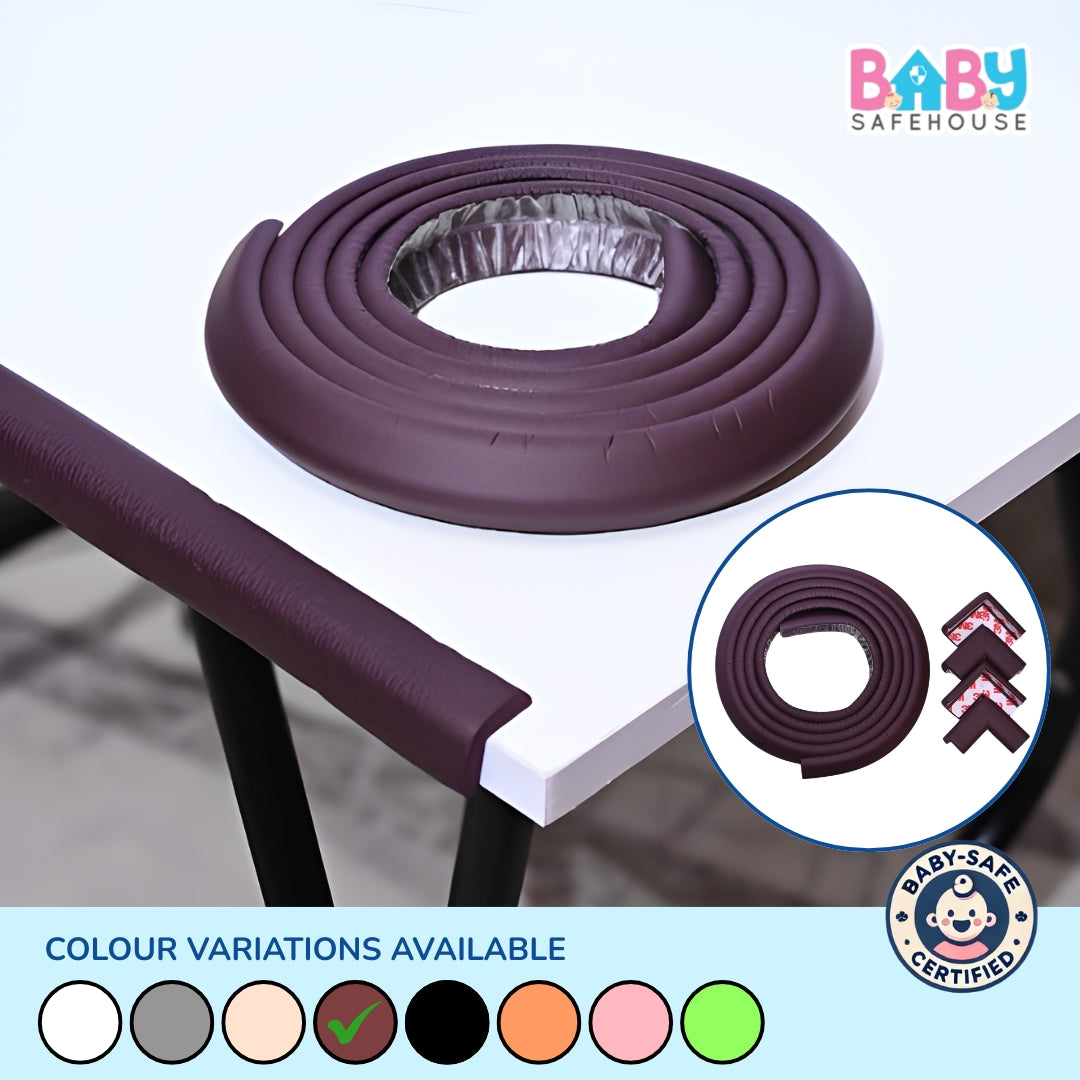
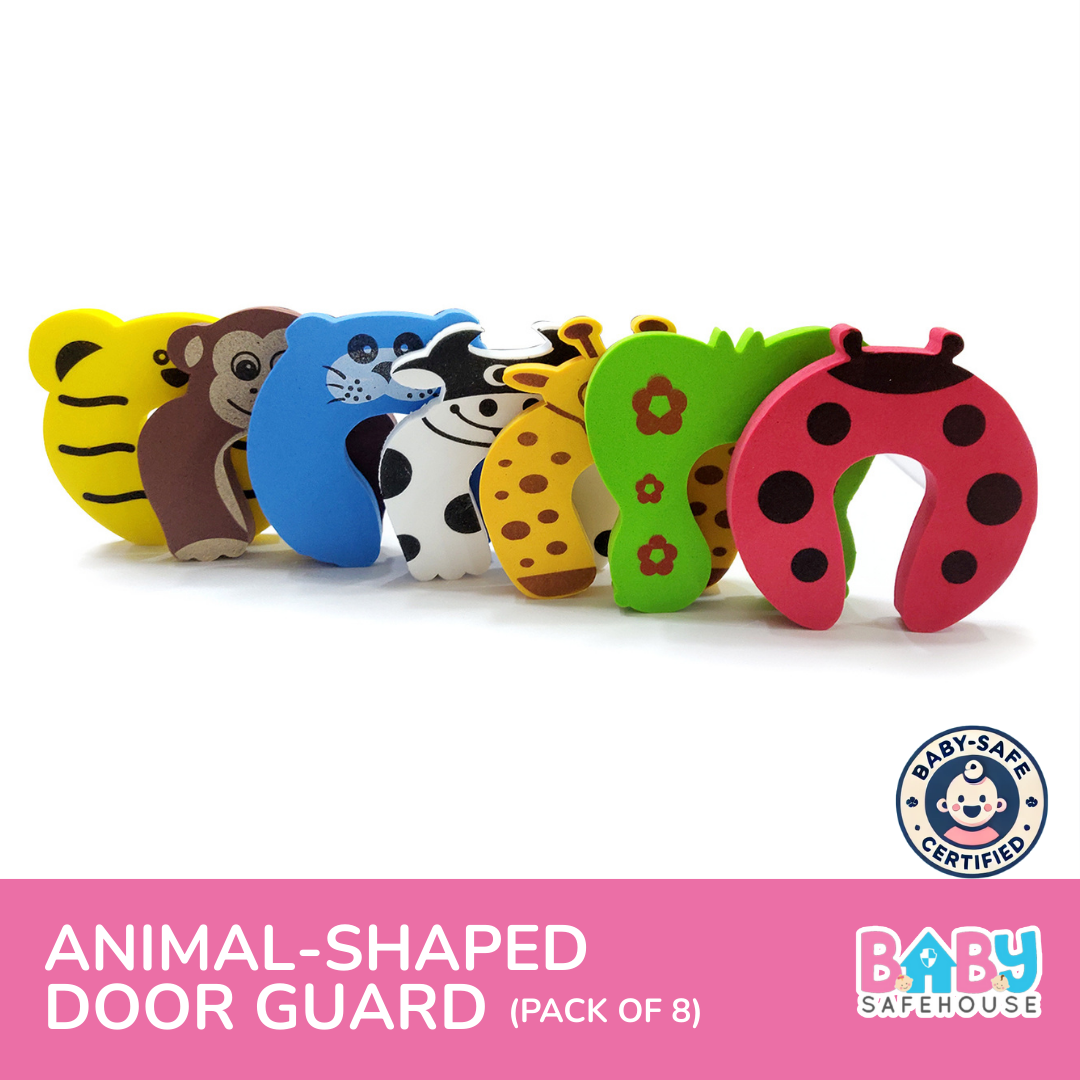
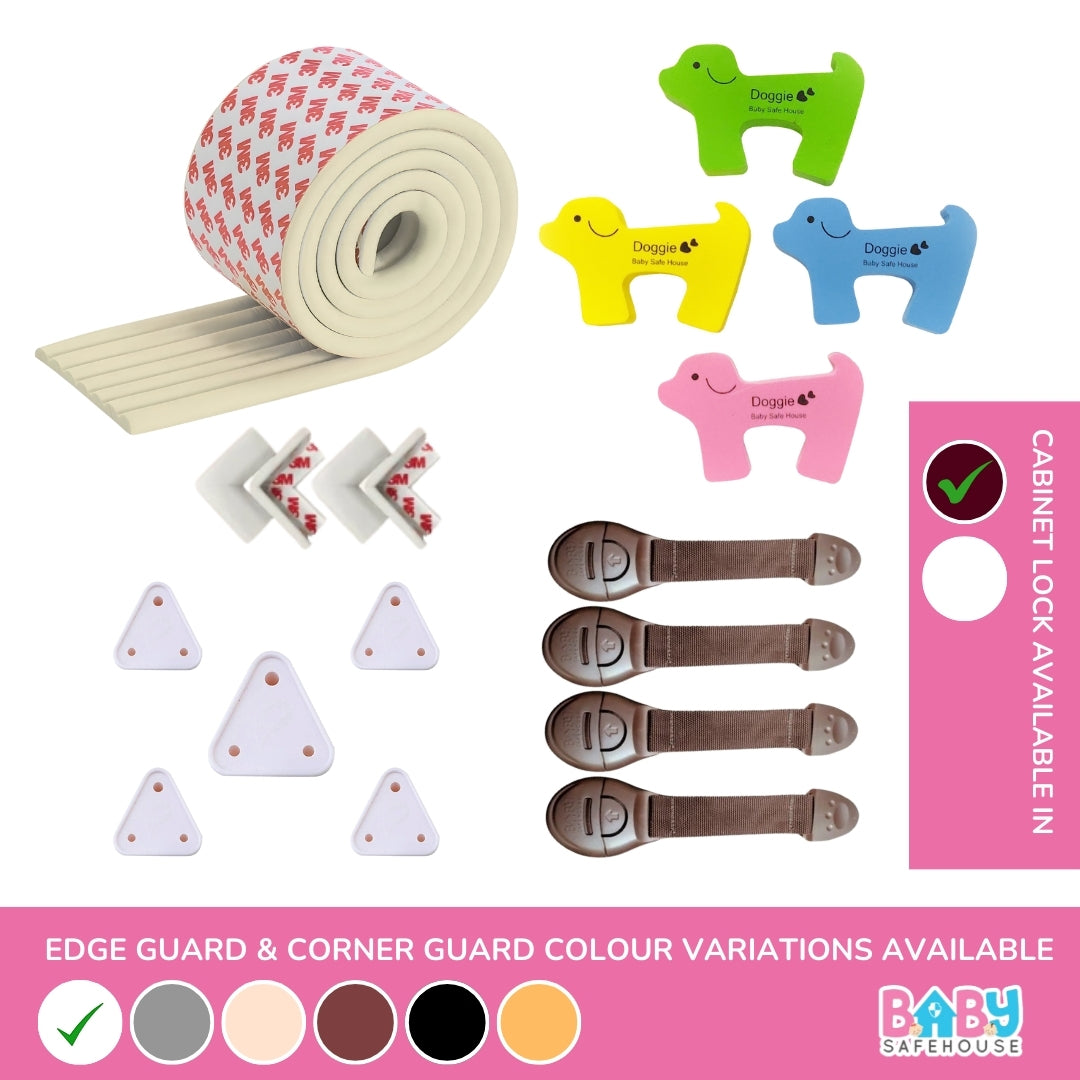
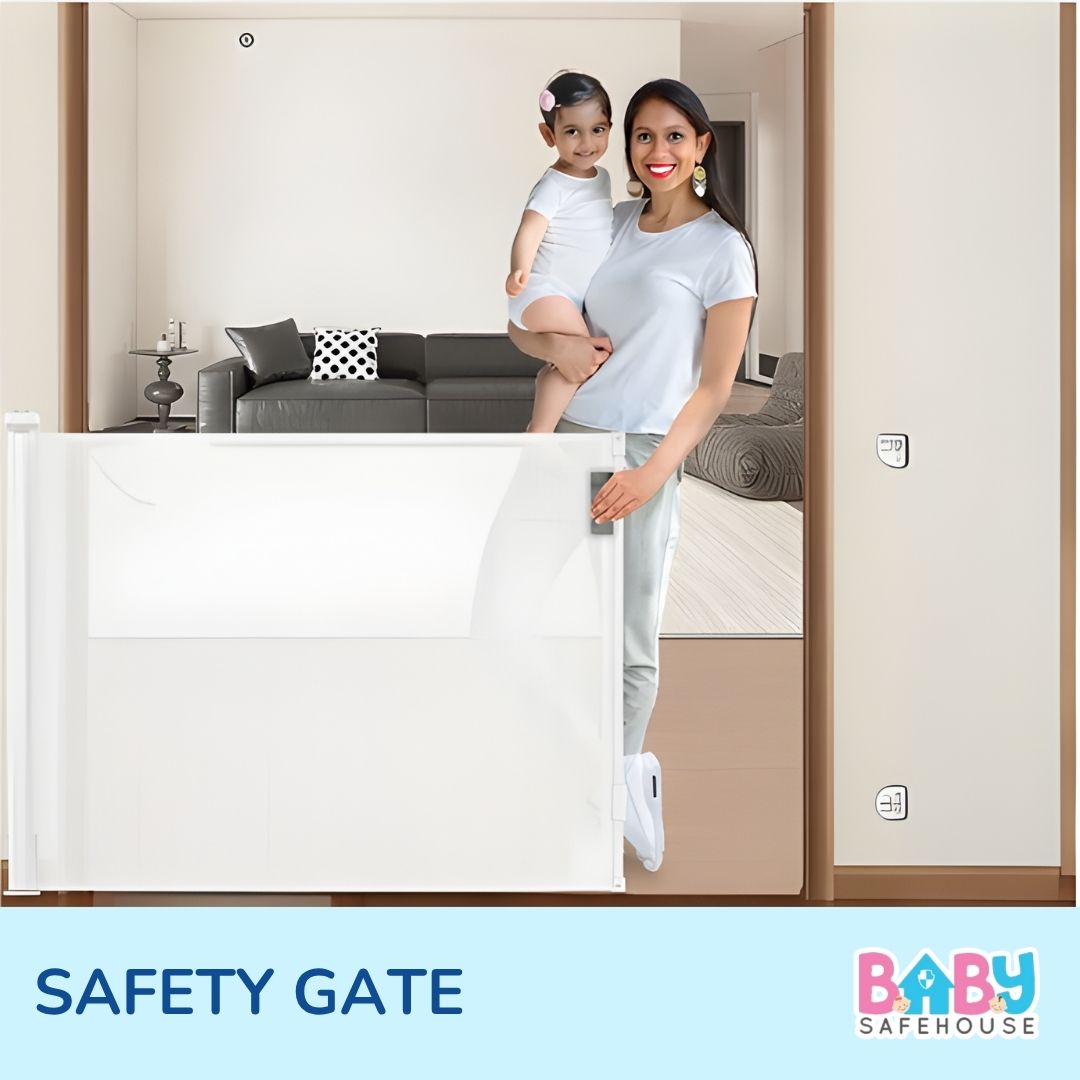
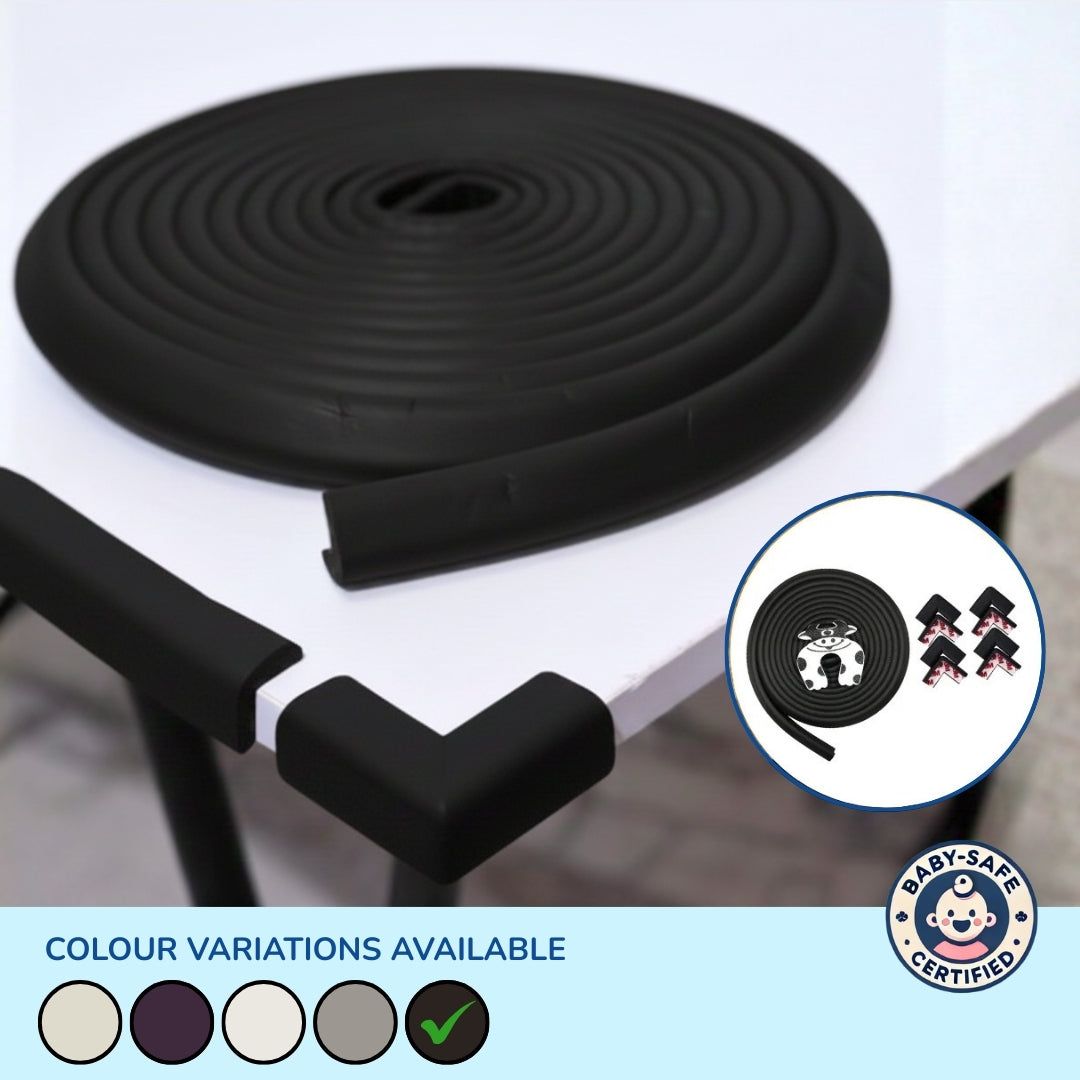
When parents start babyproofing their home, most products look similar online. Corner guards, cabinet locks, edge protectors, and door stoppers often appear identical in photos. But the real difference shows up after installation and daily use. That’s why many families compare BabySafeHouse baby safety products with generic baby safety products before making a final decision. The goal is not just to buy safety items, but to choose options that stay strong, look neat, and protect children in real home conditions.
Generic baby safety products may feel like a quick solution, but long-term safety depends on fit, durability, and how well the product performs when a baby starts crawling, pulling, and exploring.
Why Baby Safety Products That “look the Same” Don’t Perform the Same
Most parents assume baby safety items are basic. But even small differences in material quality and design can change results.
Generic baby safety products often fail because of:
-
Weak adhesive that comes off in humidity
-
Poor fit on Indian cabinets and drawers
-
Loose locks that babies learn to open early
-
Plastic edges that feel rough or sharp
-
Products that crack after repeated use
In comparison, BabySafeHouse baby safety products are usually selected with everyday home usage in mind. Parents want safety solutions that don’t need constant fixing or replacing.
What Generic Baby Safety Products Usually Miss
Generic products are often mass-produced, copied designs sold by many sellers. Some are useful, but consistency becomes a major issue.
Common problems with generic baby safety items
-
Same-looking products across multiple listings
-
Unclear information about materials and strength
-
Mixed reviews about durability and stickiness
-
Lack of installation clarity for first-time parents
When babyproofing is done with random generic items, the home can end up with products that work in some places but fail in important areas like kitchen cabinets and sharp table corners.
Babysafehouse vs Generic Baby Safety Products: The Real Difference
Parents don’t just want products that “stick.” They want products that stay reliable for months.
1) Designed for real homes, not perfect showroom surfaces
Indian homes often have a mix of surfaces, laminated wood, textured furniture, metal edges, and glossy cabinets. Generic products sometimes work only on smooth, clean surfaces. BabySafeHouse baby safety products are chosen to work better across common household setups. This matters because a safety lock that slips once can become a repeated risk.
2) Stronger daily performance in high-touch zones
Some areas are opened and closed multiple times a day. These zones need stronger solutions:
-
Kitchen drawers
-
Wardrobes
-
TV units
-
Bathroom cabinets
-
Storage cupboards
Generic products can weaken when used repeatedly. BabySafeHouse baby safety products are often preferred by parents who want long-term reliability without constant maintenance.
3) Better balance between child safety and adult convenience
A safety product should protect the child while still being easy for adults to use. Many generic locks become frustrating either too weak to stop the baby or too annoying for parents to open.
Parents like babyproofing that feels:
That’s where BabySafeHouse baby safety products create a smoother experience for daily home routines.
Quality Differences Parents Notice After a Week of Use
The true test begins after installation. Babies pull, chew, crawl, and explore. Parents also clean surfaces, open drawers, and adjust furniture.
Signs a safety product is actually dependable
-
Doesn’t peel off after cleaning
-
Stays fixed even when pulled
-
Doesn’t leave sharp corners exposed
-
Doesn’t wobble or loosen over time
-
Looks neat even after weeks of use
On the other hand, generic items often show early issues like lifting edges, loose grip, and breakage. Many parents shift to BabySafeHouse baby safety products after dealing with these repeated failures.
What Parents Should Check Before Buying Baby Safety Products
Buying babyproofing items should not be based only on discounts. Parents should look for product quality that supports daily use.
Quick checklist before choosing babyproofing essentials
-
Material should feel smooth and sturdy
-
Product should match the furniture type
-
Locks should resist toddler-level pulling
-
Adhesive should hold on common home surfaces
-
Reviews should mention long-term usage
-
Finish should blend with the home interior
Many families choose BabySafeHouse baby safety products because they want fewer trial-and-error purchases and more confidence from the start.
When Generic Baby Safety Products Can Still Work
Not every area needs premium babyproofing. Some generic products can be useful in low-risk situations.
Generic baby safety products may be okay for:
But for high-risk zones like sharp edges, heavy drawers, and kitchen cabinets, most parents prefer BabySafeHouse baby safety products because these areas need stronger protection.
Building a Safer Home Needs a System, Not One Product
Babyproofing works best when done in layers. A single lock or guard cannot cover every risk.
A practical home safety setup usually includes:
When these items are consistent and durable, parents feel more relaxed. That’s why many families prefer completing their babyproofing using BabySafeHouse baby safety products instead of mixing random generic items.
FAQ
Are BabySafeHouse baby safety products better than generic options?
Many parents prefer BabySafeHouse baby safety products because they feel more reliable, fit better on common furniture types, and last longer under daily use.
Why do generic baby safety products fail quickly?
Generic products often use weaker adhesive, lower-grade materials, or designs that don’t handle repeated pulling and opening. This can lead to peeling, cracking, or loosening.
Which areas need the strongest babyproofing?
Kitchen cabinets, drawers with tools, TV units, sharp table edges, and heavy doors usually need durable safety products because these areas carry higher risks.
How long should babyproofing last?
Babyproofing often stays useful from crawling stage to toddler stage. Parents usually need safety products that remain strong for months, not days.
Conclusion
The difference between BabySafeHouse and generic baby safety products becomes clear when parents focus on durability, fit, and daily performance. Generic products may look similar, but real home usage can expose weak adhesive, loose locks, and poor finishing. Families who want dependable babyproofing that stays secure across everyday surfaces often choose BabySafeHouse baby safety products for better confidence and long-term safety. In the end, BabySafeHouse supports parents who want protection that feels consistent, practical, and built for real life.