The moment a baby comes home, everyday spaces begin to feel very different. A table edge looks sharper, a loose wire feels closer, and cabinets suddenly seem more tempting even before a baby can move. Many parents wonder when to start baby proofing, but the real answer lies in understanding how quickly babies develop. Safety planning works best when it evolves step by step, matching each stage of growth rather than waiting for problems to appear.
Why Timing Matters in Baby Proofing
Baby proofing is not a one-time task. Babies grow rapidly, often mastering new skills without warning. Rolling, crawling, standing, and climbing can all happen within a short span of months. Homes that feel safe one week can suddenly become risky the next.
From a third-person parenting lens, families who approach baby proofing in phases tend to feel more in control. They focus on real risks at each age rather than overdoing everything at once or delaying until accidents happen.
0–2 Months: Preparation Without Pressure
Newborns don’t move independently, but this stage is perfect for planning.
What parents usually do at this point:
-
Observe each room from a safety perspective
-
Identify heavy furniture that may need anchoring later
-
Decide which areas will eventually be off-limits
There’s no urgency to install gates or locks yet, but thinking early about when to start baby proofing reduces stress in the months ahead.
3–4 Months: Rolling Arrives Unexpectedly
Rolling is often the first big surprise for parents. Babies may roll over suddenly, even if they haven’t done it before.
Smart safety habits during this stage include:
-
Never leaving babies unattended on beds or sofas
-
Using secure changing areas with non-slip surfaces
-
Keeping floors free from small, loose items
This is also a good time to tidy cords, chargers, and blind strings that could soon become reachable.
5–6 Months: Reaching, Sitting, and Curiosity
As babies begin sitting with support and reaching for nearby objects, their curiosity grows quickly.
Important baby proofing steps now:
-
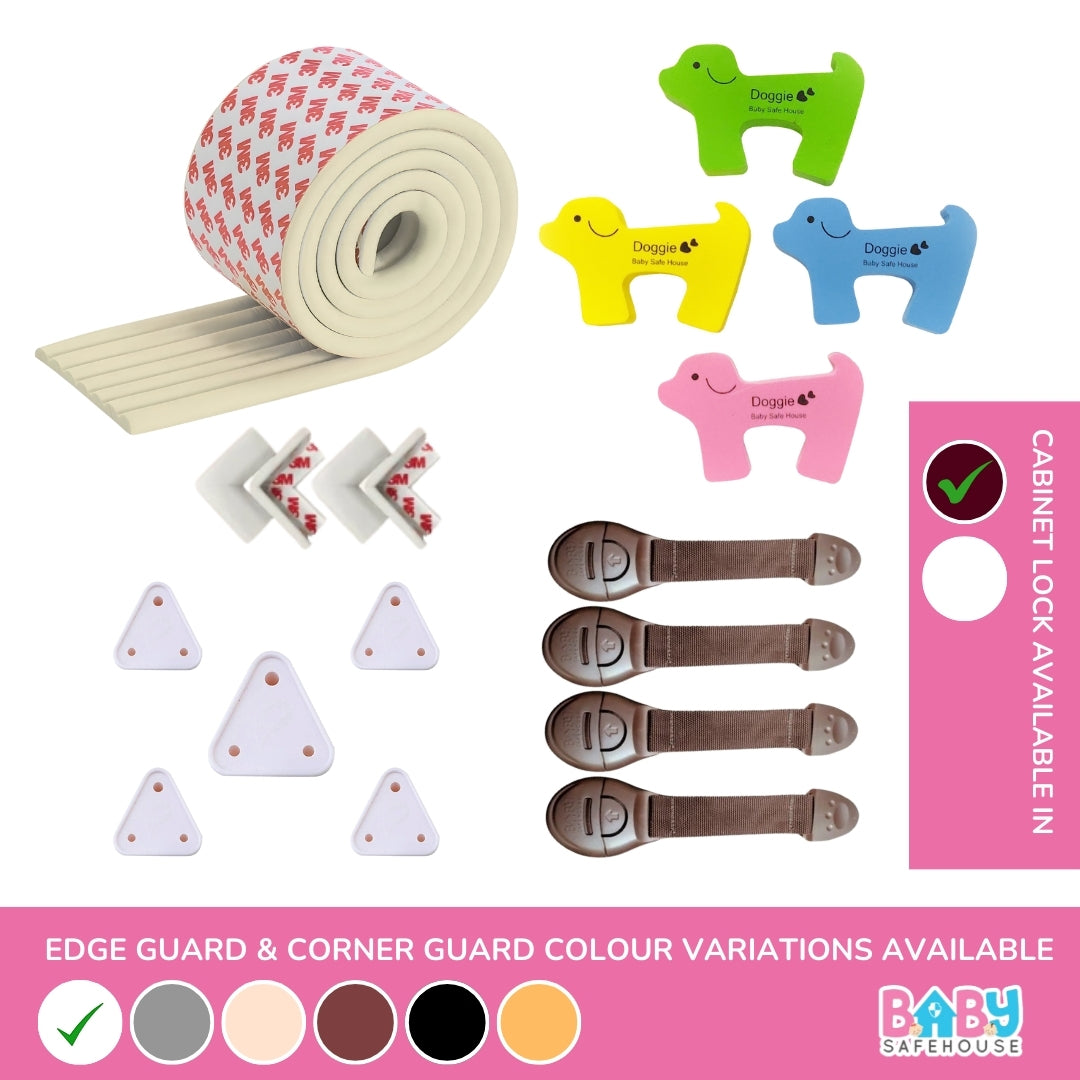
Install outlet covers in rooms the baby uses most
-
Move sharp, fragile, or heavy objects out of reach
-
Secure cleaning supplies and medicines
Parents who delay these steps often find themselves constantly intervening instead of letting the baby explore safely.
7–8 Months: Crawling Changes the Game
Crawling is when baby proofing becomes essential. Babies can suddenly access corners, cabinets, and cords adults rarely notice.
Key safety actions at this stage:
-
Add safety latches to lower cabinets and drawers
-
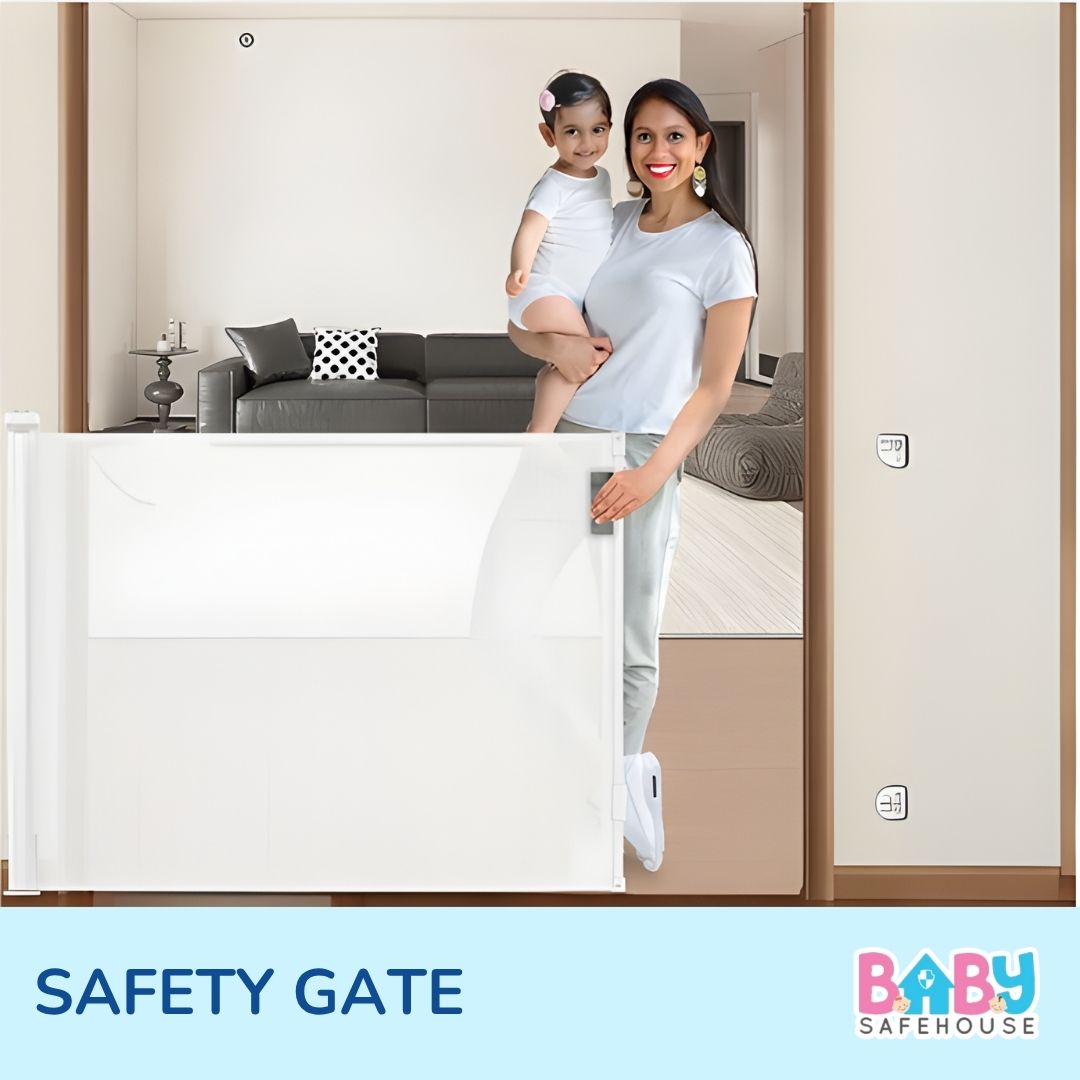
Install baby gates near stairs or restricted rooms
-
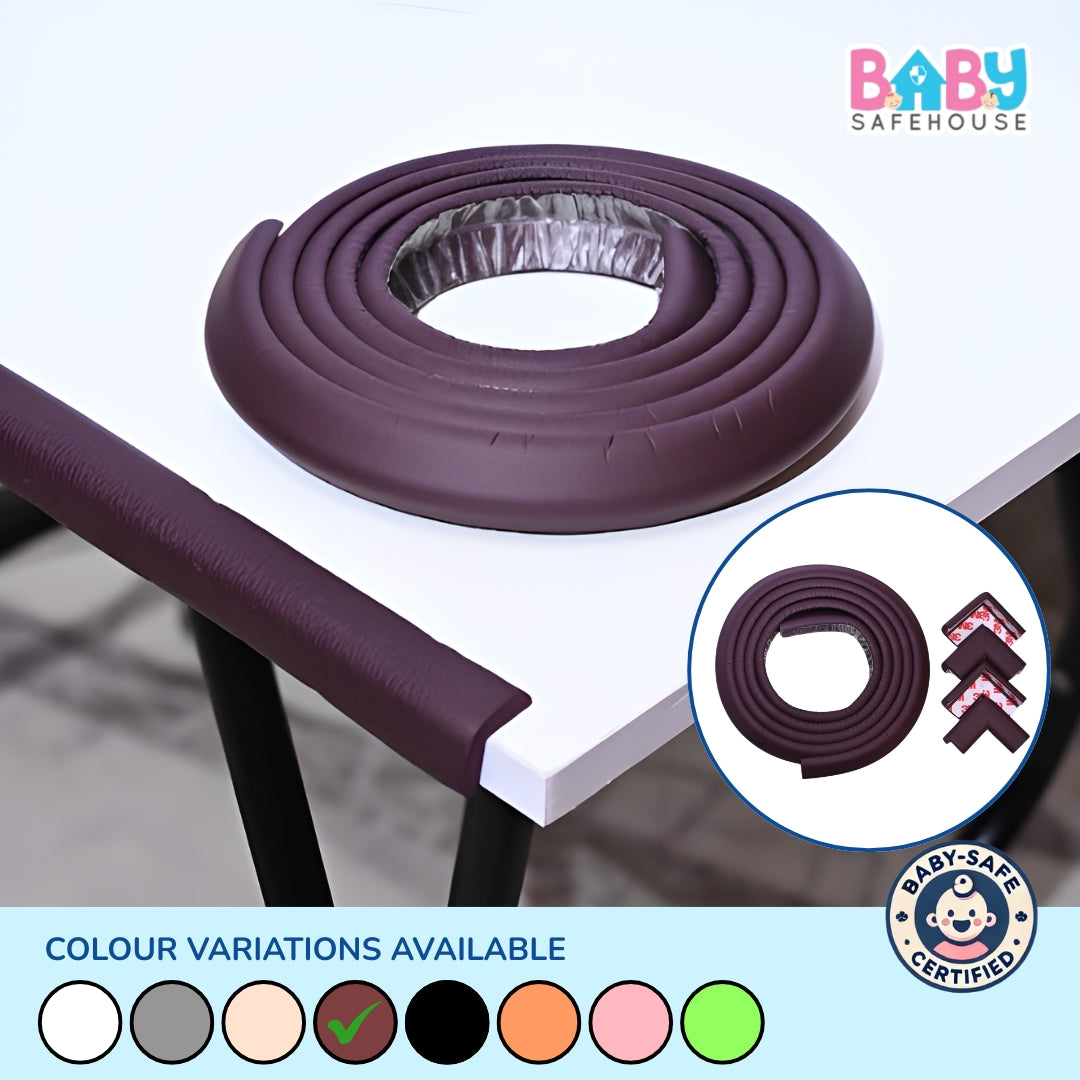
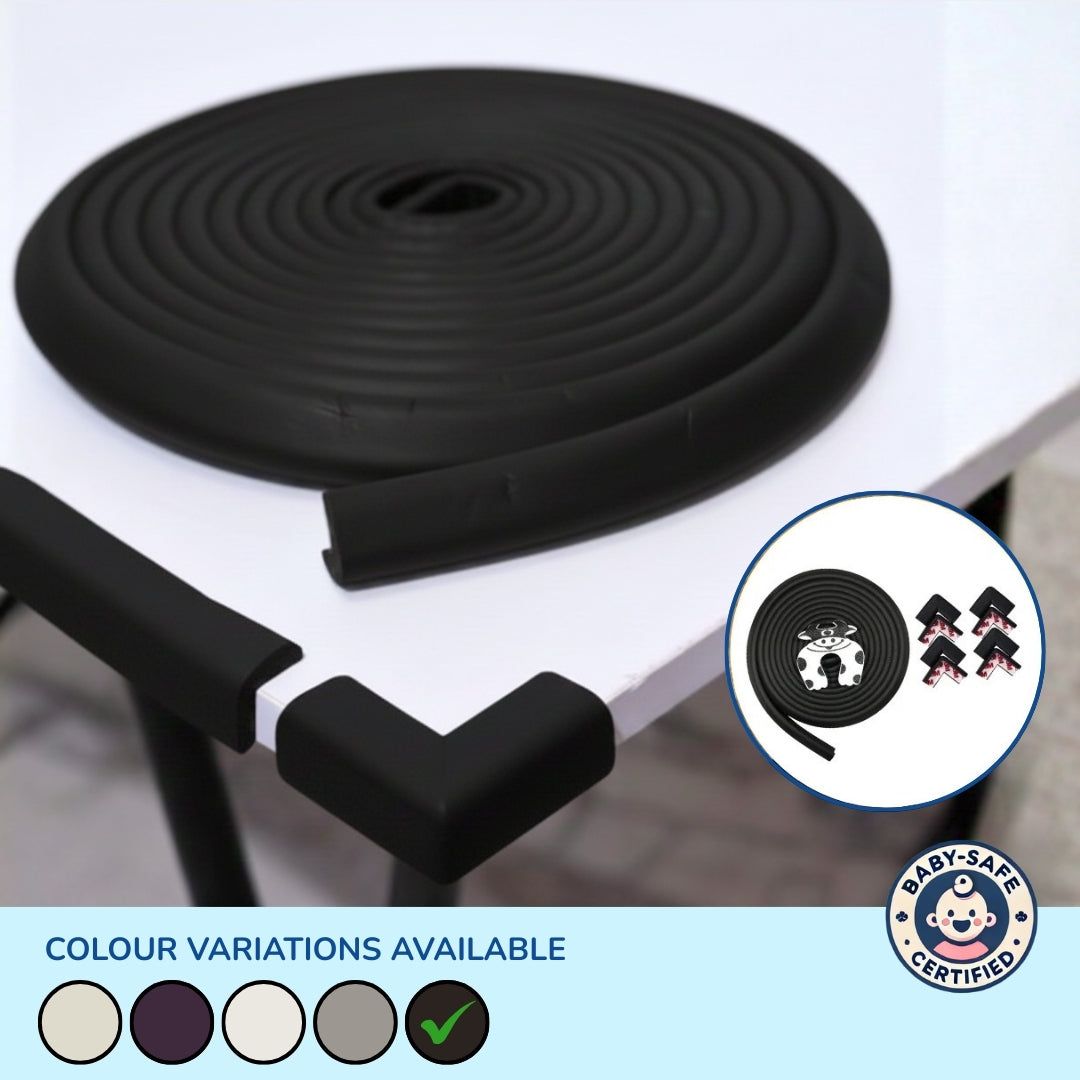
Cover sharp furniture edges
For many families, this stage clearly answers when to start baby proofing ideally, before crawling begins.
9–10 Months: Standing and Furniture Risks
Babies now pull themselves up and begin moving while holding onto furniture.
What parents should focus on:
-
Anchoring bookshelves, wardrobes, and TVs
-
Removing tablecloths that can be pulled down
-
Lowering crib mattresses
Falls are common during this phase, so keeping walkways clear and floors padded can reduce injuries.
11–12 Months: Walking, Climbing, Exploring
As babies start walking, they gain access to more areas and higher surfaces.
Additional safety measures include:
-
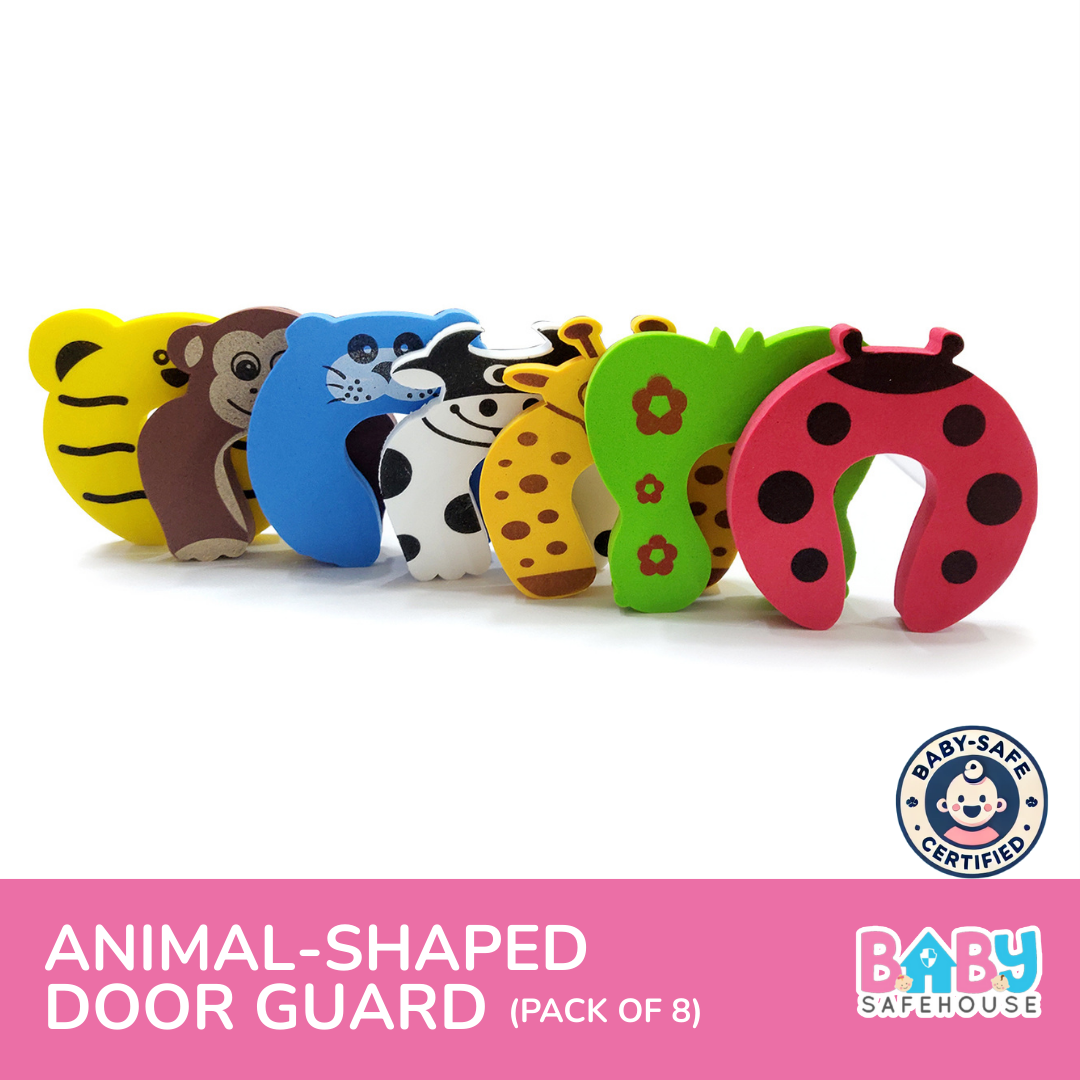
Door stoppers to protect fingers
-
Locks for refrigerators, trash bins, and drawers
-
Securing balcony doors and windows
Baby proofing now requires regular updates, as mobility increases almost weekly.
Room-Based Baby Proofing Essentials
Many parents find it easier to think in terms of rooms rather than ages.
Living Area
Kitchen
Bathroom
Bedroom and Nursery
-
Use a safety-approved crib
-
Keep cords and monitors out of reach
-
Avoid hanging heavy items above sleeping areas
Baby Proofing Mistakes to Avoid
From a broader parenting perspective, a few common patterns appear:
-
Waiting for a near-miss or injury before acting
-
Assuming a baby cannot reach something yet
-
Forgetting to update safety measures as skills grow
Understanding when to start baby proofing also means accepting that it’s an ongoing process, not a one-time setup.
Frequently Asked Questions
When should parents ideally begin baby proofing?
Most parents benefit from starting basic safety preparations around 3–4 months, before mobility begins.
Is it possible to baby proof too early?
Planning early is helpful, but installing everything at once may be unnecessary. Timing should match development.
Should the whole house be baby proofed at once?
No. Focus first on areas your baby uses daily and expand gradually.
How often should safety measures be reviewed?
Every couple of months or after a new milestone like crawling or walking.
Conclusion
Knowing when to start baby proofing isn’t about following a strict timeline. It’s about staying slightly ahead of your baby’s abilities. Babies learn fast, and their curiosity often outpaces expectations. Homes that adapt along the way allow children to explore while giving parents peace of mind.
By approaching safety step by step, families create environments that grow with their child. For parents looking for thoughtful guidance and reliable safety solutions, BabySafeHouse supports safer homes designed for every stage of early childhood.