Babies grow fast, and so does their curiosity. What starts as simple head turns soon becomes crawling, pulling, climbing, and grabbing anything within reach. Inside Indian homes where daily life includes open kitchens, floor seating, water storage, and electrical extensions these innocent movements can lead to baby home accidents if safety is overlooked. Knowing where risks exist and how to reduce them helps families create a safer environment during a baby’s early years.
Why Baby Home Accidents Happen So Often
Homes are designed for adults, not babies. Many hazards appear ordinary to grown-ups but are dangerous to infants who lack balance, coordination, and judgment. In India, additional factors such as joint families, multiple caregivers, and traditional home layouts can make consistent safety practices harder to maintain.
Some common reasons accidents occur:
-
Everyday objects are within easy reach
-
Safety measures change as babies grow, but homes don’t
-
Caregivers assume “nothing will happen”
-
Short moments of distraction
Most Common Baby Home Accidents in Indian Households
Falls From Height
Falls are one of the leading causes of baby home accidents. Babies can roll off beds, slip while standing, or lose balance near stairs.
Typical fall locations include:
-
Beds and sofas without barriers
-
Staircases without child gates
-
Slippery tiled floors
-
Balconies and open terraces
How to reduce fall risks:
-
Never leave babies alone on raised surfaces
-
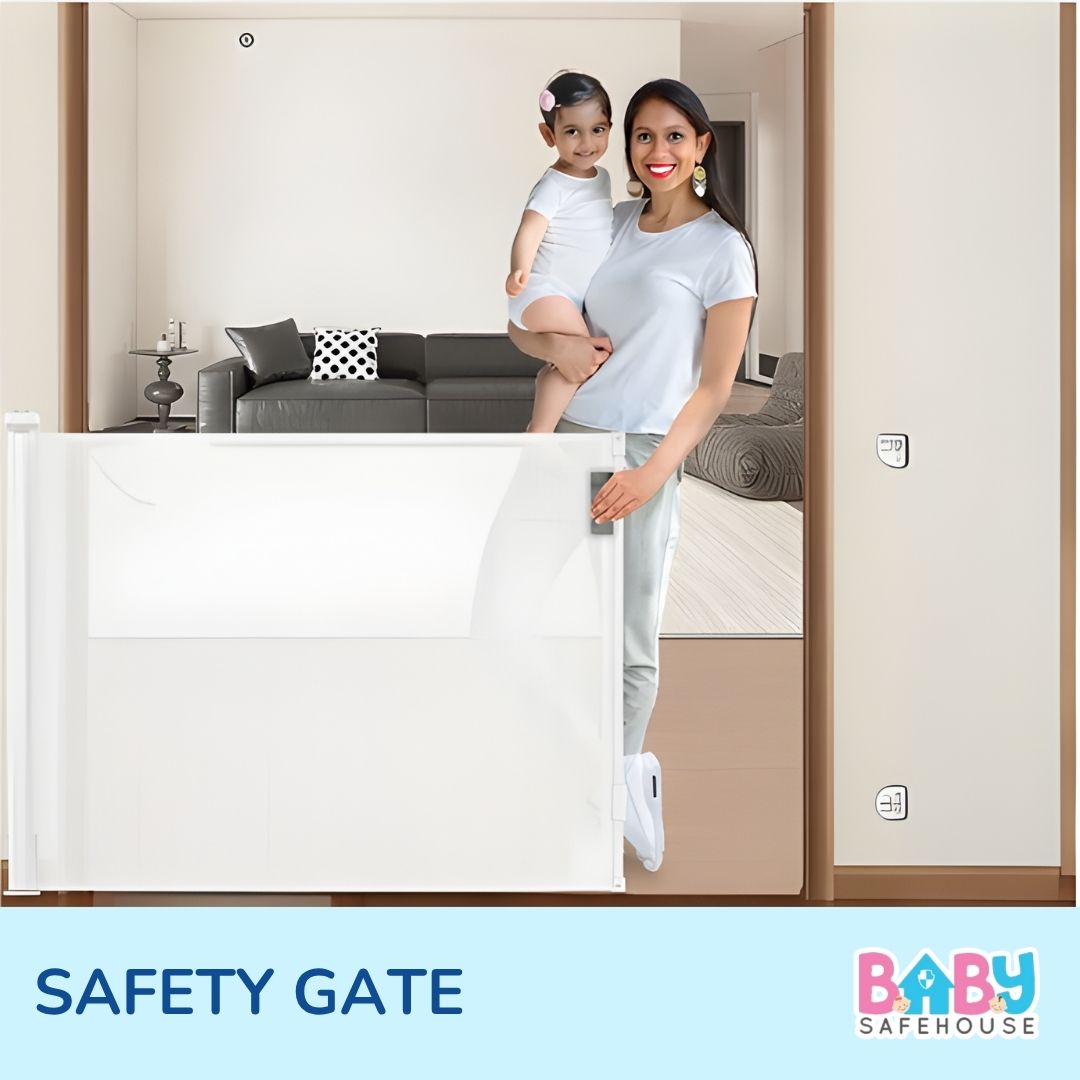
Install safety gates near stairs
-
Use floor mats where babies practice walking
-
Ensure balcony railings are secure
Burns and Heat-Related Injuries
Heat injuries are common due to daily cooking and hot liquids in Indian homes. A spilled cup of tea or a hot pressure cooker lid can cause serious harm.
Common sources of burns:
-
Hot food and beverages
-
Gas stoves and induction plates
-
Irons, kettles, and heaters
Prevention steps:
-
Keep babies away from cooking areas
-
Turn pan handles inward while cooking
-
Avoid holding a baby while handling hot items
-
Let appliances cool before storage
Choking and Airway Blockage
Babies naturally explore objects by mouth. Small items easily found at home can quickly block airways.
Frequent choking hazards:
Safety practices:
-
Keep floors free from small objects
-
Offer age-appropriate food textures
-
Supervise feeding at all times
-
Avoid loose bedding and soft pillows
Poisoning From Household Items
Poisoning is a serious but preventable form of baby home accidents. Many toxic substances are stored without child safety in mind.
High-risk items include:
Prevention tips:
-
Store all chemicals in locked cabinets
-
Keep medicines out of sight
-
Never store chemicals in food containers
-
Dispose of unused products safely
Water-Related Accidents
Babies can drown in surprisingly small amounts of water. Buckets, tubs, and bathrooms are often overlooked danger zones.
Common water risks at home:
-
Buckets filled for cleaning
-
Bathroom tubs and open toilets
-
Water drums and containers
How to stay safe:
-
Empty buckets immediately after use
-
Always supervise bath time
-
Keep bathroom doors closed
-
Use toilet lid locks if possible
Electrical Shocks and Injuries
Exposed sockets and loose wires are attractive to babies who love to poke and pull.
Electrical hazards include:
Prevention measures:
-
Use socket covers in every room
-
Secure loose wires
-
Regularly check appliances
-
Keep chargers unplugged when not in use
Making Your Home Safer as Your Baby Grows
Baby safety is not static. A home that feels safe for a newborn may become risky once crawling and walking begin.
Practical safety habits:
-
Regularly scan rooms from a baby’s height
-
Adjust safety measures after every milestone
-
Create designated play areas
-
Ensure all caregivers follow the same rules
Small, consistent actions often prevent big accidents.
Everyday Safety Mistakes Parents Often Make
-
Assuming supervision alone is enough
-
Delaying baby-proofing until walking begins
-
Keeping medicines “temporarily” within reach
-
Believing accidents only happen in large homes
Most baby home accidents occur during routine moments, not emergencies.
Frequently Asked Questions
What type of home accident affects babies most?
Falls are the most common, followed by burns, choking, poisoning, and water-related incidents.
At what age should baby-proofing start?
Basic safety measures should begin before the baby starts crawling, usually around 4–6 months.
Are baby home accidents preventable?
Most accidents can be avoided with awareness, supervision, and simple safety changes.
Is baby-proofing expensive?
Many effective measures involve habit changes rather than costly products.
How often should safety checks be done?
Every few months, and immediately after new developmental milestones.
Conclusion
Baby home accidents are not caused by neglect; they often happen because everyday surroundings are not built for tiny explorers. Indian homes, with their unique routines and structures, need thoughtful safety planning that grows along with the baby. When families stay alert, update safety habits regularly, and remove common hazards, homes become spaces where babies can explore with confidence instead of risk.
Creating a safer home is an ongoing responsibility, and support matters. BabySafeHouse represents the idea that prevention begins with awareness and continues through everyday choices that protect a child’s earliest steps in life.