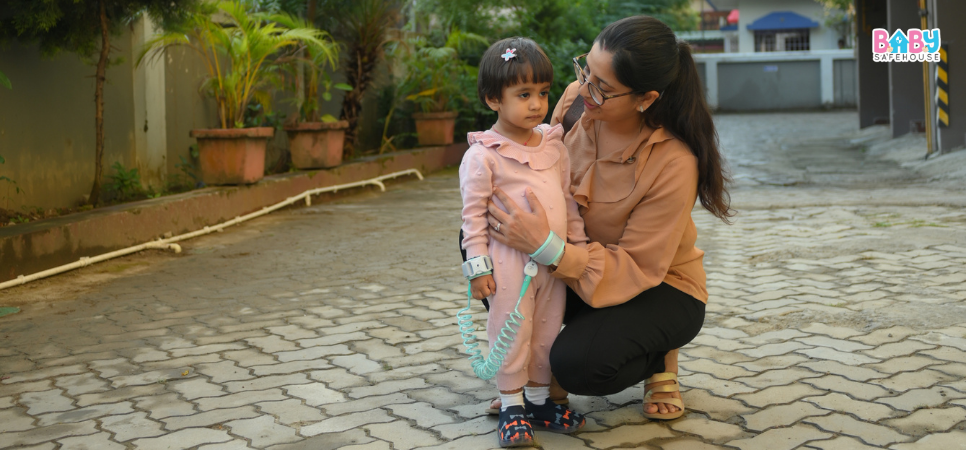
Welcoming a baby into an Indian household brings joy, excitement, and a sudden realization- Homes designed for adults are full of hidden risks for little explorers. From open kitchens to low electrical sockets and heavy doors, everyday spaces can quickly become unsafe. The good news is that budget baby proofing in India doesn’t require expensive renovations or imported gadgets. With thoughtful planning, simple tools, and smart habits, families can create a safer environment without stretching their finances.
This practical guide, focuses on affordable, India-specific baby safety ideas that actually work in real homes whether it’s a 1BHK apartment or a joint family house.
Why Budget-Friendly Baby Proofing Matters in Indian Homes
Indian homes are unique. Many have open balconies, floor-level seating, multiple storage units, and frequent movement of family members. Babies grow fast, and spending heavily on safety products that may be used for a short time doesn’t always make sense.
Budget-conscious baby proofing helps families:
-
Prioritize high-risk areas instead of over-buying
-
Use locally available and reusable solutions
-
Balance safety with everyday convenience
-
Stay prepared as the baby grows and mobility increases
The idea is not perfection, but prevention.
Room-by-Room Baby Safety Ideas That Don’t Cost Much
Living Room Safety on a Budget
Living rooms often double as play areas, making them a top priority.
Affordable steps include:
-
Securing loose carpets with anti-slip mats or double-sided tape
-
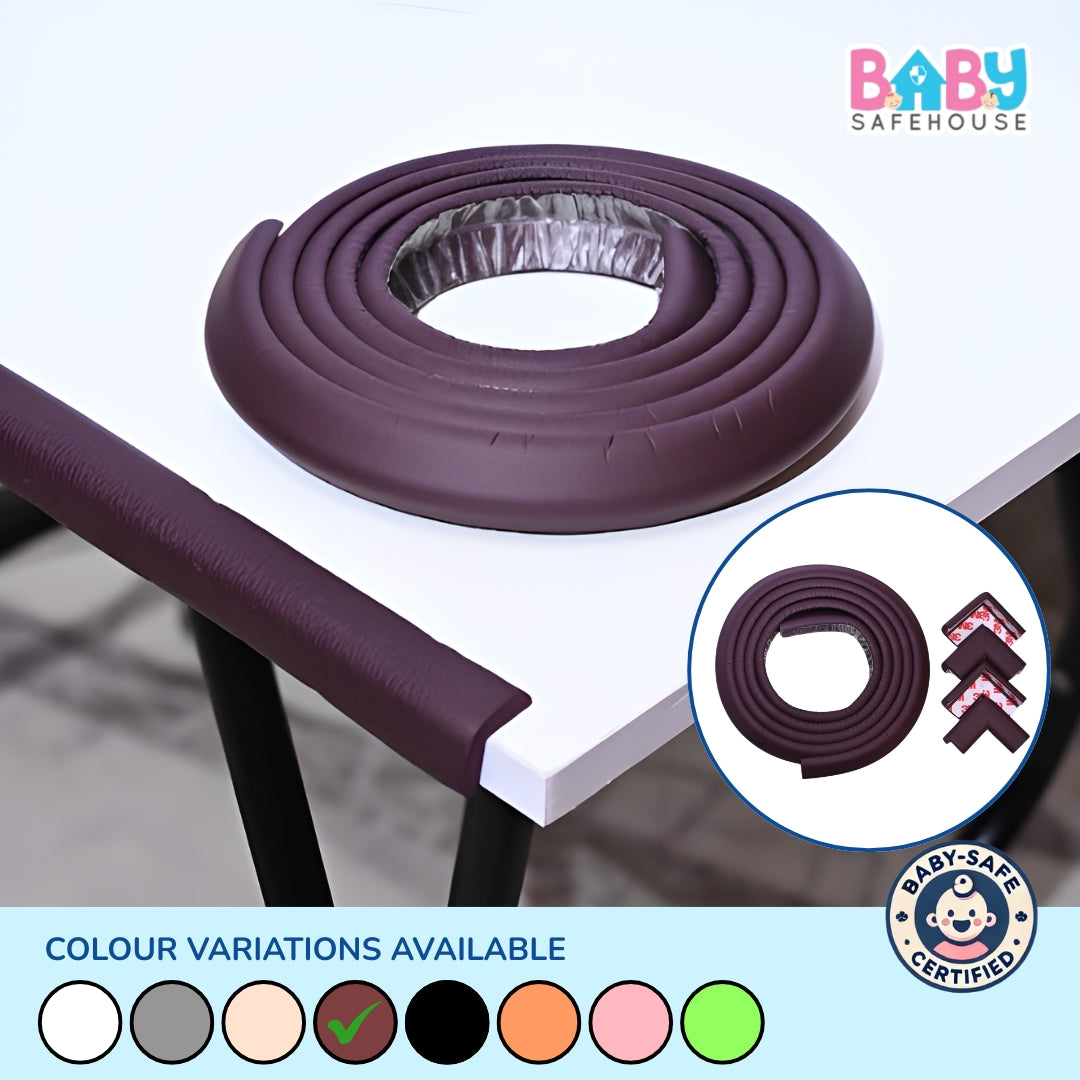
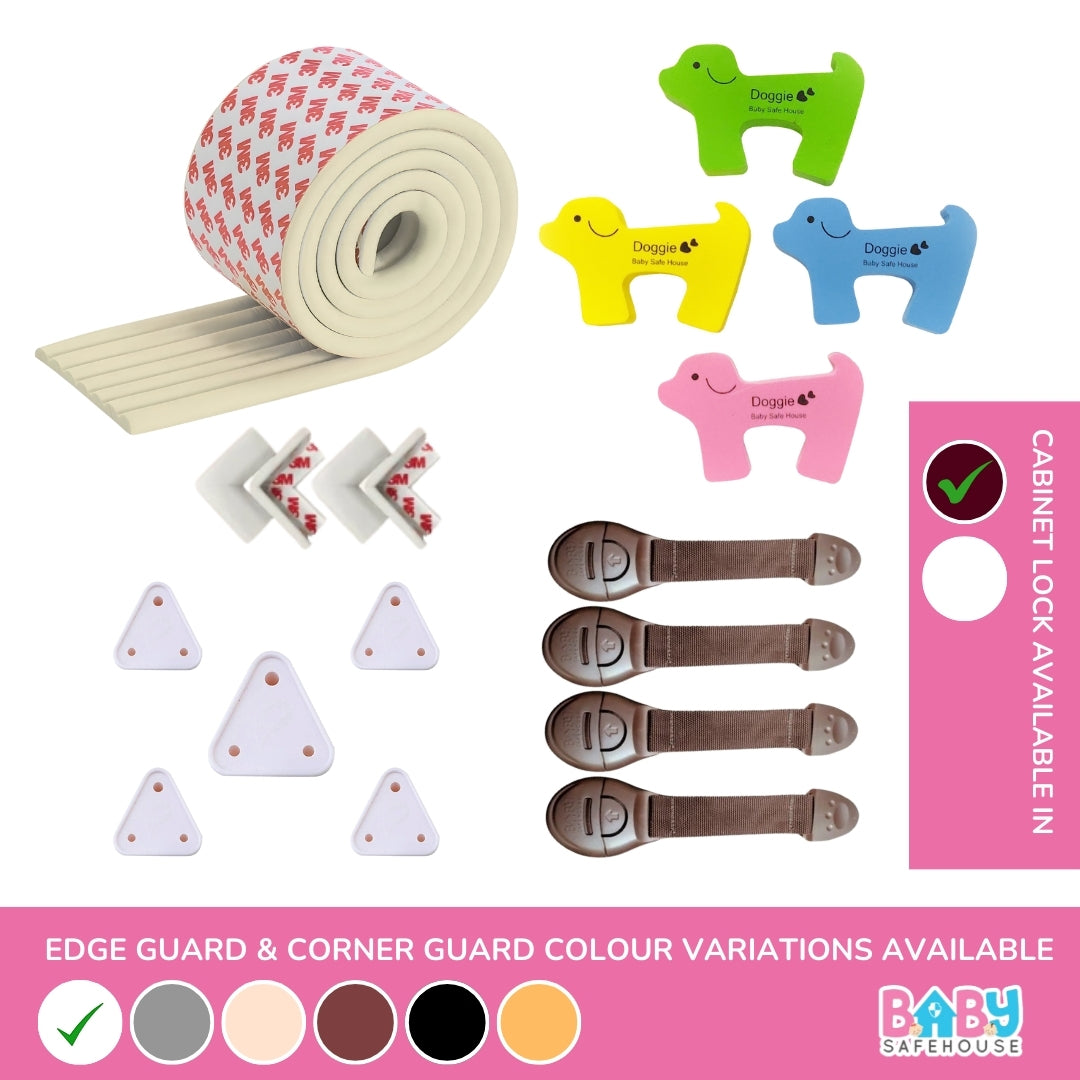
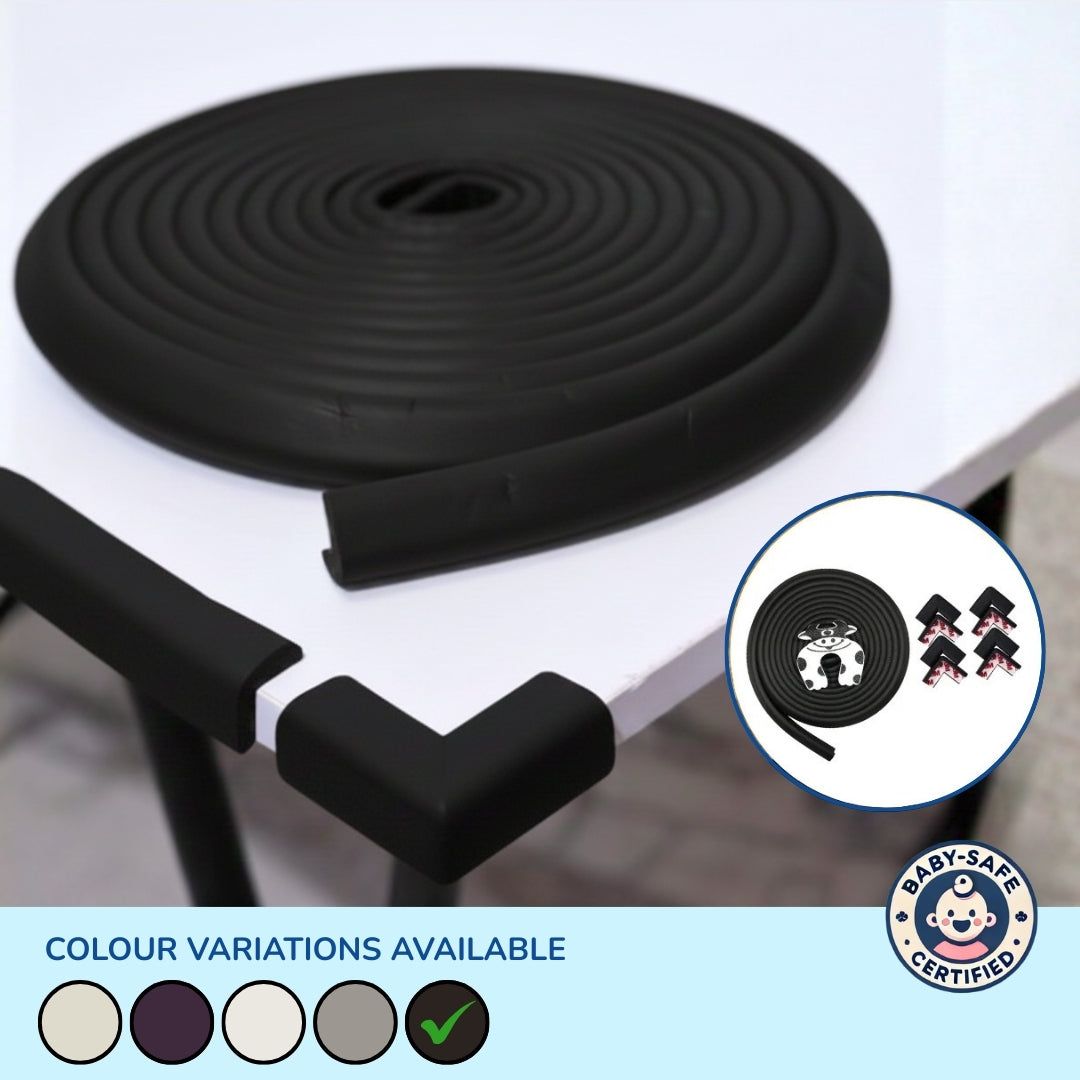
Using corner guards on low tables (foam or silicone options are budget-friendly)
-
Keeping remote controls, chargers, and small décor items out of reach
-
Blocking access to TV units using simple safety latches or repositioning furniture
Many Indian families already sit on the floor adding a soft play mat provides both comfort and impact protection.
Kitchen Safety Without Major Changes
Kitchens are full of hazards, but smart organization can reduce risks.
Low-cost kitchen safety ideas:
-
Store knives and utensils in higher cabinets
-
Use cabinet locks only on drawers with sharp or heavy items
-
Turn pot handles inward while cooking
-
Avoid leaving gas lighters or matchboxes on counters
-
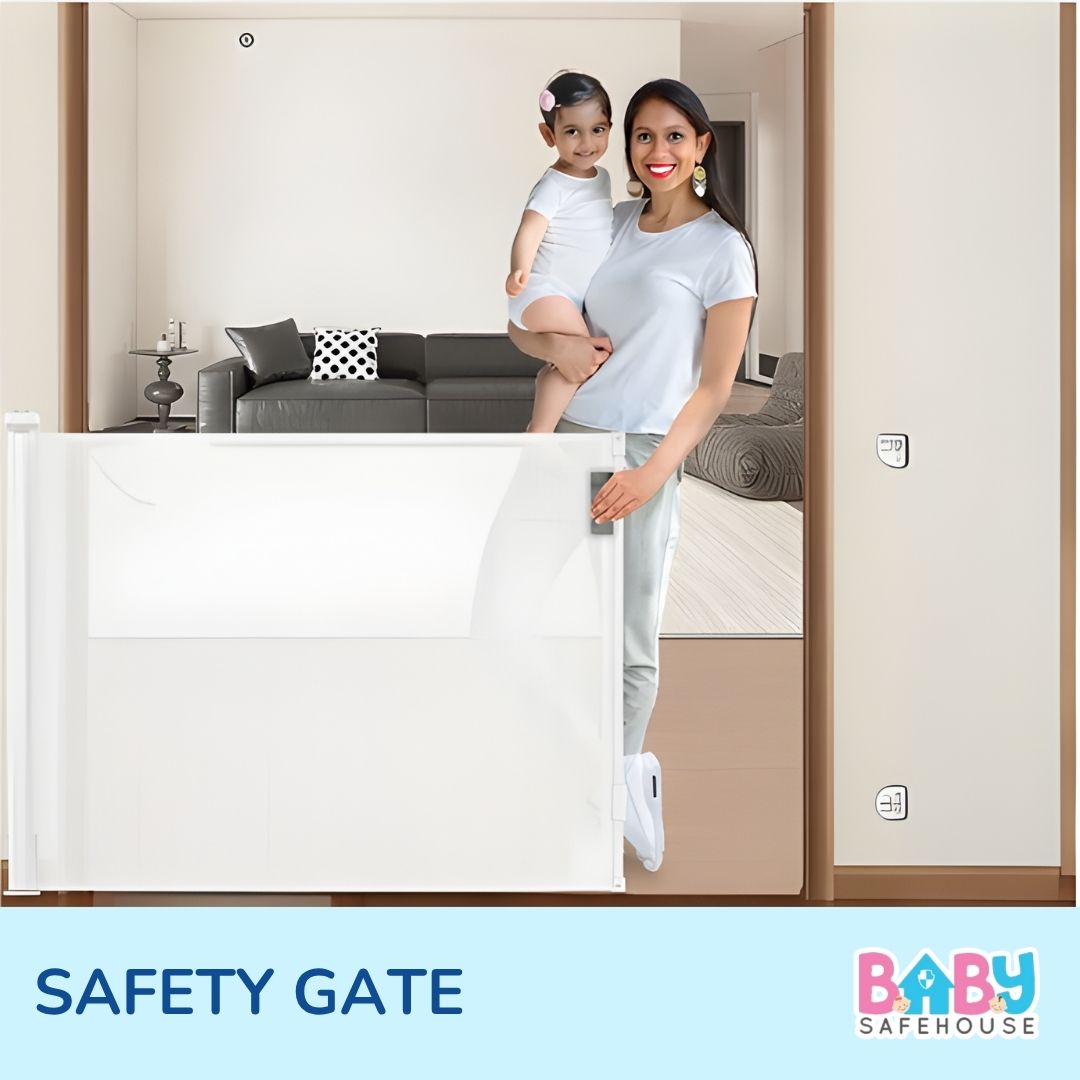
Create a visual boundary using a foldable safety gate or even furniture placement
For families with open kitchens, supervision combined with selective locking works better than locking everything.
Bedroom and Sleeping Area Safety
Bedrooms may feel safe, but small adjustments make a big difference.
Simple safety tips:
-
Use door stoppers to prevent sudden slams
-
Keep beds free from pillows and loose blankets for infants
-
Tie blind cords and curtain strings out of reach
-
Avoid placing stools or chairs near windows
As babies begin to stand, wall corners and low shelves should be padded using affordable guards.
Bathroom Safety That Fits Indian Households
Bathrooms are slippery and often overlooked during baby proofing.
Budget-friendly precautions:
-
Use non-slip mats inside and outside the bathroom
-
Keep buckets empty when not in use
-
Store cleaning liquids in locked or higher cabinets
-
Keep toilet lids closed using simple toilet locks
Most accidents happen due to water and slips, not fixtures so floor safety matters most.
Electrical and Door Safety at Low Cost
Electrical sockets are usually at low height in Indian homes, making them accessible to crawling babies.
Affordable fixes include:
-
Socket covers or plug guards
-
Covering unused extensions and power strips
-
Taping loose wires along walls
For doors:
-
Install hinge guards or door finger protectors
-
Use door stoppers to avoid pinched fingers
-
Keep rarely used doors closed with simple latches
These are one-time purchases that offer long-term peace of mind.
DIY Baby Proofing Hacks That Actually Work
Not every solution needs to be store-bought. Many families successfully use DIY ideas such as:
-
Rolling towels placed at door bottoms to prevent access
-
Using storage boxes to block open shelves
-
Velcro straps to secure light furniture temporarily
-
Rearranging furniture to create safe play zones
These hacks are especially useful during short visits to grandparents’ homes.
How to Prioritize When Baby Proofing on a Budget
Rather than buying everything at once, families can follow a simple priority order:
-
First focus on fall risks and electrical hazards
-
Next address sharp edges and storage access
-
Finally, manage doors, windows, and balconies
Baby proofing should evolve with the child’s growth from crawling to walking and climbing.
Common Budget Baby Proofing Mistakes to Avoid
Many parents overspend or misjudge risks. Frequent mistakes include:
-
Buying safety products before understanding the baby’s movement stage
-
Locking every drawer instead of only risky ones
-
Ignoring supervision as a safety tool
-
Assuming one-time proofing is enough
The safest homes combine smart products with attentive habits.
Frequently Asked Questions
-
Is budget baby proofing India effective compared to expensive products?
Yes. Effectiveness depends on correct placement and consistency, not price.
-
At what age should baby proofing start?
Ideally before the baby starts crawling, around 5–6 months.
-
Can baby proofing be temporary in rented homes?
Absolutely. Many solutions like adhesive locks and guards are renter-friendly.
-
Do Indian homes need different baby proofing than Western homes?
Yes. Floor seating, open kitchens, and balconies require India-specific planning.
A Practical Way Forward
Baby proofing doesn’t need to feel overwhelming or expensive. Indian families who focus on real risks, reuse solutions, and adapt as their child grows can create a safe home without overspending. Thoughtful choices, everyday awareness, and selective safety tools go a long way in protecting curious little minds.
For parents looking to start smart and stay practical, BabySafeHouse supports safer homes by encouraging affordable, realistic baby safety practices that fit Indian lifestyles because every child deserves a safe space to grow, explore, and thrive.