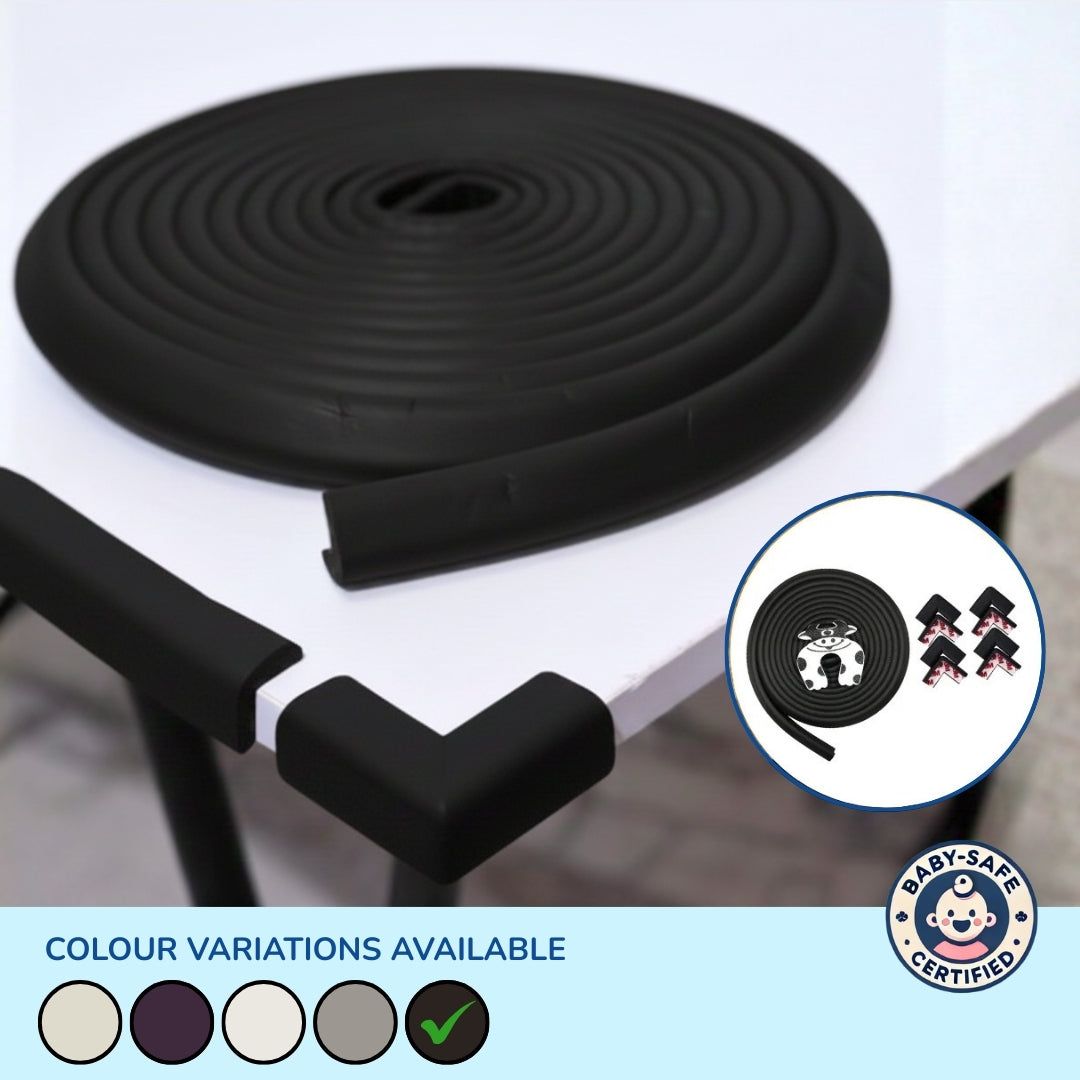
Becoming a parent often brings a quiet shift in how a home is experienced. What once felt ordinary now feels full of small details that matter. Corners, doors, drawers, and daily routines suddenly carry new meaning. Baby safety essentials naturally become part of home planning, not out of fear, but out of care. As babies grow from lying still to crawling and walking, a thoughtfully prepared home supports curiosity while reducing everyday risks. The right baby safety essentials allow parents to feel confident as their child explores the world one small step at a time.
Why Baby Safety Essentials Are a Practical Need, Not an Overreaction
Many first-time parents assume safety adjustments can wait until a baby starts walking. In reality, babies surprise adults with how quickly they move and reach. Pediatric observations consistently show that most home injuries happen during routine moments, not extreme situations. Baby safety essentials quietly reduce risk during those ordinary moments.
From an observational point of view, homes designed for adults unintentionally expose babies to hazards such as sharp edges, accessible drawers, and unstable doors. Baby safety essentials help bridge that gap without changing the character of the home.
Understanding Baby Safety Essentials by Daily Use Areas
Door and Finger Protection
Doors are used countless times each day, often without a second thought. Once babies begin crawling or walking, fingers naturally find their way into door gaps and hinges.
Practical baby safety essentials in this area include:
-
Door guards that prevent sudden slamming
-
Soft door stoppers that keep doors safely ajar
-
Hinge guards that cover narrow pinch points
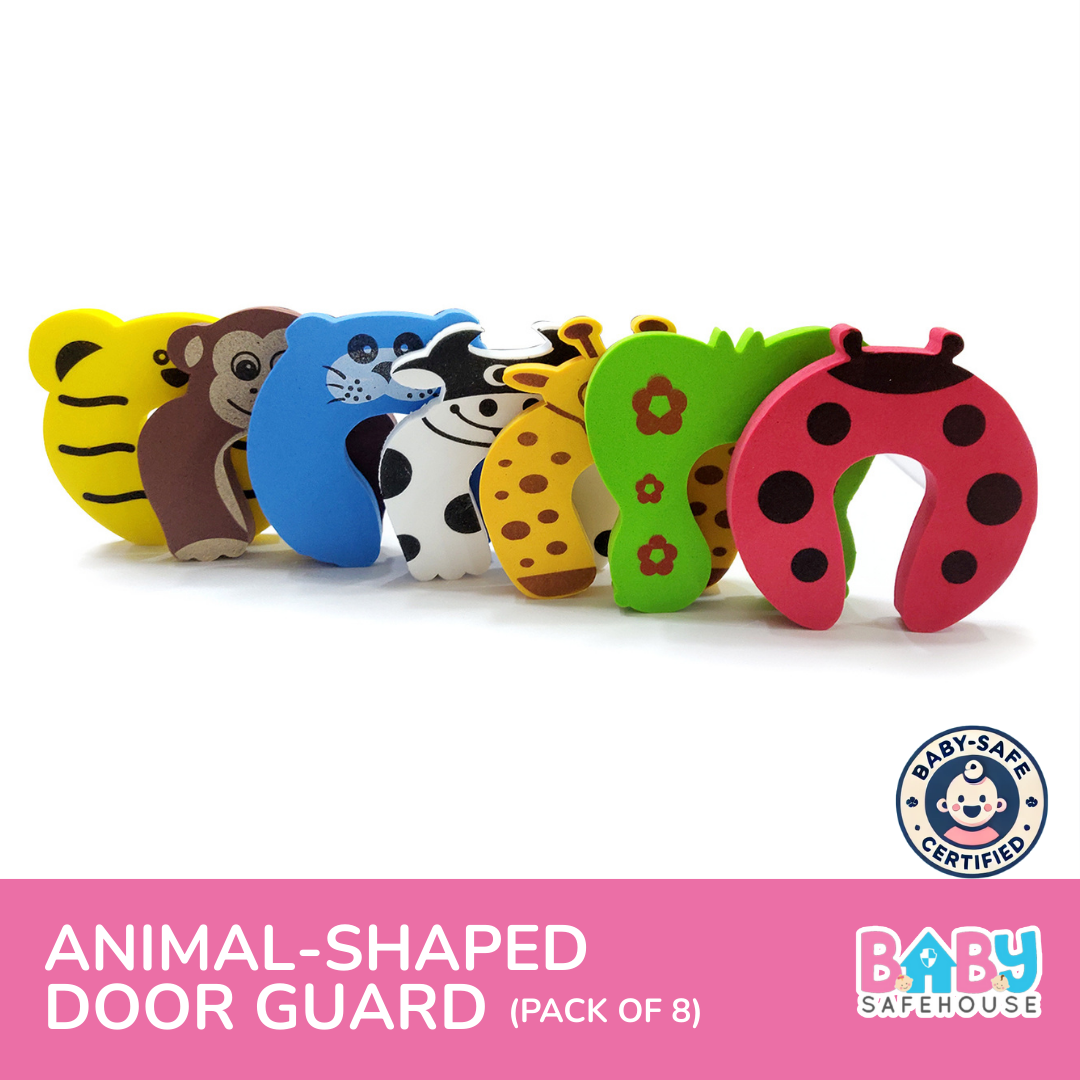
Products like animal-shaped door guards or transparent hinge covers, commonly found in BabySafeHouse collections, are designed with both function and visual softness in mind. They protect fingers while blending naturally into home interiors rather than looking industrial.
Cabinets, Drawers, and Storage Areas
As soon as babies start crawling, cabinets and drawers become irresistible. They open easily, sit at eye level, and often store unsafe items.
Essential safety measures include:
-
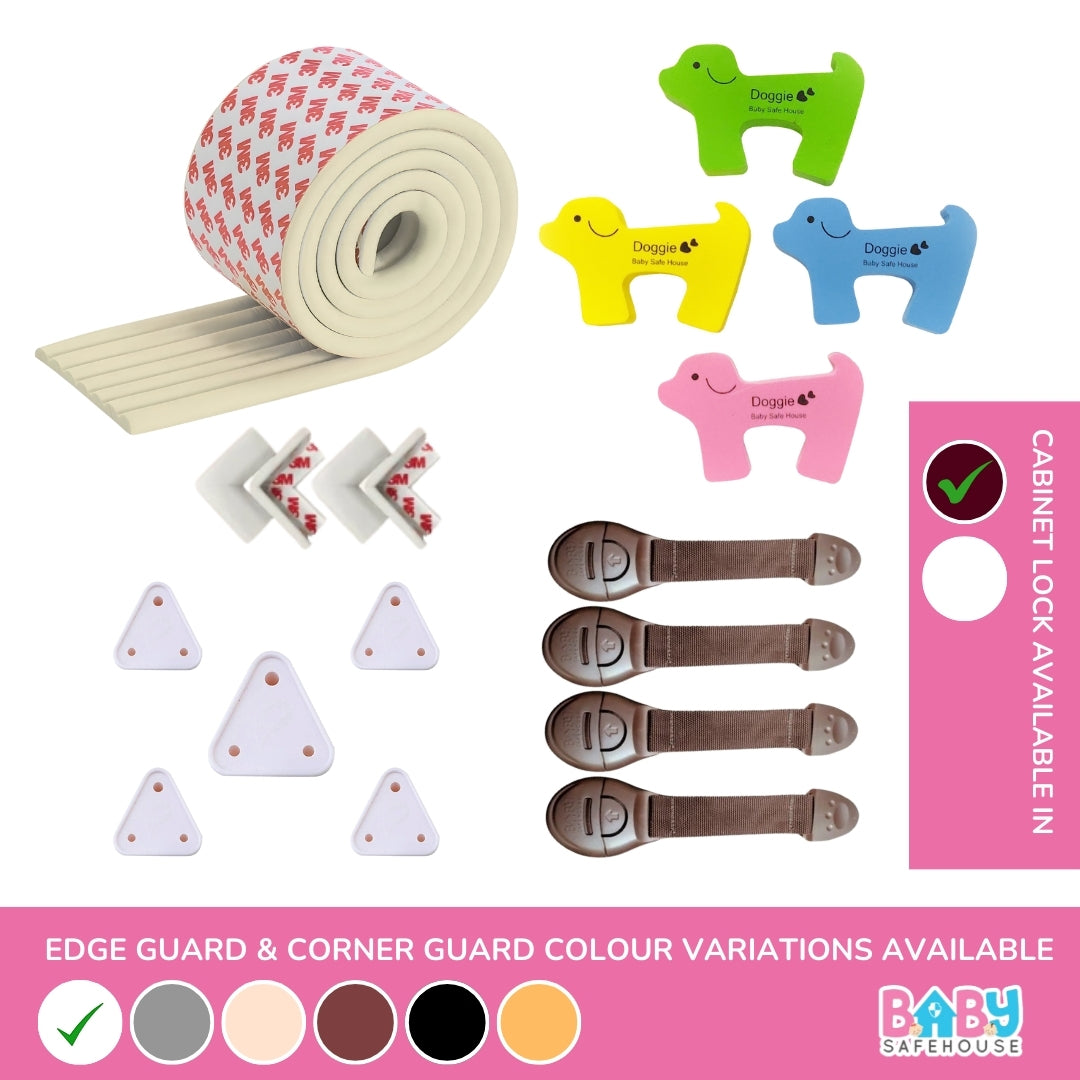
Cabinet safety locks that restrict access
-
Drawer locks that stay secure even with repeated pulling
-
Flexible locking systems suitable for different furniture styles
Cabinet locks are typically designed to be strong enough for adult use yet difficult for small hands to manipulate, offering security without damaging furniture.
Floor-Level and Crawling Safety
The crawling stage introduces constant floor contact. Slippery surfaces, hard tiles, and exposed edges can lead to frequent bumps.
Useful baby safety essentials include:
-
Non-slip knee pads to protect crawling knees
-
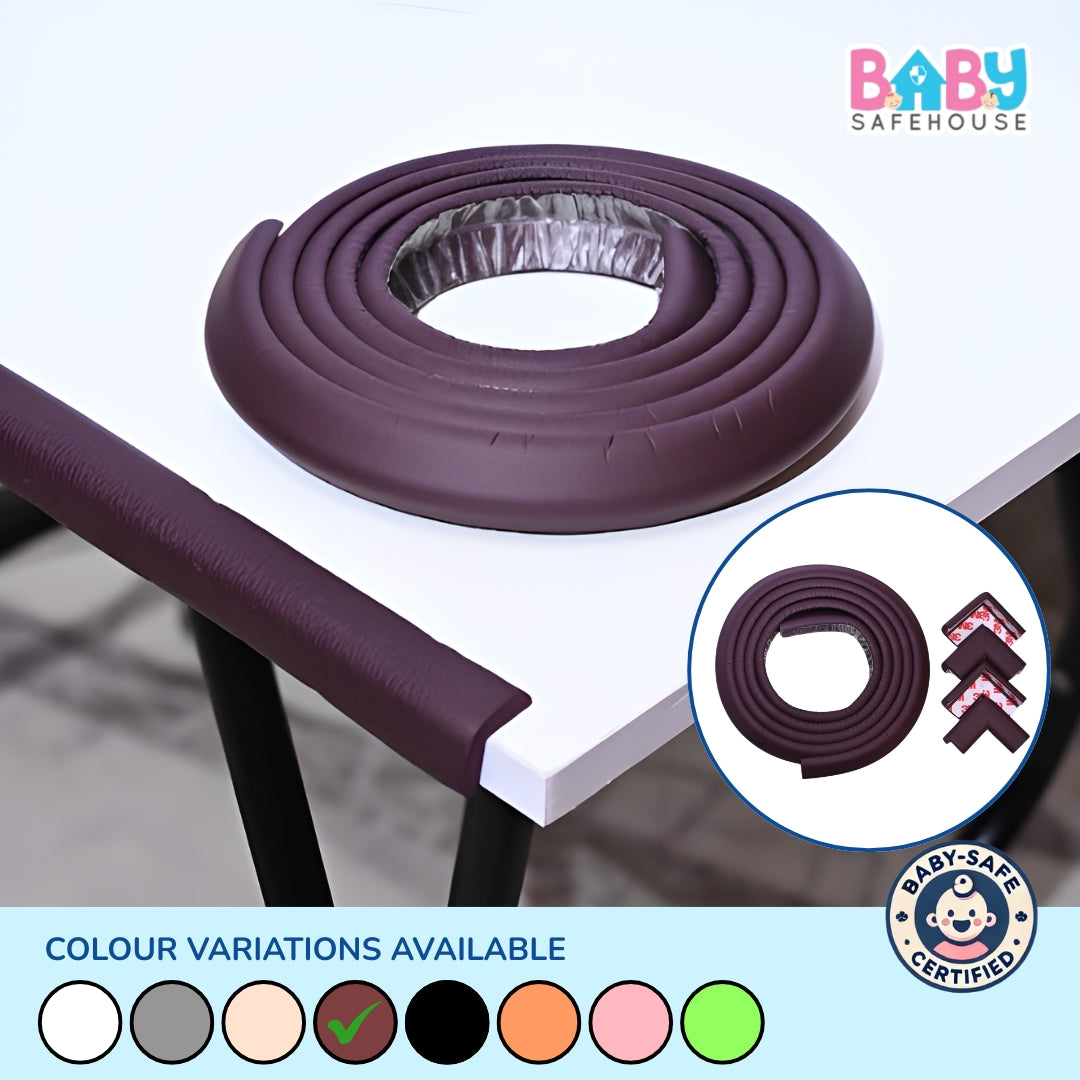
Corner guards for low furniture
-
Floor mats that reduce impact
Knee pads, often overlooked, play a role in encouraging movement by making crawling more comfortable, especially on hard flooring commonly found in Indian homes.
Feeding and Mealtime Safety
Mealtimes are milestones, starting from milk feeds to solids and self-feeding. Each stage introduces new safety considerations.
Helpful baby safety essentials:
-
Silicone feeding bibs that reduce mess and slipping
-
Baby fork and spoon sets designed for early grip
-
Stable feeding chairs with proper restraints
Silicone bibs from brands like BabySafeHouse are shaped to sit comfortably around the neck and catch spills, helping babies focus on learning to eat rather than reacting to discomfort.
Bathroom and Hygiene Safety
Bathrooms combine water, smooth surfaces, and hard fixtures, making them high-risk areas.
Important baby safety essentials include:
Even simple products like toilet locks prevent repeated exposure to germs and accidental lid slamming.
Baby Safety Essentials Aligned with Growth Stages
Newborn to 6 Months
At this stage, safety revolves around handling, sleeping, and hygiene.
Focus areas:
6 to 12 Months
Crawling introduces interaction with the entire home.
Key baby safety essentials:
Toddler Stage
Walking, climbing, and curiosity peak during this phase.
Additional essentials include:
Safety tools evolve as independence grows.
Choosing Baby Safety Essentials That Actually Work
Not all safety products are equally effective. Well-designed baby safety essentials share certain qualities.
What experienced parents look for:
-
Non-toxic, child-safe materials
-
Strong adhesion or locking mechanisms
-
Easy installation and removal
-
Designs that don’t disrupt daily routines
BabySafeHouse offers products which often focus on everyday usability, ensuring parents don’t remove them out of frustration, which is a common reason safety measures fail.
Common Baby Safety Oversights
Even careful parents sometimes underestimate simple risks.
Common oversights include:
-
Assuming supervision alone is enough
-
Installing safety products too late
-
Ignoring finger injuries from doors
-
Using adult utensils or accessories too early
Baby safety essentials work best when they fit naturally into daily life rather than feeling forced.
Frequently Asked Questions
-
When should baby safety essentials be introduced?
Before mobility begins. Early preparation avoids rushed decisions later.
-
Are baby safety essentials only for indoors?
No. Products like anti-lost wrist links and feeding accessories support safety outside the home as well.
-
Do safety products reduce independence?
They support independence by reducing injury risk during exploration.
-
How often should safety setups be reviewed?
Every few months or after major developmental milestones.
Building a Safer Home with Confidence
A safe home is not about restricting movement; it is about creating space for confident exploration. Baby safety essentials quietly support parents through daily routines, from opening doors to feeding meals. When chosen thoughtfully such as those designed with real home use in mind, like BabySafeHouse products, they become part of the home rather than temporary fixes.