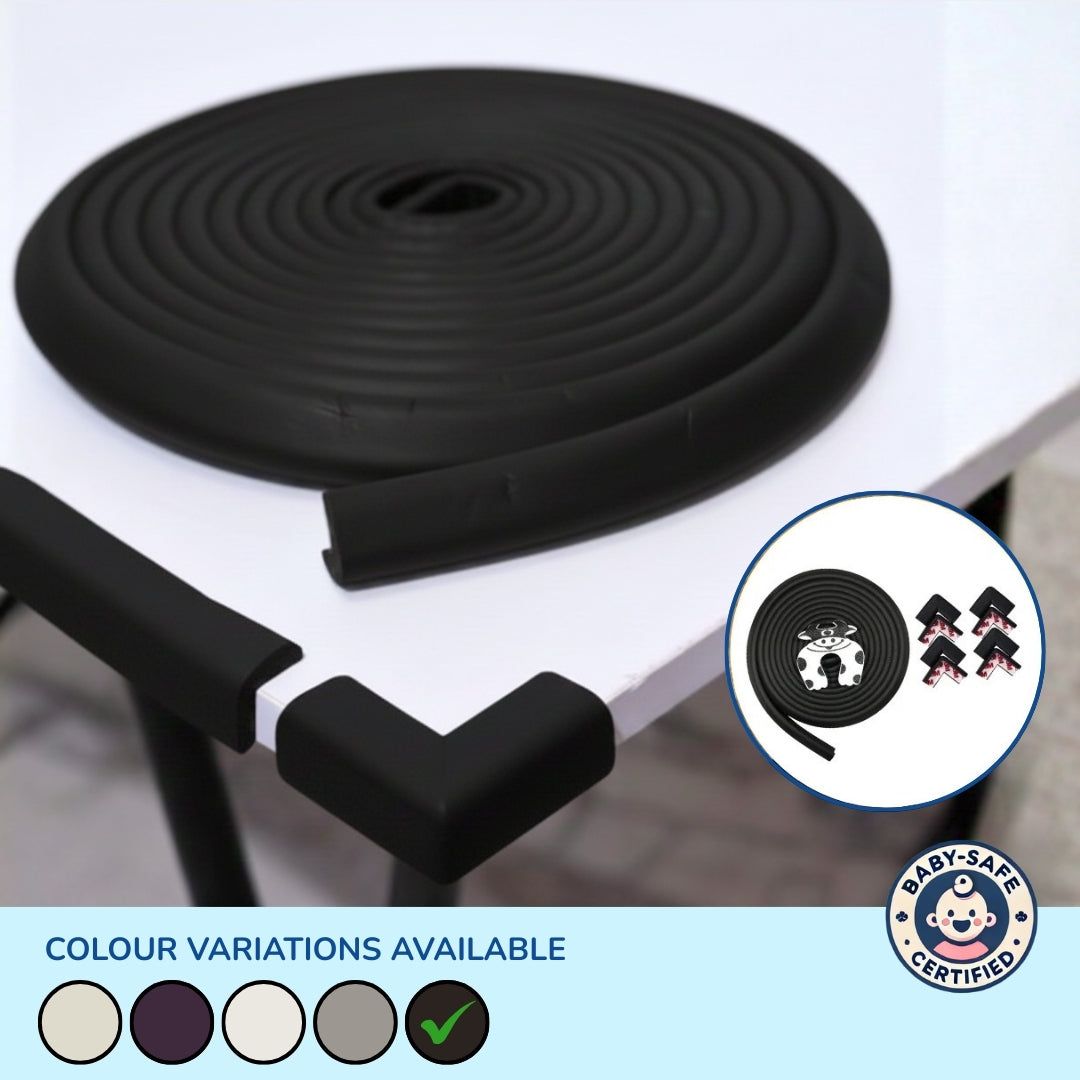
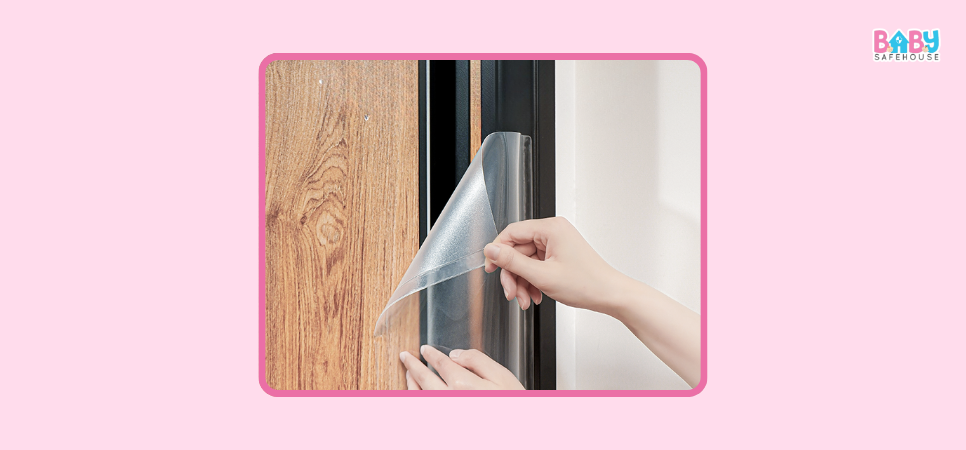
When little ones start exploring their surroundings, even the most harmless-looking spaces can turn risky. Doors, in particular, pose a serious hazard for tiny fingers. A reliable baby door protector can significantly reduce the risk of painful finger injuries while allowing children to move freely and safely. Parents today are increasingly prioritizing childproofing, and choosing the door protector has become an essential step in creating a secure home environment.
A thoughtfully selected baby door protector not only prevents accidents but also offers peace of mind. From foam guards to hinge protectors, there are several options designed to suit different needs and door types.
Why a Baby Door Protector Is Essential
As babies transition from crawling to walking, their curiosity increases. They love opening and closing doors, often without understanding the danger involved.
A baby door protector helps by:
-
Preventing doors from slamming shut
-
Creating a safe gap between the door and frame
-
Reducing the risk of finger pinching injuries
-
Allowing controlled movement of doors
Parents often overlook doors while baby-proofing, focusing more on sharp edges or electrical outlets. However, doors are one of the most common causes of household injuries among toddlers.
Types of Baby Door Protector Options
Different homes require different solutions. Understanding the available types helps in choosing the right baby door protector.
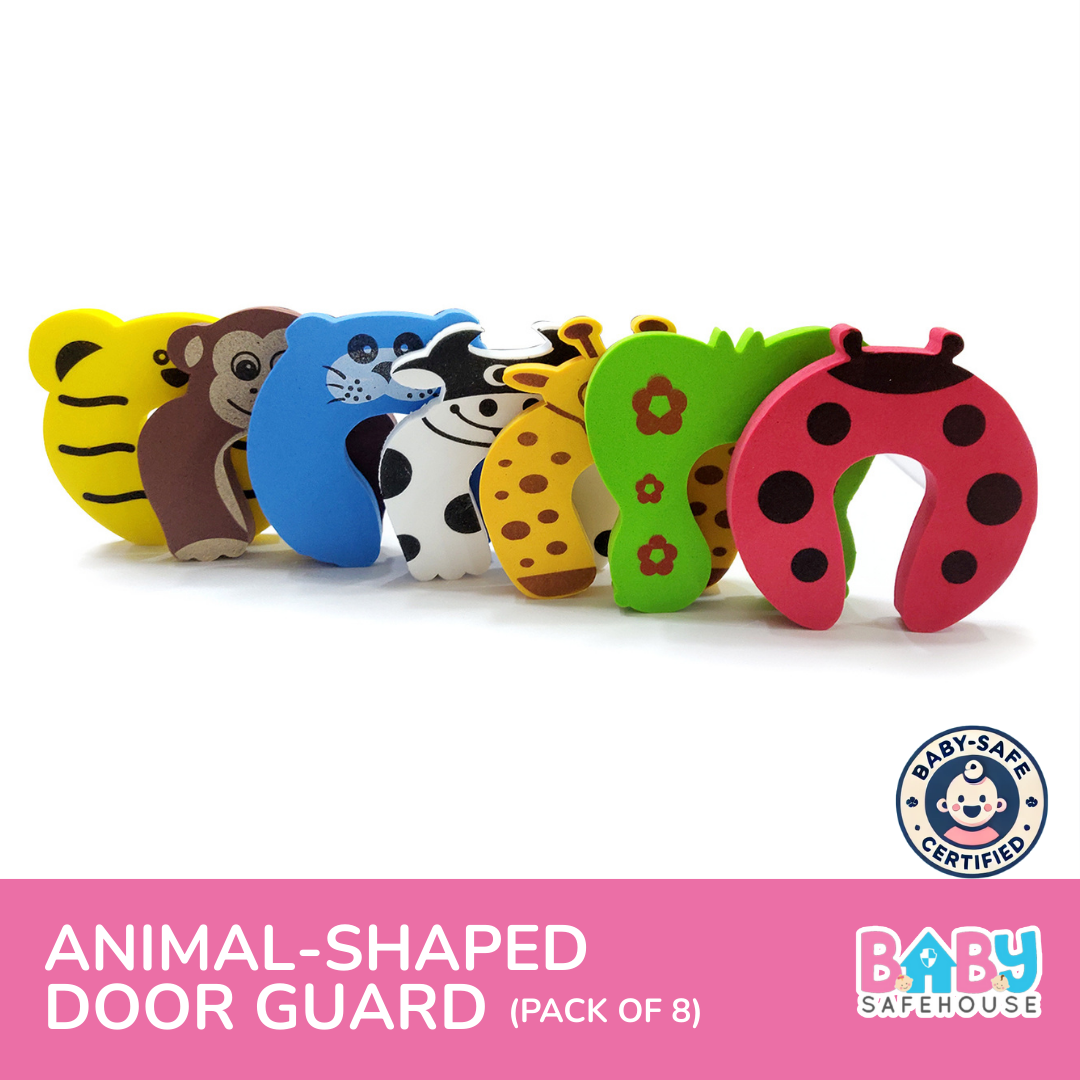
1. Foam Door Stoppers
Foam door stoppers are among the most popular choices. They are soft, lightweight, and easy to install.
Key Features:
These are ideal for bedrooms and play areas where doors are frequently used.
2. Door Hinge Protectors
Hinge protectors cover the gap on the hinge side of the door, which is often the most dangerous spot.
Benefits:
This type of baby door protector is perfect for active toddlers who explore every corner.
3. Door Pinch Guards
Pinch guards are placed at the top or side of the door to prevent it from fully closing.
Advantages:
They are especially useful for families who frequently move or travel.
4. Magnetic Door Holders
Magnetic holders keep doors securely open using a magnetic mechanism.
Why choose them:
This baby door protector option works well in living rooms or main doors where stronger support is needed.
5. Adjustable Door Safety Locks
These locks prevent children from opening or closing doors without supervision.
Highlights:
-
Adds an extra layer of control
-
Prevents unsupervised access
-
Suitable for restricted areas
They are often used alongside other baby door protector solutions for maximum safety.
Factors to Consider Before Buying
Choosing the right baby door protector requires more than just picking the first option available.
Safety and Material
Look for non-toxic, BPA-free materials. Soft foam or durable plastic is ideal for long-term use.
Ease of Installation
Parents prefer tools-free installation. Quick setup saves time and effort.
Compatibility
Ensure the baby door protector fits your door type—wooden, metal, or glass.
Durability
A good baby door protector should withstand daily use without losing effectiveness.
Child Resistance
It should be secure enough that a child cannot easily remove it.
Common Mistakes Parents Make
Even with good intentions, certain mistakes can reduce the effectiveness of a baby door protector.
-
Installing it too high or too low
-
Using only one type of protection
-
Ignoring hinge-side risks
-
Choosing low-quality materials
-
Not checking wear and tear regularly
A complete safety approach often involves combining multiple baby door protector types.
Practical Setup Tips for Maximum Safety
Creating a safer home involves thoughtful placement and usage.
-
Use foam stoppers for frequently used doors
-
Install hinge protectors in high-risk areas
-
Add locks for rooms with hazards
-
Regularly inspect all protectors
-
Replace worn-out products immediately
Consistency in safety checks ensures long-term effectiveness.
How a Baby Door Protector Supports Development
Safety doesn’t mean restriction. A well-installed door protector allows children to explore freely while minimizing risk.
Children learn through interaction. Doors are part of daily movement, and safe exposure helps them understand boundaries. Instead of constant supervision or restriction, parents can rely on smart safety tools.
Frequently Asked Questions
What is the best type of baby door protector?
The best option depends on your needs. Foam stoppers are great for general use, while hinge protectors offer maximum safety even from the hinge side of the door.
Are baby door protectors safe for all door types?
Most baby door protector products are designed to fit standard doors. Always check compatibility before purchasing.
Can I use multiple door protectors together?
Yes, combining different types enhances safety and provides better coverage.
How often should I replace a baby door protector?
Inspect regularly. Replace if you notice wear, loosening, or damage.
Do baby door protectors affect door functionality?
No, most are designed to maintain normal usage while adding safety.
Conclusion
Creating a child-safe home requires attention to details that are often overlooked. A well-chosen baby door protector plays a critical role in preventing finger injuries and ensuring a safer environment for growing children. From foam stoppers to hinge covers, each option offers unique benefits suited to different situations.
Modern parenting is about balancing safety with freedom, and the right baby door protector helps achieve that balance effectively. For parents looking to build a secure and child-friendly home, solutions offered by BabySafeHouse provide reliable and thoughtfully designed options that align with everyday needs.