Bringing a baby home changes how you see every corner of it. The coffee-table edge, the open switchboard and the unlatched almirah suddenly look very different. This baby-proofing checklist for Indian homes walks you through the house room by room, so nothing important slips through the cracks — and so you can tackle the highest-risk spots first instead of feeling overwhelmed.
Indian homes carry their own safety quirks: low switchboards within easy reach, hard marble and granite floors, heavy wooden almirahs, open gas kitchens and buckets of stored water. A generic list misses these, which is why this room-by-room baby-proofing approach works better for how we actually live. The aim isn't to wrap your home in bubble wrap or turn it into a fearful place — it's to remove the few real dangers so your baby can explore freely and you can relax.
Living room
This is where your baby spends the most awake, mobile time, so start here. Get down to floor level and look at the room from your baby's height — you'll spot hazards a standing adult never notices.
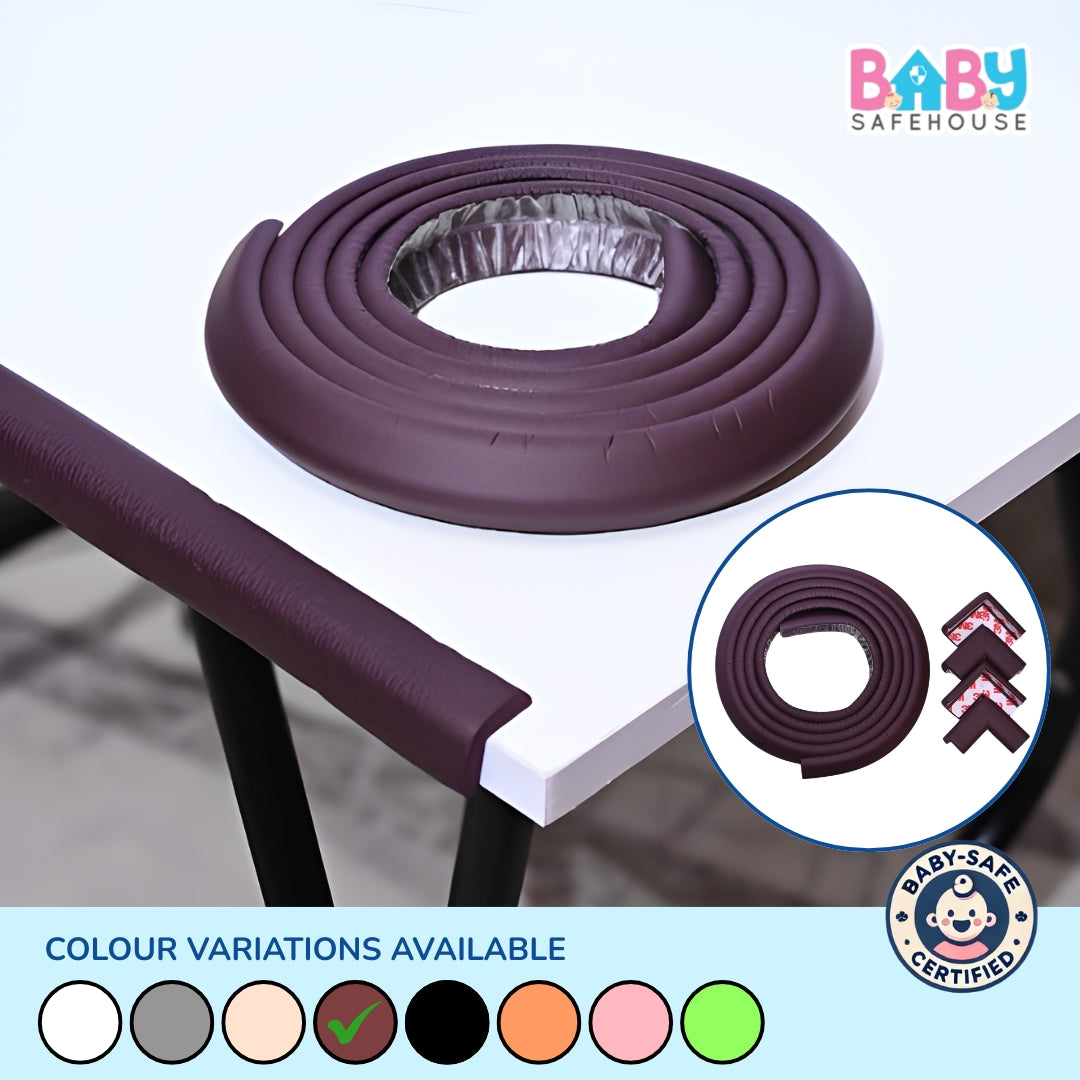
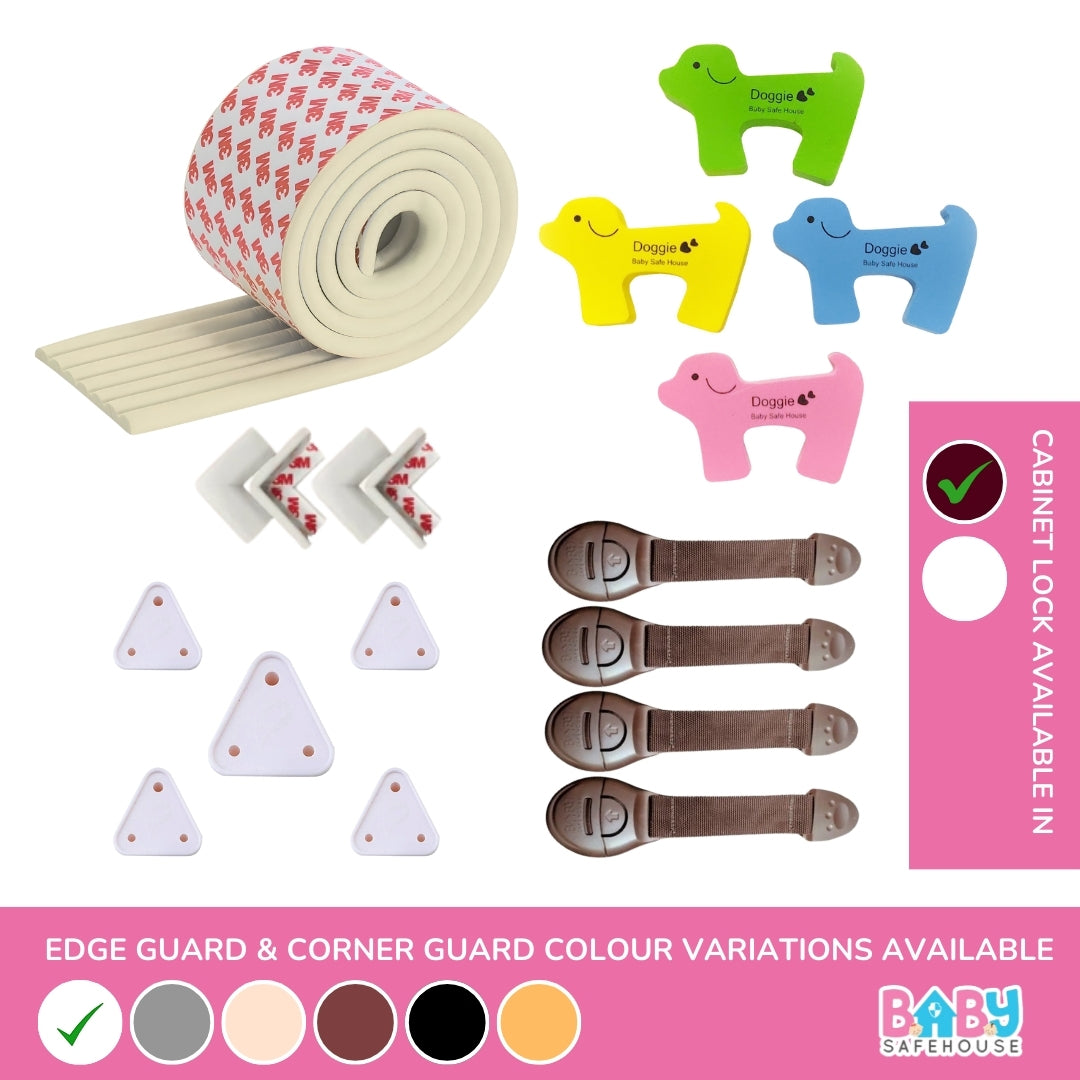
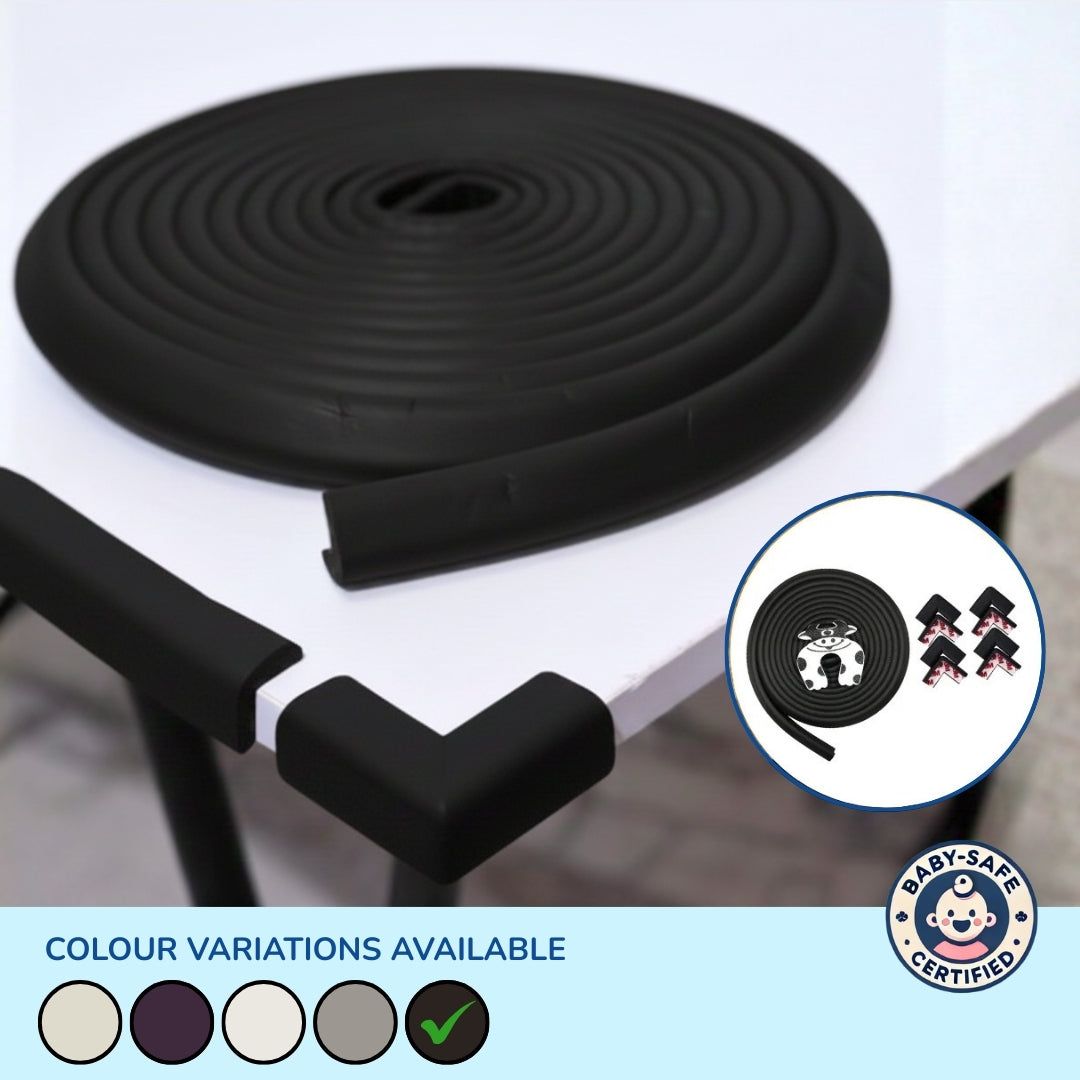
• Sharp edges and corners on centre tables, TV units and shelves — fit edge guards and corner protectors.
• Open wall sockets and power boards — cover every one with socket covers.
• Tippable TVs and tall shelves — anchor them firmly to the wall.
• Trailing wires from lamps and chargers — route and secure them out of reach.
Kitchen
Indian kitchens are busy, open and full of heat — ideally a no-go zone for a crawling baby.
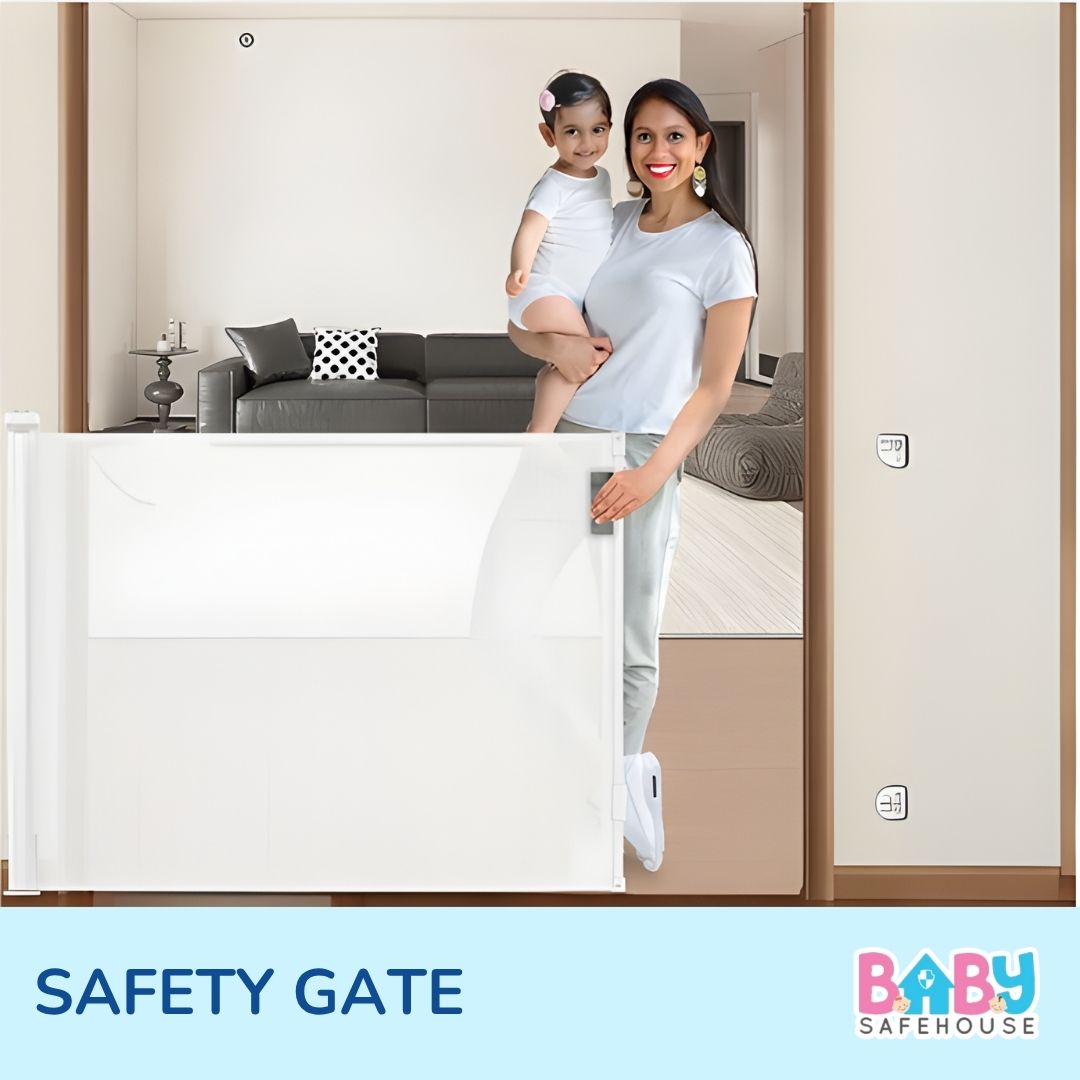
• Block the entrance during cooking hours with a safety gate.
• Lock cabinets holding knives, matches and cleaning chemicals using cabinet locks.
• Turn pan handles inward and keep hot tea, oil and food away from counter edges.
• Empty buckets and large vessels of water immediately after use.
Bathroom
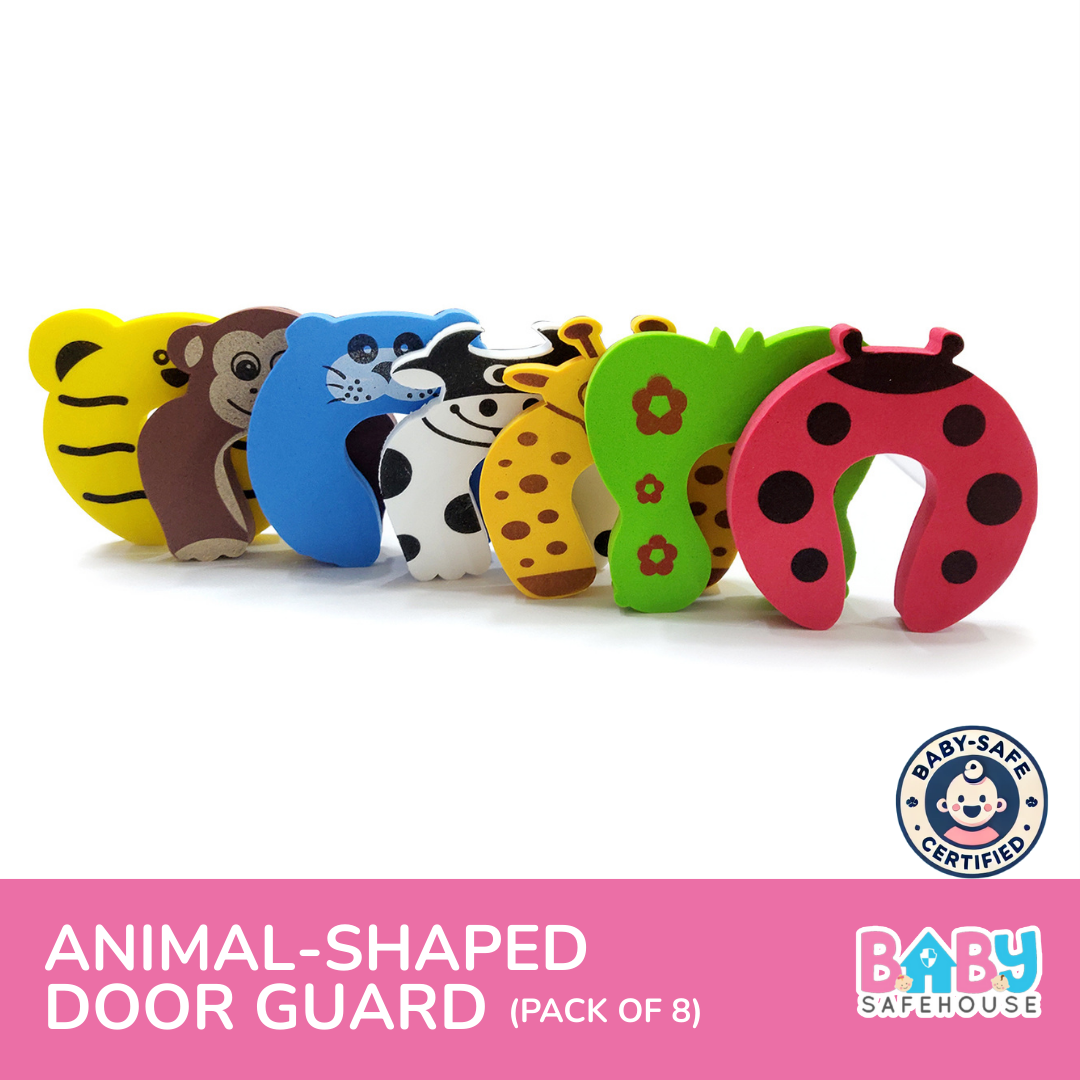
• Keep the door secured; a door stopper prevents painful finger-pinch on heavy doors.
• Never leave a filled bucket or tub unattended — a top-heavy toddler can topple in headfirst.
• Use anti-slip mats and always run cold water before hot to avoid scalds.
Bedroom & nursery
• Keep the cot free of pillows, soft toys and loose bedding for young babies.
• Anchor the wardrobe or almirah and store heavy items in the lower drawers.
• Cover bedside sockets and tuck away charger cables.
• Pad sharp bed frame and side-table corners.
Balcony & windows
• Fit full-height balcony safety nets over wide railing gaps.
• Move chairs, stools and plant pots away from railings — anything a toddler can climb.
• Use window restrictors and keep a gate at the balcony door during the mobile phase.
Stairs
• Gate both the top and the bottom; the top gate must be securely mounted, never a loose pressure-fit.
• Net wide banister gaps and add non-slip strips to slippery stone edges.
Pooja room & other spots
• Keep diyas, matches, lamp oil and incense well out of reach.
• Secure low drawers and store small décor items away, as they are choking hazards.
Everyday habits that back up the products
Safety products do the heavy lifting, but a few simple habits close the gaps between them. Together they make your home genuinely safe rather than safe-on-paper.
• Do a quick floor sweep each day for coins, buttons, caps and small toys — anything that fits through a toilet-paper roll can choke a baby.
• Keep hot drinks, medicines and cleaning bottles off low tables and counters.
• Never leave a baby unattended near water, even for a moment, and even in shallow water.
• Re-check the house every couple of months — what was safe at six months often isn't at twelve, when your baby can stand, climb and reach higher.
Your quick-win priority order
If it all feels like a lot, work in this order:
1. Stairs and balcony — the highest fall risk.
2. Kitchen and exposed sockets.
3. Sharp edges and corners.
4. Cabinets, drawers and loose wires.
A Safety Starter Combo covers most of these basics in a single purchase, so you can clear the essentials quickly and add room-specific products as your baby grows.
Frequently asked questions
When should I start baby-proofing?
Before your baby becomes mobile — usually around 5 to 6 months. Babies start crawling sooner than most parents expect, so proofing early means you are preventing accidents rather than reacting to them.
Can I baby-proof a rented home without damaging the walls?
Yes. Most essentials — adhesive edge guards, clip-on cabinet locks, socket covers and pressure-mounted or retractable gates — need no drilling and leave no marks.
Ready to start? Download our printable checklist and explore the Safety Starter Combo to cover your home's essentials in one go.