Common Baby Safety Mistakes Indian Parents Make (and How to Avoid Them)
Becoming a parent brings joy, fear, responsibility, and thousands of “Am I doing this right?” moments. While Indian households follow many cultural practices passed down through generations, not all of them align with modern child-safety standards. That’s why it’s important to understand the common baby safety mistakes parents unknowingly make and how to fix them before they turn risky.
This guide breaks down these mistakes in simple, practical steps so every home becomes a safer space for little explorers.
Why Baby Safety Needs More Attention Than Ever
Homes today are packed with electronics, sharp edges, and fast-moving routines. Babies, on the other hand, are endlessly curious and quick to reach new milestones. If parents aren’t prepared, even simple oversights can lead to avoidable accidents.
Experts say that most baby-related injuries happen inside the home, not outdoors making awareness the first line of protection.
1. Ignoring Baby-Proofing Until “They Start Crawling”
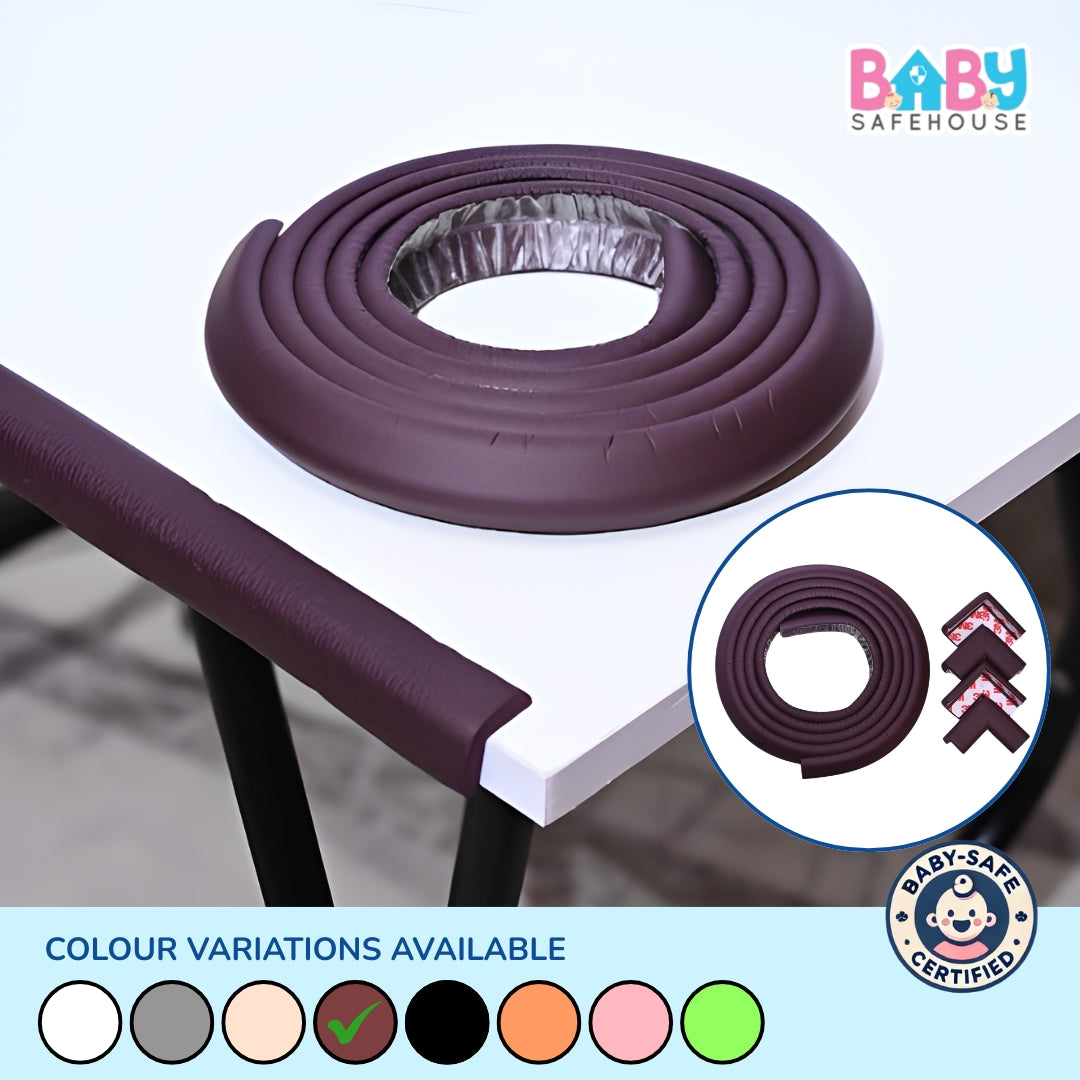
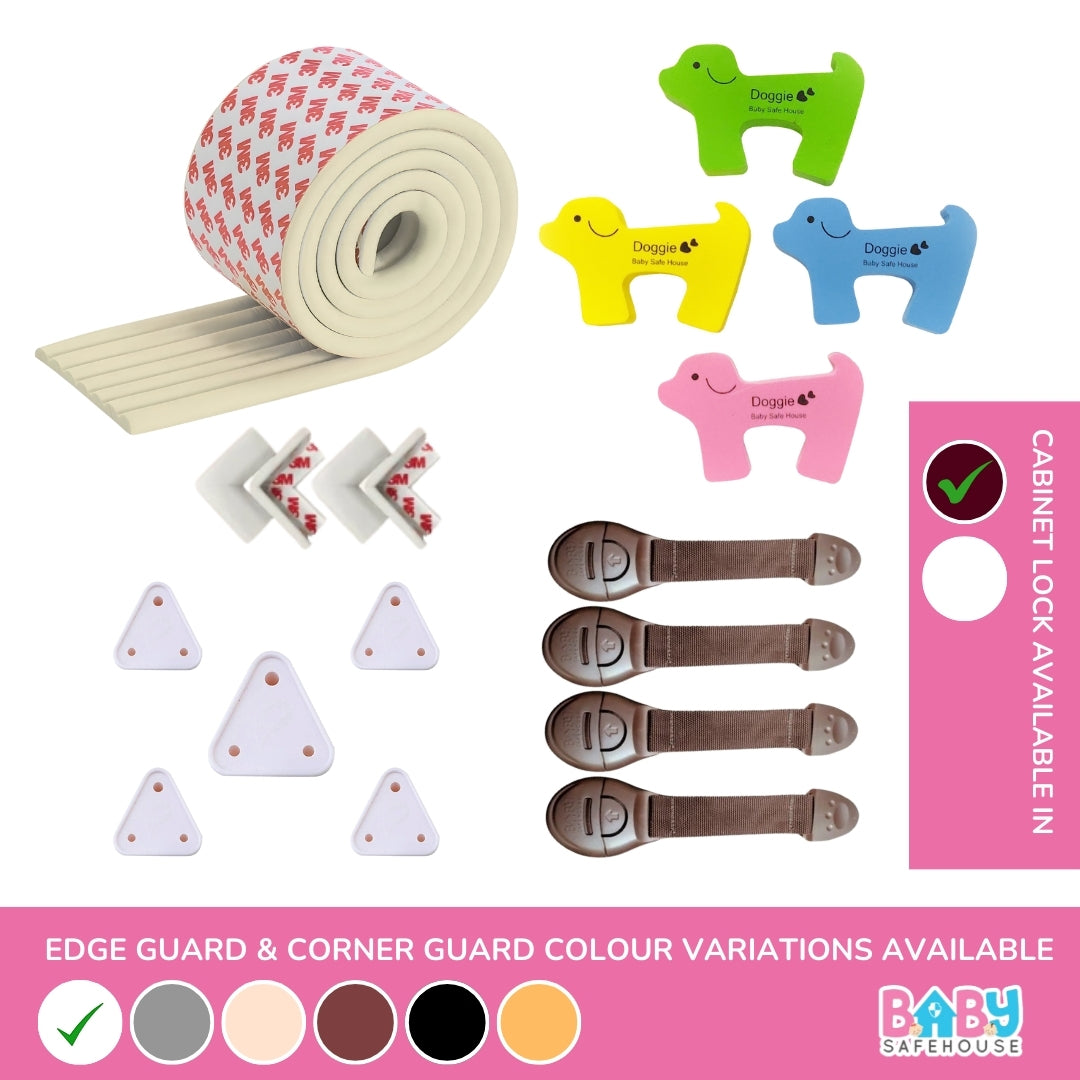
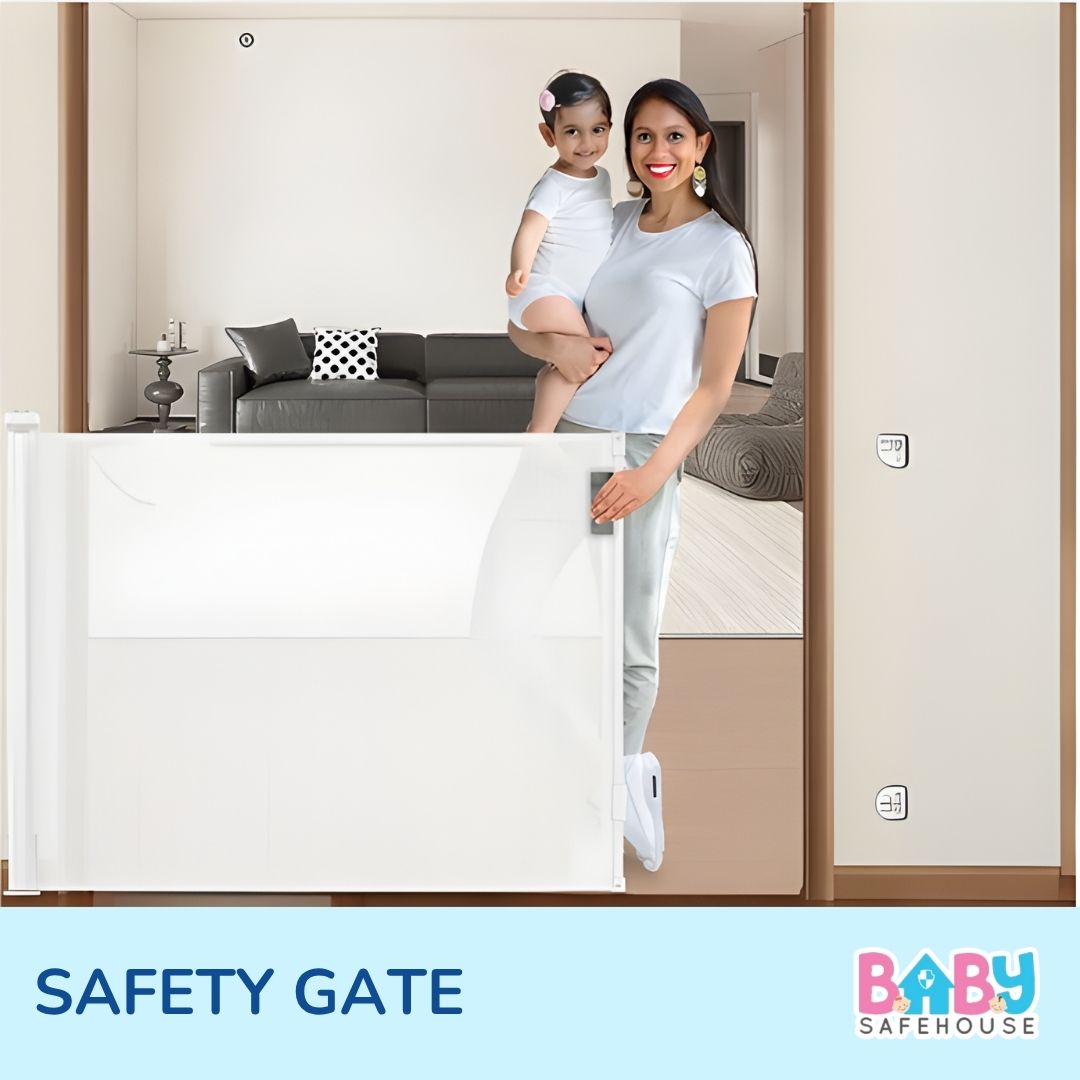
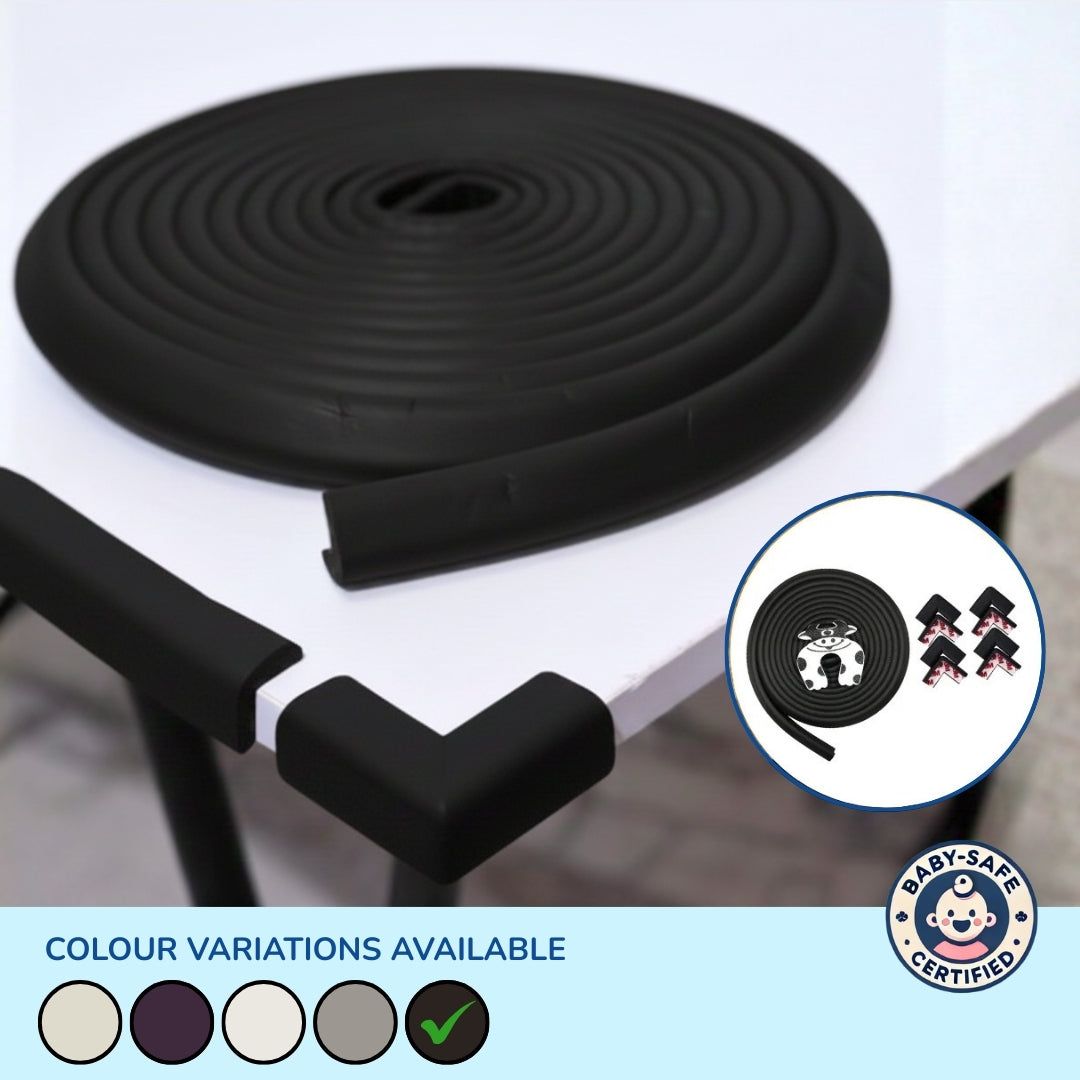
Many parents delay baby-proofing because they believe it’s needed only once the baby starts moving. But infants learn faster than adults expect. One day they’re rolling, the next they’re reaching for objects.
What to do instead:
A home prepared early removes the chance of last-minute panic.
2. Using Loose Bedding, Blankets, or Soft Toys in the Crib
One of the common baby safety mistakes Indian parents make is placing pillows, bolsters, soft toys, or thick blankets in the crib to make it “comfortable.” Unfortunately, these increase the risk of suffocation.
Safer alternatives:
- Use a firm mattress with a fitted sheet.
- Avoid loose bedding for babies under 12 months.
- Dress the baby in a fitted sleep sack if it’s cold.
-
Keep the crib empty — no toys, no pillows.
Sleep safety isn’t about aesthetics; it’s about reducing risks.
3. Carrying Babies on Two-Wheelers Without Proper Support
It’s a common sight in India - a parent holding a baby on a scooter. While culturally accepted, it’s extremely unsafe.
Better choices:
- Avoid two-wheelers with a baby altogether.
- If absolutely unavoidable, use a properly strapped baby carrier and ensure the adult wears a helmet.
-
Prefer cabs or cars with an infant car seat.
A small compromise on convenience can prevent major harm.
4. Skipping Car Seats Because “It’s Just a Short Distance”
Many Indian parents think car seats are optional. But sudden breaks, bumps, or even slow-speed impacts can cause serious injury to an unrestrained baby.
How to ensure car safety:
- Always use a rear-facing infant car seat for babies under 2 years.
- Install the seat correctly as per the manufacturer’s guide.
- Never hold a baby in your lap during travel.
-
Avoid using oversized jackets or blankets inside the harness.
Car safety is non-negotiable - whether the trip is 2 km or 20 km.
5. Applying Home Remedies Without Understanding Risks
From oil massages to herbal mixtures, Indian families rely heavily on traditional remedies. While some are helpful, others can cause allergic reactions, infections, or skin issues.
Safe approach:
- Check with a pediatrician before trying new remedies.
- Avoid applying talcum powder near the baby’s nose.
- Be cautious with kajal, as it may contain harmful particles.
-
Test any oil on a small patch of skin first.
Traditions matter — but health and safety matter more.
6. Leaving Small Items Within Reach
Coins, buttons, safety pins, pen caps, and even certain toys pose choking risks. Babies explore with their hands — and their mouths.
Prevent choking hazards:
- Keep all small objects out of reach (preferably on high shelves).
- Regularly scan the floor and sofa for dropped items.
- Avoid giving toys with detachable small parts.
- Cut food into tiny, manageable pieces during feeding.
A few extra seconds of checking can avoid emergency situations.
7. Not Supervising Bath Time
Another one of the common baby safety mistakes is assuming that babies are safe in shallow water. Even one inch of water can be dangerous if the baby slips.
Keep bath time safe:
- Never leave the baby unattended, even for a few seconds.
-
Keep soaps, towels, and clothes within arm’s reach.
- Test the water temperature before placing the baby in.
-
Use a non-slip mat in the bathtub or bucket area.
Supervision is the strongest safety tool.
8. Using Walkers for Faster Development
Many Indian parents believe walkers help babies walk sooner. In reality, they increase fall risk and delay natural muscle development.
Healthier options:
- Encourage floor play.
- Use stationary activity centers instead of walkers.
-
Let babies pull themselves up using safe furniture.
Natural development is always safer and healthier.
FAQ Section
1. What are the most common baby safety mistakes Indian parents make?
Delaying baby-proofing, unsafe crib setup, no car seat usage, unsafe home remedies, and leaving small items near babies are some of the most common mistakes.
2. When should I start baby-proofing my home?
Start during the last trimester or before the baby arrives but if not possible, do it before the baby is 6 months old. Babies become active faster than expected.
3. Is using a walker safe for babies?
No. Walkers increase accident risk and delay natural muscle development. Pediatricians strongly advise against them.
4. Are traditional Indian home remedies safe for babies?
Some are, some aren’t. Always check with your pediatrician before trying anything new.
5. Why is crib safety important?
Loose bedding, pillows, or toys can increase suffocation risks. A firm, minimal crib setup ensures safe sleep.
Conclusion
Baby safety doesn’t require expensive gadgets, only awareness, commitment, and timely action. By avoiding the common baby safety mistakes listed above, parents can create a safer environment that supports healthy growth and protects their little ones from preventable accidents. Consistent habits, early baby-proofing, and mindful supervision go a long way.
For parents looking for reliable child-safety solutions, BabySafeHouse continues to help families build safer, smarter homes for their babies.