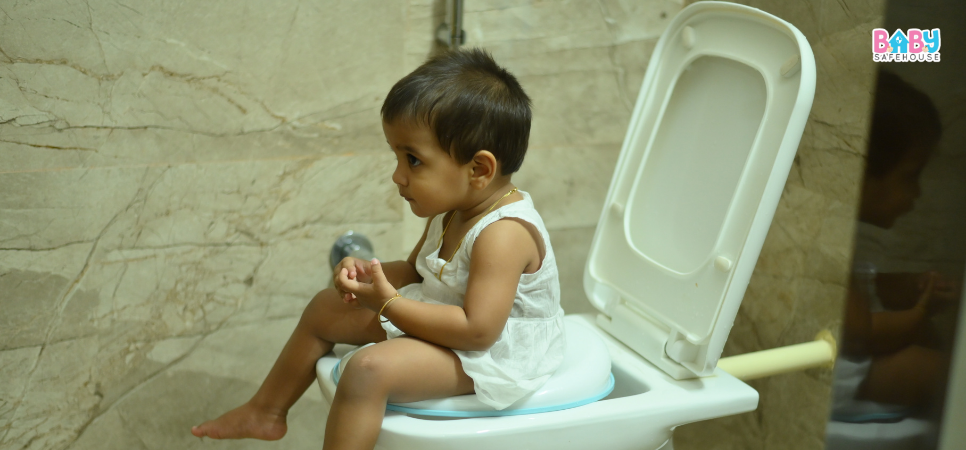
Indian bathrooms are often compact, wet, and filled with hard surfaces making them one of the most accident-prone areas of the home for young children. From slippery floors to sharp edges and easily accessible taps, the risks are real and often underestimated. That’s why baby safety bathroom planning is not about expensive renovations but about making small, thoughtful changes that dramatically reduce the chance of injury.
In Indian households, bathrooms are used frequently throughout the day and often shared by all family members. Babies and toddlers, driven by curiosity and unsteady movement, are especially vulnerable here. Understanding the risks and addressing them early can prevent accidents that otherwise happen in seconds.
Why Bathrooms Are High-Risk Zones for Babies
Bathrooms combine three major hazards: water, hard surfaces, and limited space. For babies and toddlers who are still developing balance and coordination, this combination can quickly turn dangerous.
Common reasons bathrooms pose higher risk include:
-
Constantly wet or damp floors
-
Smooth tiles without grip
-
Low-height buckets and tubs filled with water
-
Easily reachable taps and toiletries
-
Sharp corners on basins and shelves
In Indian homes, bucket bathing and floor-level fixtures increase the likelihood of slips and accidental falls, making baby safety bathroom precautions essential rather than optional.
Slips and Falls: The Most Common Bathroom Accident
Slipping is the leading cause of bathroom injuries among young children. Even a thin layer of water can make tiles extremely slippery.
Simple changes that reduce slip risks:
-
Use anti-skid mats near buckets, showers, and washbasins
-
Choose rubber-backed mats that stay in place
-
Keep floors as dry as possible after adult use
-
Avoid loose rugs that can fold or slide
A non-slip surface provides immediate stability for toddlers who are learning to walk and significantly lowers fall-related injuries.
Water Safety: Preventing Silent Dangers
Drowning risks are often overlooked because they don’t require deep water. Buckets, mugs, and tubs can be dangerous if left unattended.
Key water safety measures include:
-
Always empty buckets immediately after use
-
Store buckets upside down
-
Never leave a baby unattended, even for a moment
-
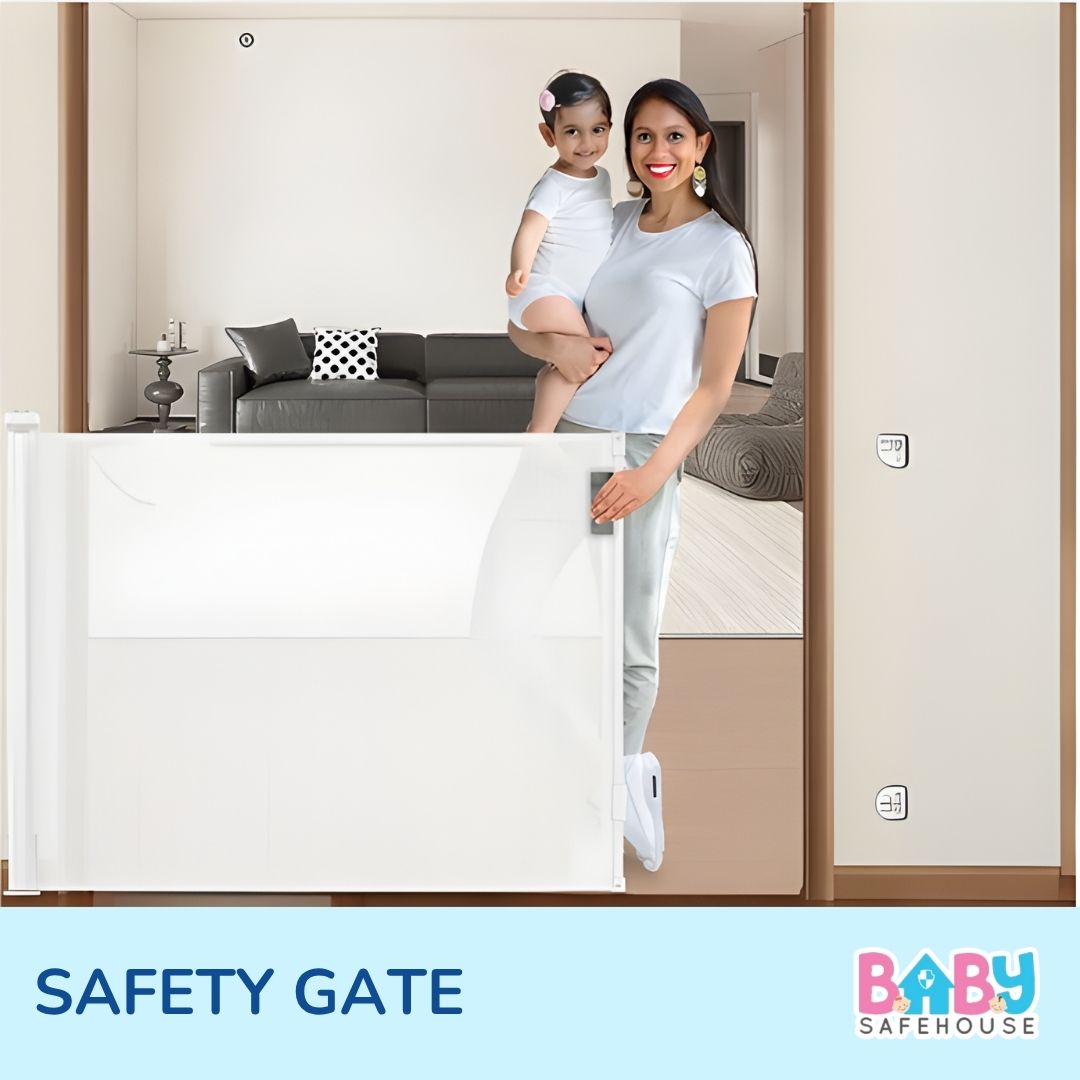
Keep bathroom doors closed when not in use
For families practicing baby safety bathroom habits, supervision and water discipline are non-negotiable essentials.
Sharp Edges and Hard Fixtures
Bathroom fixtures like ceramic basins, shelves, and WC edges are usually installed at adult height but babies often crawl or stumble at floor level, putting their heads at risk.
Effective ways to reduce impact injuries:
-
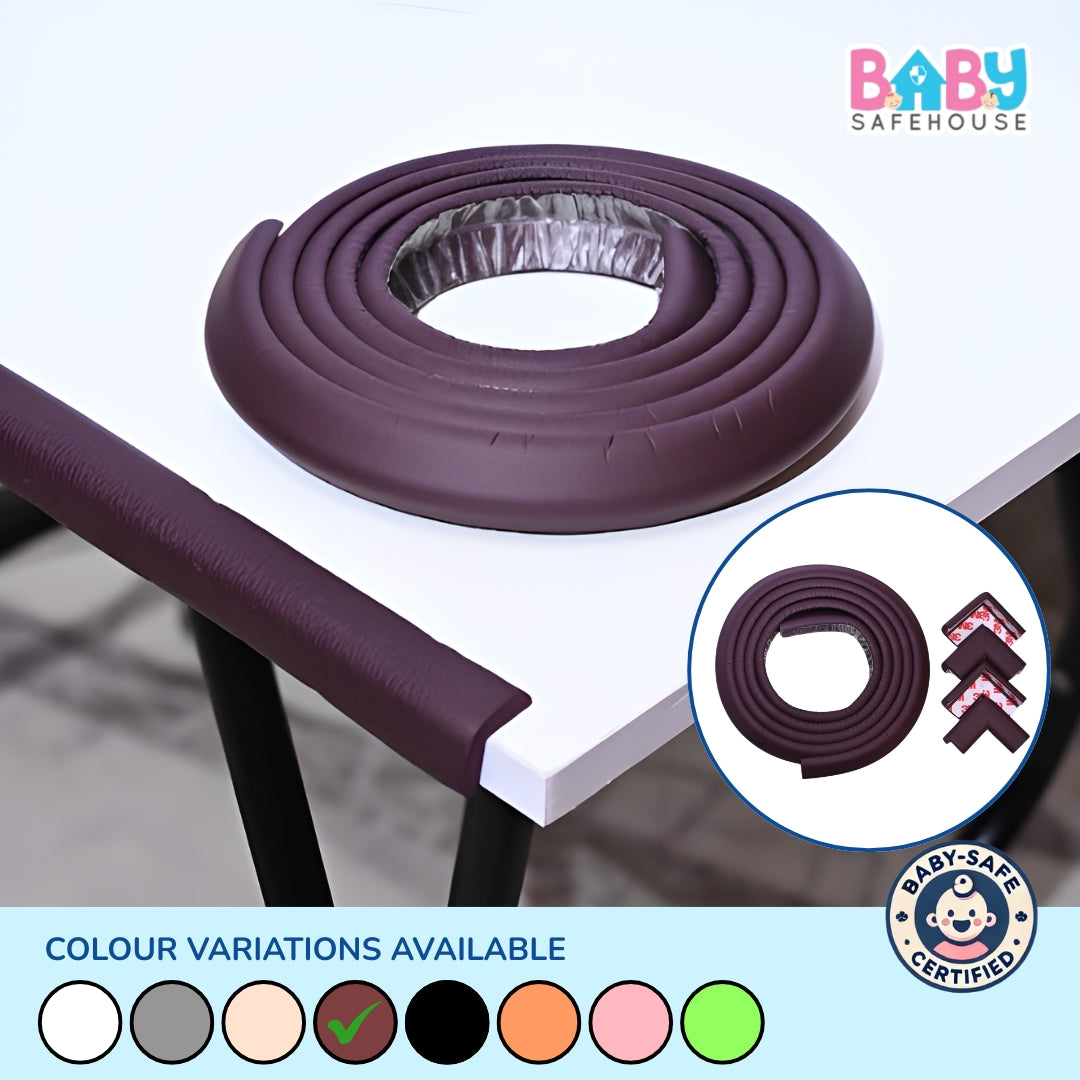
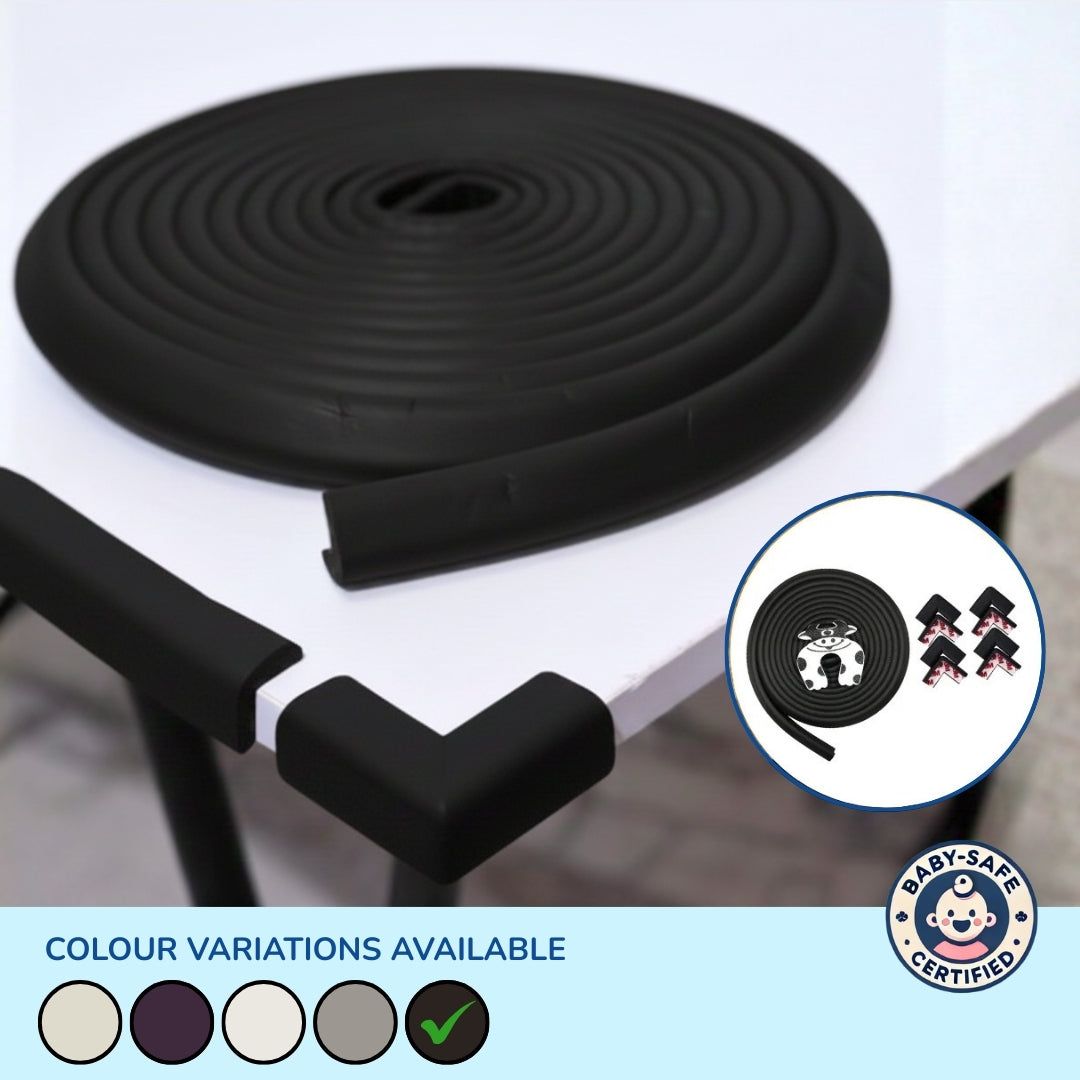
Add soft corner protectors on sharp edges
-
Use cushioned guards on basin corners
-
Avoid low-mounted metal racks with pointed ends
These small additions act as shock absorbers and help prevent serious head injuries during slips or sudden loss of balance.
Tap and Temperature Safety
Hot water burns are another hidden danger, especially in homes with geysers. Babies have sensitive skin that burns much faster than adult skin.
To improve safety around taps:
-
Test water temperature before bathing a child
-
Avoid mixing hot water while the baby is in the bath
-
Use tap covers to prevent bumps and accidental opening
-
Teach older toddlers to avoid touching taps
Temperature awareness plays a critical role in overall baby safety bathroom planning.
Toiletries, Cleaners, and Storage Risks
Bathrooms often double as storage spaces for cleaning chemicals, medicines, and toiletries. Bright packaging can attract curious toddlers.
Safer storage habits include:
-
Keep cleaning liquids in locked cabinets
-
Store medicines well above child reach
-
Avoid keeping small objects on open shelves
-
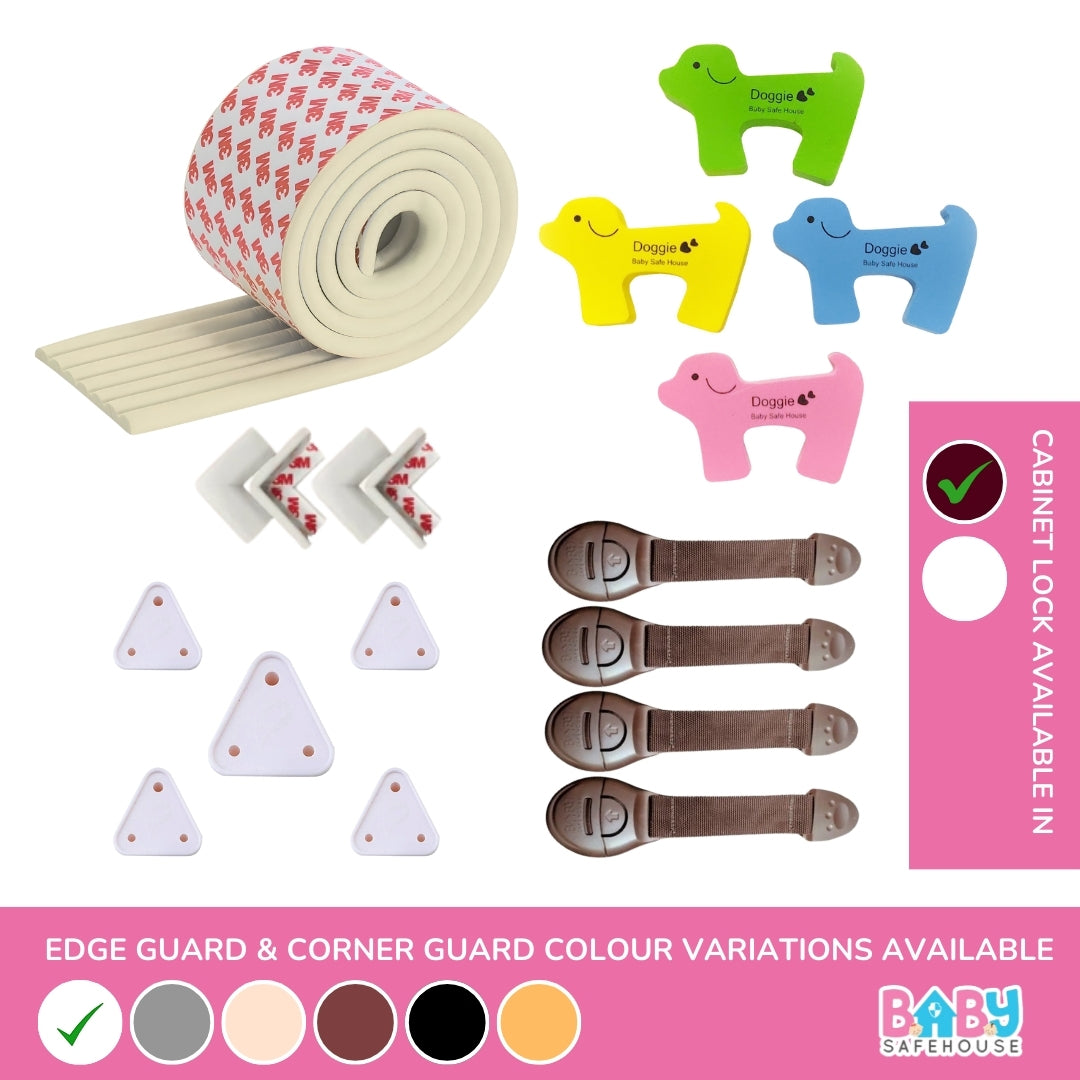
Use childproof cabinet locks
Reducing access to harmful substances is just as important as preventing physical injuries.
Door and Finger Protection
Bathroom doors are heavy and frequently opened or closed. For babies, door gaps can lead to painful finger injuries.
Preventive steps:
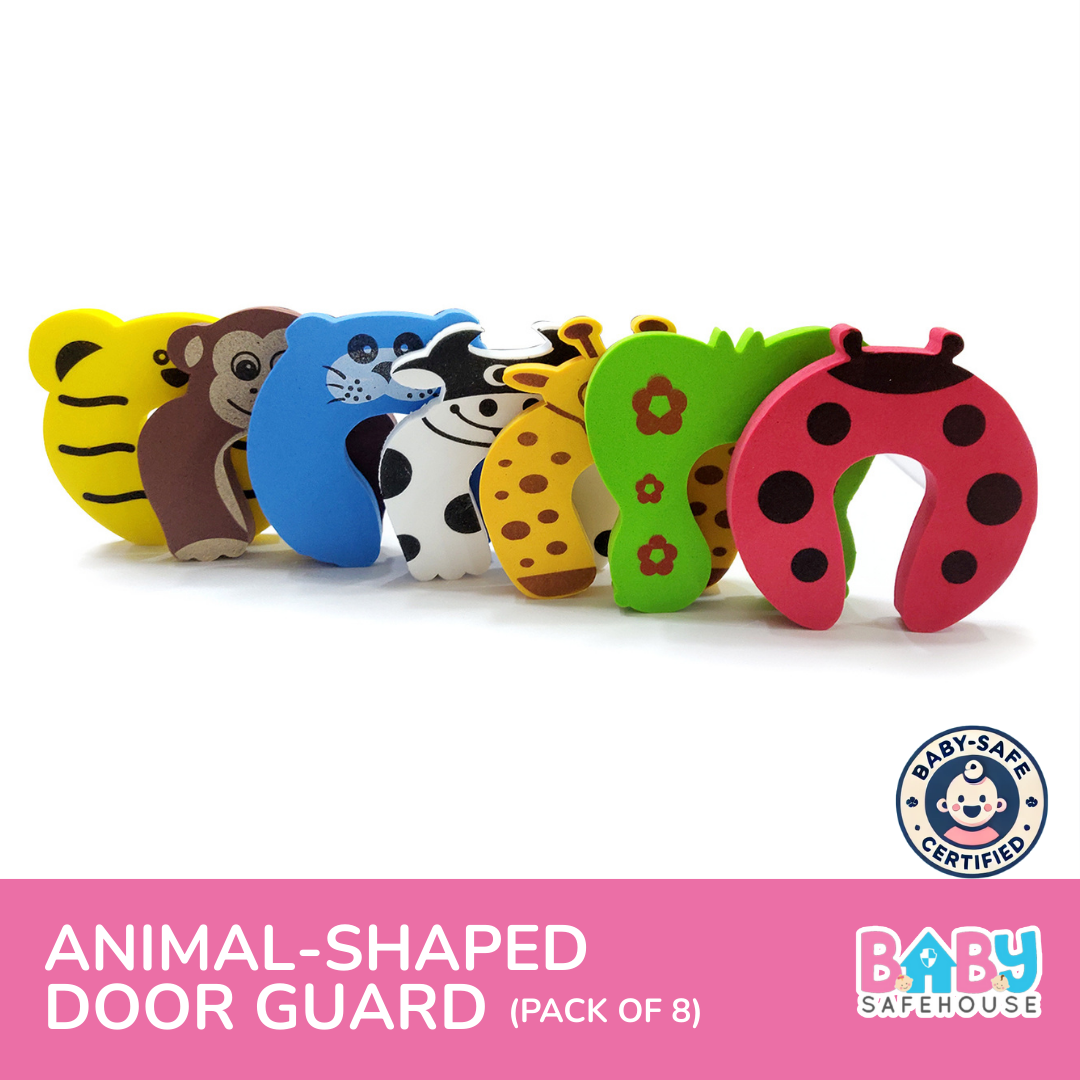
These simple additions protect delicate fingers and reduce everyday bathroom risks.
Building a Daily Bathroom Safety Routine
Baby-proofing is not a one-time task, it's an ongoing habit. A consistent routine ensures safety measures are always in place.
A practical checklist includes:
-
Drying the floor after each use
-
Emptying and storing buckets immediately
-
Checking mats and guards weekly
-
Supervising babies at all times
Over time, these habits become second nature and significantly reduce accident risks.
Frequently Asked Questions
At what age should bathroom safety measures start?
Bathroom safety should begin as soon as babies start rolling or crawling, usually around 4–6 months.
Are anti-skid mats enough for baby safety bathroom needs?
They help with slips but should be combined with supervision, water control, and corner protection.
Is constant supervision really necessary?
Yes. Most bathroom accidents happen in seconds, even when safety products are installed.
Can bathroom safety be managed in small Indian homes?
Absolutely. Most safety improvements require minimal space and simple adjustments.
Conclusion
Bathroom accidents are common, but they are also highly preventable. With thoughtful planning, consistent habits, and small protective additions, Indian bathrooms can be made significantly safer for babies and toddlers. Focusing on slips, water exposure, sharp edges, and storage risks creates a safer environment without major renovations.
Parents who take proactive steps toward baby safety bathroom planning not only reduce injury risks but also gain peace of mind during everyday routines. Brands like BabySafeHouse continue to support families by encouraging awareness and practical safety solutions that fit seamlessly into Indian homes.