When little ones begin exploring the world on all fours, parents often worry about bumps, bruises, and discomfort. This is where baby knee pads come into the picture. Designed to protect delicate skin during early movement stages, baby knee pads have become a popular parenting essential. But do they actually work, or are they just another trend? Understanding their real benefits, practical uses, and how to choose the right pair can help parents make an informed decision.
What Are Baby Knee Pads and Why Are They Used?
Baby knee pads are soft, stretchable coverings worn over a baby’s knees to provide cushioning and protection. During the early mobility phase, babies spend a significant amount of time on hard or uneven surfaces like tiles, wooden floors, or carpets.
They are commonly used to:
-
Prevent skin irritation and redness
-
Reduce impact from friction
-
Provide extra grip while moving
-
Keep knees warm and protected
For parents who notice their child hesitating to move due to discomfort, baby knee pads can offer a simple yet effective solution.
Do Baby Knee Pads Really Work?
The effectiveness of baby knee pads depends on how and where they are used. From a practical standpoint, they do provide a noticeable layer of comfort and protection, especially on hard flooring.
Key Benefits of Baby Knee Pads
1. Protection from Scrapes and Bruises
Babies often move across surfaces that can be rough or cold. Baby knee pads act as a buffer, reducing the chances of minor injuries.
2. Improved Comfort
Continuous movement can irritate sensitive skin. Soft padding ensures babies stay comfortable while exploring.
3. Enhanced Grip
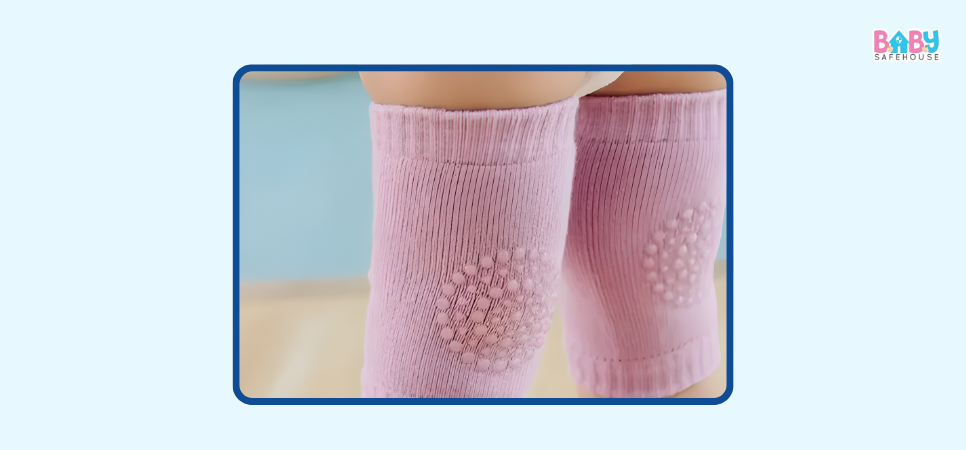
Many baby knee pads come with anti-slip features. This helps babies maintain balance and confidence as they move.
4. Temperature Regulation
Cold floors can make movement uncomfortable. Baby knee pads help keep knees warm, especially during colder months.
5. Encouragement for Movement
When discomfort is reduced, babies are more likely to stay active and engaged in exploration.
When Should You Use Baby Knee Pads?
Not every baby may need baby knee pads, but they are particularly useful in certain situations:
-
Homes with marble, tile, or hardwood flooring
-
Babies showing signs of skin redness or irritation
-
Early movers who are still adjusting to coordinated movement
-
Outdoor play on slightly rough surfaces
Using baby knee pads during these scenarios can make movement smoother and more enjoyable for both babies and parents
Are There Any Downsides?
While baby knee pads offer several advantages, it’s important to use them correctly.
Potential Limitations
-
Overuse may reduce natural skin toughening
-
Poor-quality materials can cause sweating or discomfort
-
Incorrect sizing may restrict movement
The key is balance. Baby knee pads should support movement, not replace natural adaptation.
How to Choose the Right Baby Knee Pads
Selecting the right pair of baby knee pads makes a big difference in effectiveness and comfort.
1. Material Matters
Look for breathable fabrics like cotton blends. Soft and stretchable materials ensure comfort during long periods of use.
2. Proper Fit
A snug but not tight fit is essential. Loose baby knee pads may slip, while tight ones can leave marks.
3. Anti-Slip Design
Grip patterns on the knee area improve stability and reduce slipping.
4. Easy to Clean
Babies can get messy quickly. Choose baby knee pads that are machine washable and durable.
5. Skin-Friendly Fabric
Hypoallergenic materials reduce the risk of rashes or irritation.
Tips for Using Baby Knee Pads Effectively
To get the best results from baby knee pads, follow these practical tips:
-
Use them during active movement time only
-
Remove them when not needed to allow natural skin adaptation
-
Wash regularly to maintain hygiene
-
Check for signs of tightness or irritation
-
Rotate between multiple pairs for convenience
Using baby knee pads thoughtfully ensures both comfort and safety.
Common Myths About Baby Knee Pads
Myth 1: They Delay Natural Development
There is no strong evidence suggesting that baby knee pads slow down development. Babies continue to build strength and coordination naturally.
Myth 2: They Are Only for Safety
While protection is a major benefit, baby knee pads also enhance comfort and confidence during movement.
Myth 3: All Babies Need Them
Not every child requires baby knee pads. Their usefulness depends on the environment and individual needs.
Baby Knee Pads vs Natural Adaptation
A common question parents have is whether babies should adapt naturally instead of using baby knee pads.
The answer lies in balance. Natural adaptation helps build resilience, but excessive discomfort can discourage movement. Baby knee pads serve as a support tool, not a replacement for natural development.
Buying Guide: What Parents Should Prioritize
When purchasing baby knee pads, keep these factors in mind:
High-quality baby knee pads ensure long-term usability and better protection.
FAQs
Are baby knee pads safe for daily use?
Yes, baby knee pads are safe when used for limited periods during active movement.
Can baby knee pads prevent injuries completely?
They reduce the risk of minor scrapes but cannot prevent all injuries.
At what age should babies start using knee pads?
Baby knee pads can be used when babies begin exploring movement on the floor.
Do baby knee pads help with grip?
Yes, many baby knee pads include anti-slip features that improve stability.
How many pairs should parents buy?
Having 2–3 pairs of baby knee pads is practical for regular rotation and cleaning.
Conclusion
Baby knee pads are not just a trend; they serve a real purpose when used correctly. They provide protection, enhance comfort, and support early movement without interfering with natural development. While they are not essential for every child, they can be highly beneficial in homes with hard flooring or for babies with sensitive skin.
The key lies in choosing the right quality, using them in moderation, and ensuring they complement a child’s natural growth. For parents looking to make a thoughtful choice, trusted platforms like BabySafeHouse offer reliable options that balance safety, comfort, and practicality.